General Hospital Star Chris McKenna Opens Up About Bipolar Disorder and Mental Health Journey
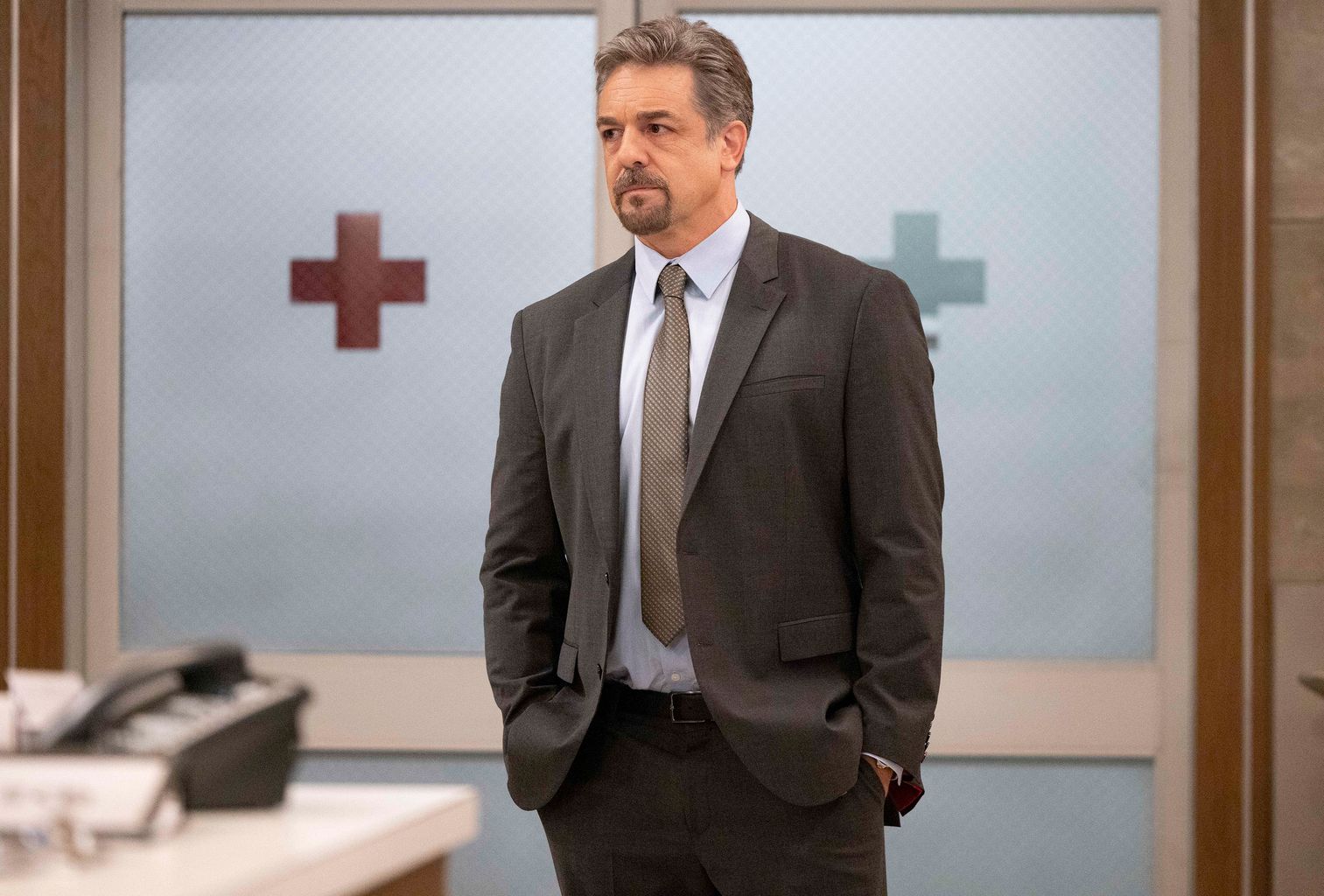
General Hospital actor Chris McKenna is sharing details about his mental wellbeing.
“I live with bipolar disorder… This is the very first time I’ve discussed it with the public,” McKenna, 48, revealed during a Monday, December 15, conversation on the “State of Mind with Benard">Maurice Benard” podcast. “[I’m] doing well. I’m in a positive place right now. It wasn’t always this way, but I’m good at the moment.”
McKenna then acknowledged that he also faces challenges with alcohol and substance use, while also stating that his bipolar experiences are unique compared to his General Hospital colleague’s. (Benard, 62, has also received a bipolar disorder diagnosis.)
“Our paths are different, and my symptoms aren’t the same as yours,” McKenna clarified. “But I experienced my initial mental health crisis as a young person and then navigated life with this condition without a diagnosis…Which is, you know, interesting to consider now…I spent my whole life unaware of this disorder and then went through intense psychotherapy, which has been widely discussed.”
Stars Are Opening Up About the Link Between Mental Health and Substance Abuse
He went on, “And it all came to a head during the Covid pandemic, when I had a severe depressive episode for the first time since my teens, which was then followed by a manic psychotic episode that required hospitalization. That’s when I finally received a diagnosis. This happened just a few years ago, after Covid, and I realized I needed to address this throughout my life. And I started taking medication, lithium. And that’s where I stand today.”
In another part of the interview, McKenna talked about his time as a child performer, starting auditions at age 7, and his prominent role on One Life to Live, which he secured at age 12.
“They were giving me storylines meant for adults. I was 6’3” portraying an 18-year-old, but I was only 15,” McKenna noted, adding that his first romantic encounter was with an actress who was 20 years old at the time.
He was later replaced after a few years and decided to attend regular high school to have a different teenage experience.
The Mayo Clinic defines bipolar disorder as “a mental health condition that leads to significant shifts in mood.” These mood shifts can involve periods of elevated energy, known as “mania or hypomania,” and periods of sadness, “known as depression.”
Mayo Clinic also points out that there are various types of bipolar disorder, each characterized by different symptoms, including alternating periods of hypomania and depression, “many cycles” of hypomania and/or depression, and unpredictable mood fluctuations. “Bipolar disorder can develop at any age, but it’s typically diagnosed during the teenage years or early 20s. Symptoms can vary from person to person, and symptoms may change over time,” the medical center’s website also explains.
Benard first publicly shared his own diagnosis in 2000. In an April 2020 interview with People, he explained his hesitation to reveal his condition earlier.
“I didn’t discuss it because an acting coach warned me that if I mentioned I was bipolar or had a mental illness, I wouldn’t be offered roles,” Benard said. He also confessed to experiencing anxiety, suicidal ideation, manic episodes, and even instances of aggression.
Benard detailed his experiences with the disorder further in his memoir, Nothing General About It. “I allowed myself to be open and honest in this book,” he told People. “And especially when I recorded the audiobook — wow, I would cry uncontrollably and then compose myself and continue.”
How to Identify and Address Co-Occurring Disorders: Expert Insights
Benard, who was 22 when he was diagnosed, attempted to discontinue his medication as his career gained momentum. “I was feeling fantastic,” he said. “My mind convinced me I didn’t need medication because I wasn’t unwell.” However, he soon suffered a third breakdown and resumed taking lithium.
If you or someone you know is struggling or in crisis, help is available. Call or text 988 or chat at 988lifeline.org. https://988lifeline.org/