Hollywood's Unlikely Leaders Redefine Power Beyond the Boardroom
Typically, our mental image of a powerful leader often involves a top executive, perhaps a Fortune 500 CEO, known for their commanding presence and prestigious private office. However, true leadership isn't rooted in asserting control; instead, it's about harnessing the combined brilliance inherent within a team. Interestingly, the entertainment industry might offer more profound insights into this approach than corporate boardrooms.
Consider Pharrell Williams as our first example: this versatile talent holds roles as a composer, producer, and the creative director for Louis Vuitton's menswear, among other achievements. His reputation as a highly desirable collaborator stems from his consistent focus on the endeavor itself, rather than personal recognition.
He has a knack for identifying untapped talent and forging connections among individuals from diverse fields. (A prime illustration is the widely shared 2016 video where Williams was visibly astonished upon first hearing the music of then-NYU graduate student Maggie Rogers.) Williams challenges the notion that leaders require an imposing persona, instead demonstrating that effective leaders highlight the capabilities of others and foster environments conducive to successful teamwork.
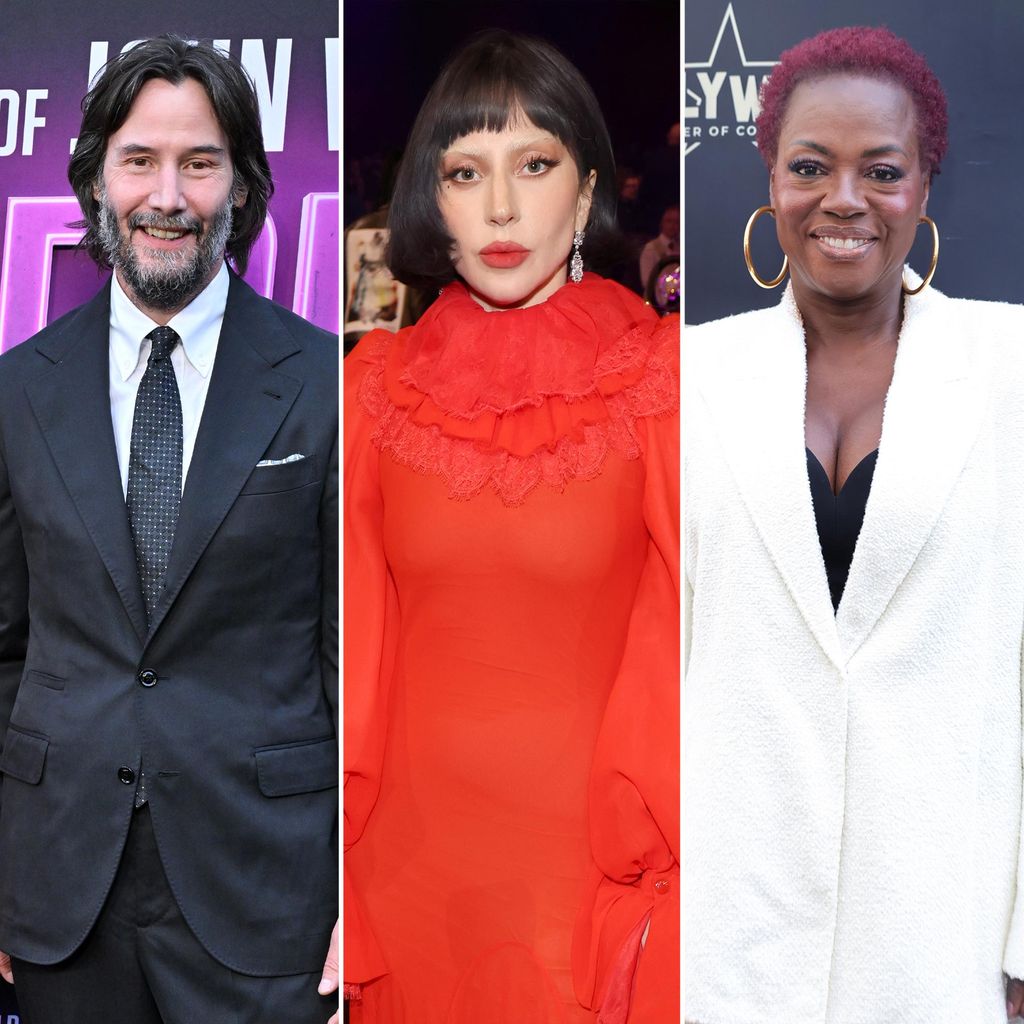
Similarly, Lady Gaga intentionally incorporates a wide range of viewpoints across her musical endeavors, fashion pursuits, advocacy, cinematic roles, and entrepreneurial projects, such as her cosmetics line Haus Labs by Lady Gaga and the Born This Way Foundation. By engaging individuals with varied outlooks, she effectively amplifies innovation. (It's rare to find someone who has collaborated with names as distinct as Beyoncé, Jeff Koons, and Joaquin Phoenix.)
Pharrell Williams Attracts Celebrities to His Inaugural Louis Vuitton Showcase
Research indicates that teams drawing on varied skills and backgrounds are consistently more adept at tackling intricate challenges than uniform groups, and Gaga's career exemplifies how embracing diversity is not merely a principle, but a powerful asset.
Consider also Ryan Reynolds. Across his ventures, from Aviation Gin to co-owning the Welsh soccer club Wrexham AFC, the Deadpool actor refrains from adopting an autocratic leadership style. Instead, he fosters collaborative relationships, openly distributes recognition, and employs humor effectively to build rapport. Individuals are drawn to his initiatives because they perceive themselves as recognized and appreciated. As trust underpins successful team output, Reynolds clearly demonstrates that the concept of the domineering, omnipotent leader is an outdated fallacy.
On the topic of men who have consciously eschewed the dominant alpha archetype, Keanu Reeves is admired not solely for his roles in The Matrix and John Wick, but equally for his benevolence and understated leadership. Numerous accounts recount his legendary actions, such as personally covering crew wages, accepting reduced salaries, and extending respectful treatment to everyone he encounters.
Reeves doesn't demand allegiance through sheer volume or assertion; instead, he cultivates it by fostering what specialists term psychological safety, empowering those in his orbit with the confidence to innovate and vocalize their thoughts. Groups operating within an environment of psychological safety invariably achieve better results than those lacking it. Reeves demonstrates that genuine compassion, rather than ostentatious display, represents the pinnacle of leadership strength.
Stars Disclose Their Preferred Actors for Portraying Them in Biopics
Viola Davis, too, leverages vulnerability as a source of strength, a fact underlined by her EGOT status. Her performances captivate audiences with unfiltered authenticity, yet her leadership quality emerges from how this very honesty uplifts her fellow actors. Through establishing an environment where openness is embraced, she encourages her colleagues to excel alongside her. Embracing vulnerability reinforces trust and enhances a team's capacity for recovery.
Lastly, Meryl Streep, frequently hailed as the preeminent actor of her era, illustrates that genuine influence doesn't eclipse others; it enhances them. Colleagues, including Anne Hathaway and Tom Hanks, have stated that working with Streep elevates their own performances. Her example highlights that exceptional leadership isn't about control, but about fostering the growth of those around you.
The collective evidence from these celebrities, supported by scientific research, underscores that leadership is not predicated on charm or authoritarian command. High-performing teams thrive due to leaders who nurture environments of confidence, security, and mutual regard. Consequently, it appears that some of the familiar faces from the red carpet could be offering a model for future leadership paradigms, or what I refer to as team intelligence, which is the key to unleashing group potential.