Prince Andrew's Royal Lodge Lease: A Peppercorn Rent Puzzle Amidst Royal Uncertainty
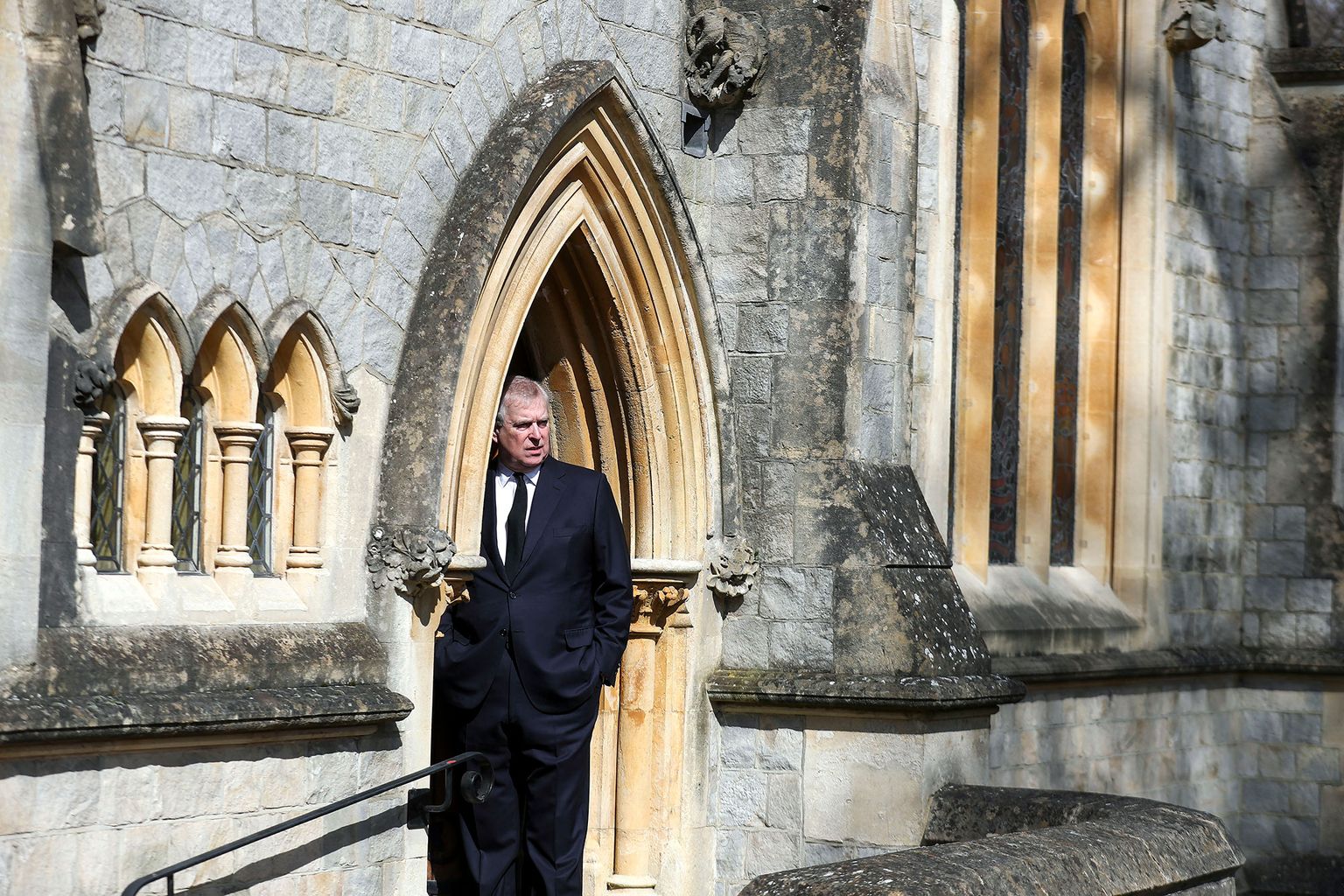
Prince Andrew confronts an uncertain journey within the British royal family, stemming from his choice to surrender his official designations.
In October 2025, Prince Andrew made public his decision to “cease using my title or the accolades that have been conferred upon” him, a move linked to his association with the late, discredited financier and convicted sex offender Jeffrey Epstein.” The prince has consistently “forcefully denied” any wrongdoing, despite reaching a private settlement with the late Epstein accuser Virginia Giuffre in 2022, following her lawsuit against him for alleged sexual assault. (Epstein and Giuffre both died by suicide, in 2019 and 2025, respectively.)
A key query about Prince Andrew’s path forward is whether he will remain a resident of Royal Lodge, a property owned by the Crown Estate on the Windsor Home Park grounds and rented to him since 2003.
Considerable public anger has emerged in the U.K. concerning Prince Andrew and the Crown Estate’s “peppercorn rent” arrangement for the property, which effectively allowed him to live there without paying substantial rent for 22 years.
Is Prince Andrew Still a Working Royal? His Current Standing Within the Family
Continue reading for a complete explanation of Prince Andrew’s tenure at Royal Lodge.
Why Does Prince Andrew Not Pay Standard Rent for Royal Lodge?
Prince Andrew does not hold independent ownership of Windsor Castle — the estate is part of a portfolio of real estate acquired by the royal family, known as the Crown Estate. The Crown Estate oversees all royal residences for the financial benefit of the U.K. taxpayer.
In 2003, Prince Andrew entered into a 75-year lease for Royal Lodge, situated approximately three miles south of Windsor Castle. (King Charles III utilizes Windsor Castle for official state occasions, while Prince William and Kate Middleton resided nearby at Adelaide Cottage before relocating to Forest Lodge in Windsor Great Park in 2025.)
London’s The Times reported that Prince Andrew and the Crown Estate agreed upon a “peppercorn rent” at the time, wherein he would pay £1 million for the lease, in addition to funding any necessary renovation expenses. Prince Andrew reportedly contributed £7.5 million for refurbishments that were finished in 2005, and he also paid an extra $2.5 million for a rent buyout.
As per the legal stipulations of his lease, Prince Andrew has not been obligated to pay conventional annual rent for his Windsor estate, which encompasses a six-bedroom cottage, a Chapel Lodge, a gardener’s cottage, and security accommodations.
Instead, Prince Andrew committed to financing ongoing renovations that might be required to maintain Royal Lodge in good condition. BBC News stated in October 2025 that he would adhere to royal inspectors’ evaluation of the property every five years, as stipulated by a “paint, paper, polish, decorate” clause in his lease.
What Constitutes ‘Peppercorn Rent’?
According to the U.K. government, “peppercorn rent” is a term signifying “a rent that held nominal or low value.” Essentially, the phrase indicates a recurring payment that is more symbolic than financially significant, serving to fulfill the conditions of a contract.
Recent amendments in 2022 first defined “peppercorn rent” as “an annual rent of one peppercorn,” which essentially limits this form of rent to almost “zero financial value.” Under these new regulations, landlords are not compelled to “levy a peppercorn rent” unless they choose to do so.
Buckingham Palace Will Fully Investigate New Prince Andrew Allegations
In Prince Andrew’s situation, the agreement he signed for the property in 2003 means he can pay a token fee annually — perhaps £1 or nothing at all — because he covered upfront renovation costs. The Times reported in October 2025 that Prince Andrew had not remitted significant rent on the property after the refurbishment was completed in 2005.
Will Prince Andrew Be Compelled to Vacate Royal Lodge?
It is improbable that Prince Andrew could be forced by the Crown Estate to leave Royal Lodge. BBC News clarified in October 2025 that Andrew possesses an independently held “cast-iron lease” on the property.
Since Prince Andrew paid all the initial fees associated with his lease, he retains the right to continue residing there under a “peppercorn rent” arrangement until at least 2078 — or, effectively, for the remainder of his life.
Prince Andrew could potentially be swayed to surrender the property to prevent further negative publicity for the royal family, although that would be a decision only he has the authority to make, having honored the terms of his original lease.
The Times reported that, should Andrew be convinced to give up his Royal Lodge lease, the Crown Estate would be obliged to pay him £558,000, along with a “compensatory sum” of £185,865 each year through 2028.
Christopher Andersen, royal expert and author of Brothers and Wives, exclusively informed Us Weekly in October 2025 that retaining the tenancy of Royal Lodge was one avenue for Prince Andrew to control his destiny amidst escalating scandal.
“Gradually, since the Queen’s death, it has become clear to Andrew that he might truly be expelled from the royal fold entirely,” Andersen explained. “His titles, his privileges, his status all held importance for him.
The royal expert continued, “That has all been gradually removed over the past few years, and now he’s merely clinging on by his fingertips. What matters most to Prince Andrew these days are all the benefits — being able to hold onto Royal Lodge, his lavish residence on the Windsor grounds, maintaining a private staff and a comfortable lifestyle.”
Which Other Royals Have Resided at Royal Lodge?
The contemporary Royal Lodge underwent reconstruction over a 10-year period between 1830 and 1840, having previously served as the home of artist Thomas Sandby and, later, court official Joseph Frost in the 18th century. By the mid-1800s, the Crown Estate assumed ownership of the property.
In more recent history, King George V eventually granted residency to the Duke of York (also known as the future King George VI) in the 1930s. The Queen Mother became the primary occupant in the period leading up to her daughter Queen Elizabeth II’s coronation in 1953.
By the time of The Queen Mother’s passing in March 2002, the property was considerably dilapidated and in dire need of substantial renovation. This is precisely why a “peppercorn rent” arrangement with Prince Andrew proved so appealing for the Crown Estate, as he agreed to cover upfront costs to refurbish the property, rather than the Estate having to rely on taxpayer funds.
Numerous notable occasions have taken place at Royal Lodge since Prince Andrew signed his 75-year lease, including Princess Eugenie’s reception following her wedding to Jack Brooksbank in 2018, as well as Princess Beatrice’s 2020 wedding to Edoardo Mapelli Mozzi at the Royal Chapel of All Saints.