African Groups Challenge UNEP Data Amid Fast Fashion Influence Fears
Several African organizations, backed by a consortium of European, Asian, and American experts, have collectively written to the United Nations Environment Programme (UNEP) to express grave concerns. Their letter specifically warns about the questionable reliability of the data underpinning UNEP’s global textile circularity projects and condemns the perceived influence given to actors "subservient" to the fast fashion industry.
At the heart of these concerns lies the evidence base for UNEP's "Circularity and Trade in Used Textiles" project. An open letter, signed by organizations from Ghana, Togo, Kenya, and Pakistan, directly challenges the validity of key figures, labeling them as "unverified." The signatories emphasize that data integrity is paramount for this forthcoming framework, which aims to establish critical distinctions, such as defining the boundary between garments suitable for reuse in the second-hand market and genuine textile waste.
While the UNEP project's stated goal is to identify crucial policy, financing, investment, and regulatory priorities to foster a sustainable, circular textile value chain, its recent consultation phase has drawn sharp criticism. Signatories describe the process as rushed and skewed by the very unverified figures it produced. Jeffren Boakye Abrokwah, president of the Ghana Second-Hand Clothing Sellers Association, articulated the sentiment, stating, "What we have seen throughout this consultation process does not correspond to the objectivity expected of a United Nations programme."
Abrokwah provided a specific example from Ghana, where he noted that UNEP's research partner is an NGO already conducting a waste management awareness campaign, and crucially, is funded by the fast fashion industry. He suggested that this relationship "may have undermined the neutrality of the data collected." Echoing this sentiment, Alan Wheeler, chief executive of the UK Textile Recycling Association, lamented, "UNEP’s willingness to adopt unverified conclusions contradicts its stated commitment to impartiality and undermines public confidence."
Further intensifying the warning, Teresiah Wairimu Njenga, president of the Mitumba Consortium Association of Kenya, cautioned that "UNEP’s work risks being seriously compromised if it does not dissociate itself from militant organisations subservient to the interests of fast fashion." These statements collectively highlight a significant concern regarding the potential for industry influence to compromise the integrity and impartiality of a vital UN initiative.
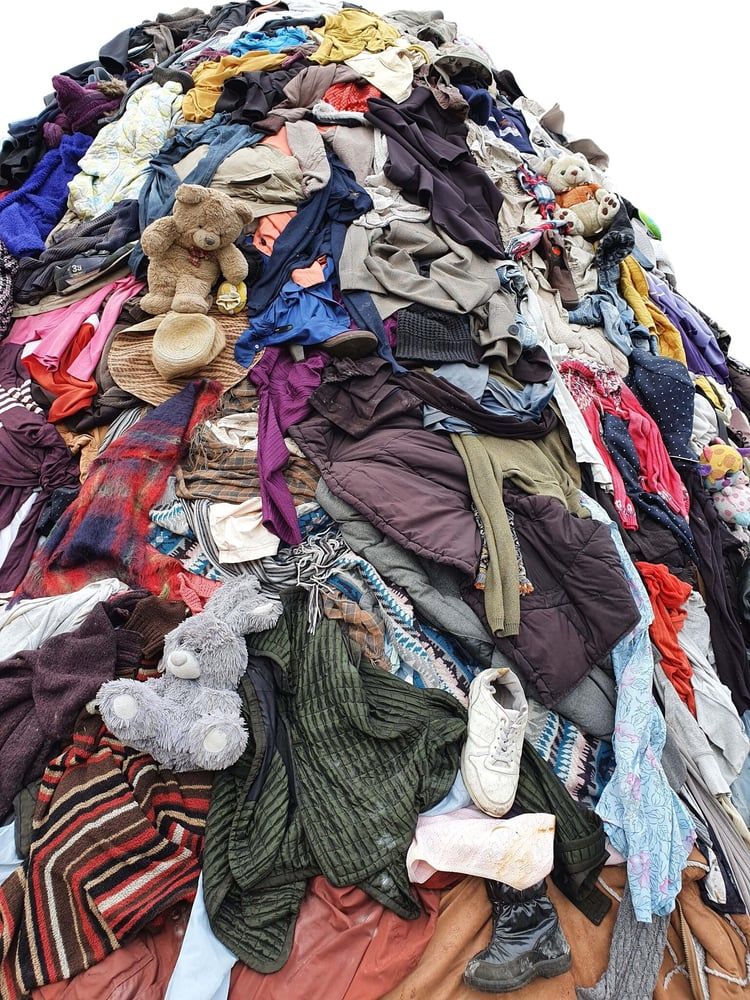
The warning issued by these African stakeholders carries considerable weight, particularly given the global outrage sparked by images of clothing dumps in developing nations. These countries often host vast resale markets for second-hand clothes originating from Western consumers, with their volume frequently surpassing that of primary markets.
This clash between signatory organizations and UNEP also coincides with a period of significant upheaval in the global used-clothing market. African outlets, traditionally major destinations for Western garments, have recently seen a decline due to a massive influx of Asian garments into this second-hand sector. Concurrently, textile collection systems in Western countries are facing saturation, leading to unusual measures; Sweden, for instance, has exceptionally authorized the destruction of clothing, while in France, collectors have gone on strike to highlight the precariousness of their business model.
Ironically, the United Nations Environment Programme itself estimates that the textile industry loses an astonishing $500 billion in value annually. It also posits that 95% of discarded textiles are potentially reusable, all while global clothing production has doubled over the past fifteen years. This stark contrast between UNEP's own statistics on waste and potential reuse, and the concerns raised about data reliability in its circularity projects, underscores the complexity and critical importance of robust, impartial data in shaping truly sustainable solutions for the textile industry.