ASOS Posts Strong Profit Gains Amidst Strategic Transformation and Customer Re-engagement
ASOS has provided a full-year trading update, indicating significant strategic and operational progress, even as it navigates a challenging monetary landscape marked by lower-than-expected sales and adjusted EBITDA at the lower end of its forecast. The online fashion retail giant is clearly making strides in building a more resilient and profitable business model.
For FY25, ASOS reported a notable increase in its gross profit margin, rising by approximately 350 basis points. This improvement was primarily driven by the successful implementation of its new commercial model, which emphasizes a higher mix of full-price sales and reduced markdown activity. Concurrently, adjusted EBITDA saw an increase of over 60%, reaching an adjusted EBITDA margin of more than 5%, in line with consensus. This was achieved through enhanced gross margin and sustained cost efficiency, despite group revenue being slightly below consensus estimates due to a continued focus on higher-quality sales amidst a soft consumer backdrop.
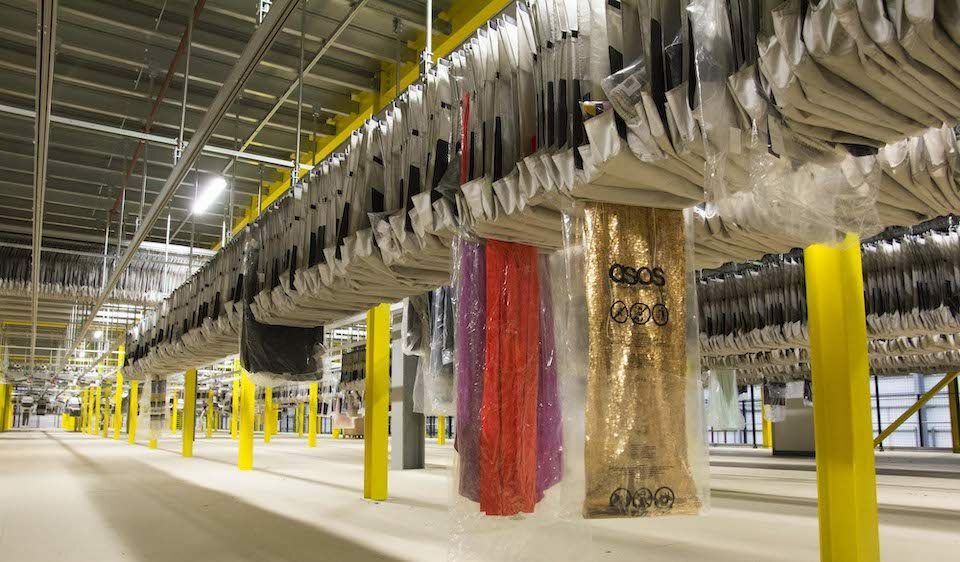
Operational advancements have played a crucial role in these financial improvements. The "Test & React" model now accounts for more than 20% of ASOS's own-brand sales, while flexible fulfilment has expanded to 10% of third-party Gross Merchandise Value (GMV). These initiatives enable ASOS to deliver relevant products to customers faster and more efficiently. Furthermore, substantial efficiencies have been realized across the supply chain through a series of wide-ranging initiatives, including efforts to reduce unnecessary returns, renegotiation of key distribution contracts, and optimization of its warehouse footprint. These measures have led to significant multi-year savings, with distribution and warehousing cost-to-serve down by approximately 3 percentage points over the past two years, and further opportunities identified.
Notably, profit per order rose by around 30%, underscoring a fundamental reset in unit economics achieved by focusing on creating sustainably profitable relationships with customers. During the second half of the year, ASOS implemented meaningful cost actions that, while not delivering a material benefit in the immediate period, have permanently lowered its exit cost base. This strategic move positions the company to realize substantial annualised savings in FY26 and beyond.
This comprehensive progress aligns with ASOS's overarching strategic revamp programme, designed to build sustainably profitable and resilient foundations. The programme is structured into three distinct phases. Phase one successfully focused on clearing excess stock, reducing its warehouse footprint, and strengthening the balance sheet. Phase two involved reshaping the business towards a stronger, more profitable underlying economic model for sustainable growth. The final phase, now taking centre stage, is dedicated to "re-engaging customers," with a focus on regaining the "hearts and minds" of its core customer base in core markets.
As ASOS entered FY25, phase one was largely complete. The company had significantly reduced and comprehensively refinanced its net debt, announced further efficiencies in its global distribution network by mothballing its Atlanta fulfilment centre, and drastically reduced its inventory position by over 60% since the end of FY22, from £1.1 billion to approximately £400 million. Having concurrently scaled its new commercial model and rebuilt its variable and fixed cost base as part of phase two, the initial plan was to shift gears to the final stage earlier in FY25. However, ASOS opted to explore more opportunities for fixed cost reduction and variable cost optimization, reinforcing its profitability foundations to deliver further material improvements to its cost base in FY26 and beyond.
Over the summer, ASOS pivoted firmly to the final phase of its transformation, launching a series of new customer experiences. These initiatives include the exclusive Adidas x ASOS collaboration, the introduction of the ASOS.WORLD loyalty programme in the UK, and the expansion of Topshop and Topman through new channels. Early signs on customer engagement from these efforts have been positive, signalling a promising start to the customer re-engagement phase.
Looking ahead to FY26, ASOS states that "building customer love" is the primary focus for its energy, investment, and resources. The company enters this exciting phase with a business model, stock profile, and underlying cost base that positions it for success, with more new customer experiences anticipated. ASOS expressed confidence in achieving adjusted EBITDA and free cash flow for the current year in line with consensus forecasts, supported by further gross margin improvement towards approximately 50% and continued cost efficiency. The company also reiterated its medium-term guidance, targeting sustainable adjusted EBITDA growth to a margin of around 8%, sustainably ahead of capex, interest, tax, and leases, alongside an expected return to revenue growth and an improving gross margin towards the 50% mark.