Ba&sh Aces Accessible Luxury With "Hit Bag" Strategy

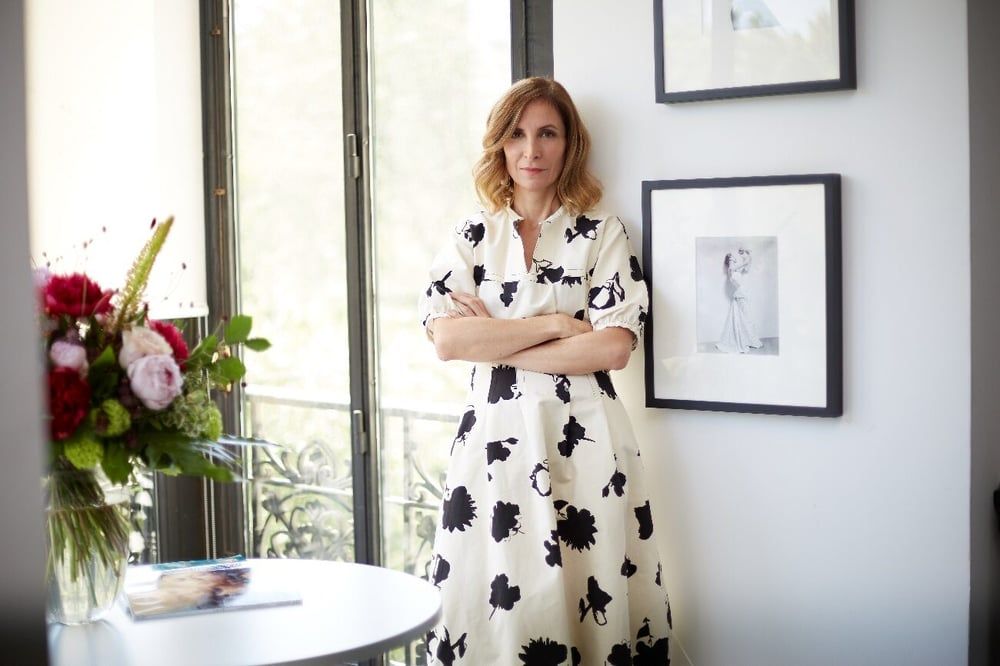
Ba&sh significantly elevated the profile of its handbag collection in September, strategically launching its new Youyou model with a high-visibility campaign. This initiative included prominent placements on bus shelters, at Paris Métro exits, in fashion magazines, and notably, on the façade of Galeries Lafayette. This assertive push underscores the booming accessories market within French premium fashion, a category that consistently strengthens year after year for the brand. Overseeing this expanding range is Hélène D'Auriac, a seasoned expert with a distinguished background at luxury houses like Louis Vuitton, Marc Jacobs, and Chloé. She recently shared insights into the market and her strategic approach to driving continued growth for the brand, founded by Barbara Boccara and Sharon Krief in 2003.
The Youyou bag, despite being positioned at a slightly higher price point of 450 euros compared to the brand's core range of 395 euros, resonated immediately with consumers. This success follows another major triumph from the previous year, the June Tote, which required weekly restocks to keep up with overwhelming demand. The positive reception to the Youyou's entry into a higher price bracket was a pleasant surprise, but it also reflects a broader trend: consumers, in the midst of a "crisis of confidence" within the luxury industry, are increasingly seeking exceptional value for money. They demonstrate a keen eye for sourcing and materials, gravitating towards brands that offer expertise and quality without the perceived disconnect of some ultra-high-end houses.
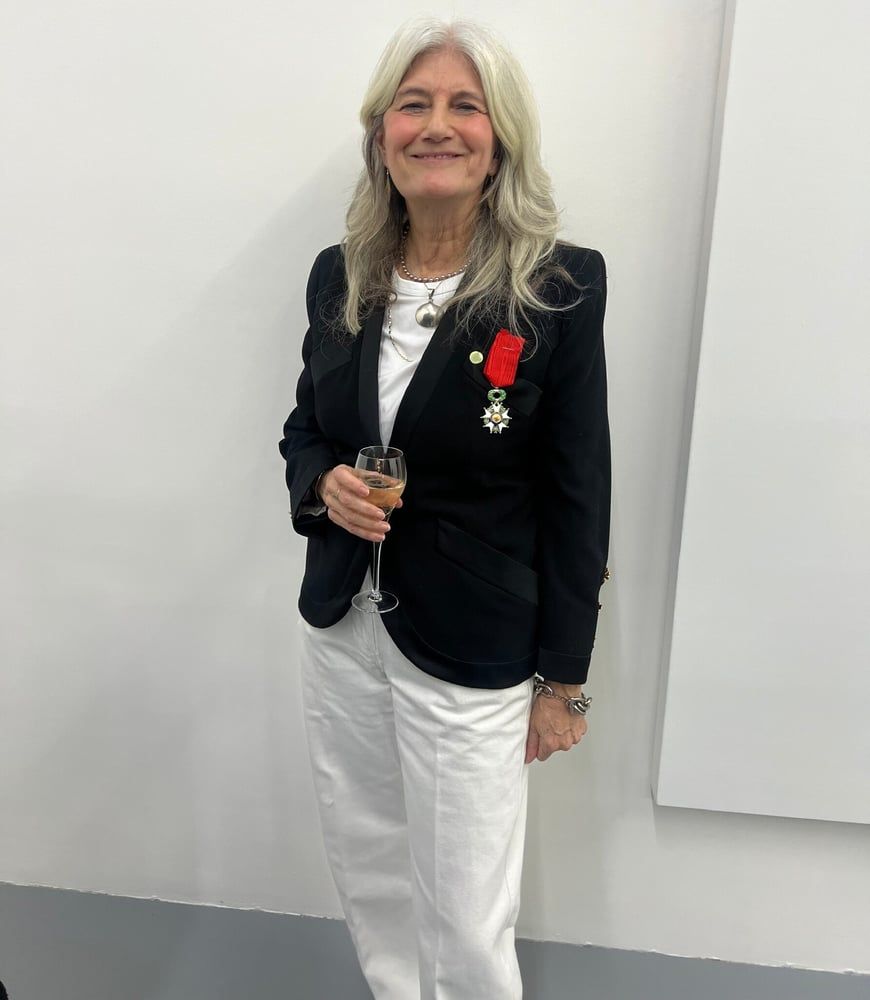
Hélène D'Auriac, a specialist in luxury accessories, joined Ba&sh seven years ago, bringing with her invaluable experience from the high-end segment. At that time, with L Catterton as a shareholder, there was already a luxury culture within Ba&sh, but the accessories category was yet to be fully developed. Her challenge was to infuse luxury know-how, introduce new sourcing methods, and work with specialized designers to cultivate a strong accessories culture within a brand that had historically been very focused on ready-to-wear. This involved a deep dive into Ba&sh's DNA, understanding its signatures, codes, materials, craftsmanship, and effortless spirit to authentically translate these elements into a distinct bag collection.
The integration of this specialized expertise marked a pivotal shift for Ba&sh. It enabled the brand to craft a premium offering, developed in Europe using Italian leathers, and adhering to responsible standards like the Leather Working Group label. Barbara Boccara and Sharon Krief granted D'Auriac significant creative freedom, recognizing the distinct timelines, methods, and sourcing required for accessories. This authentic approach, coupled with a highly competitive price-quality proposition, fueled the category's immediate success. Positioned in the affordable luxury segment, Ba&sh aims to deliver very good quality at a fraction of competitors' prices, a strategy that has resulted in consistent double-digit growth in accessories since D'Auriac's arrival.
The success of the June Tote and Youyou inevitably raises the question of how to create a "hit-bag." D'Auriac believes the recipe starts with working on a timeless design. The second crucial element is maintaining consistency in messaging, ensuring alignment across marketing, merchandising, and digital platforms. Finally, it's about staying the course and not abandoning a product at the first sign of fluctuating sales, echoing the luxury industry's current return to its iconic pieces.
Once a bestseller is established, the next step is to leverage its success and potentially evolve it into an icon. This involves continuously expanding the choice of materials and signature details. While leather goods are experiencing strong growth, other accessory categories, particularly jewelry, are also making significant progress. Ba&sh has applied the same emphasis on know-how to jewelry, utilizing recycled silver and original designs to achieve extremely strong growth. The ultimate aspiration for a hit-bag is to transform it into an icon, which, in the accessible luxury timeline, means a bag that remains popular for three to five years, a feat that some premium brands from the 80s and 90s have achieved for over two decades. Iconic status is seen as crucial for weathering sector-wide crises.
Ba&sh's strategy includes extending the life and appeal of successful models. For instance, a new, smaller version of the June Tote was recently promoted, increasing the model's visibility and attracting a younger clientele. Further variations are in the pipeline, with new material and color options, as well as image-driven details like embroidery, stones, or fringes, reflecting the brand's DNA, set to debut in January. These different iterations build a cohesive narrative around the core model, speaking to diverse customer profiles, from younger buyers to more sophisticated patrons.
Currently, Ba&sh maintains a curated portfolio of bags to avoid diluting its message. The collection is structured around three main product families—the June Tote, the Youyou, and the more seasonal Swing satchel—which come in various formats, details, and colors. A fourth family comprises purely seasonal products, designed to last six months and cater to specific trends for a fashionable, often younger, clientele. The majority of sales, however, are generated by the first two propositions, reflecting consumers' tendency to invest in more iconic models. The brand celebrates the pleasant surprise of having two models performing exceptionally strongly simultaneously.
Ba&sh's success in this category is part of a broader industry dynamic. The accessories category now accounts for 11% of the brand's total sales, with an ambitious target of reaching 15% within three years. D'Auriac attributes this momentum to Ba&sh's high level of creativity, beautiful materials, and finishes. The brand also benefits from the rise of "new luxury" brands that offer a very high-end range and excellent retail experience but at a more accessible price point than traditional luxury houses. Consumers are increasingly seeking high quality at a conscious price, and Ba&sh, with its European production and strong retail expertise, is perfectly positioned to meet this demand, offering the kind of creativity once exclusive to luxury brands.
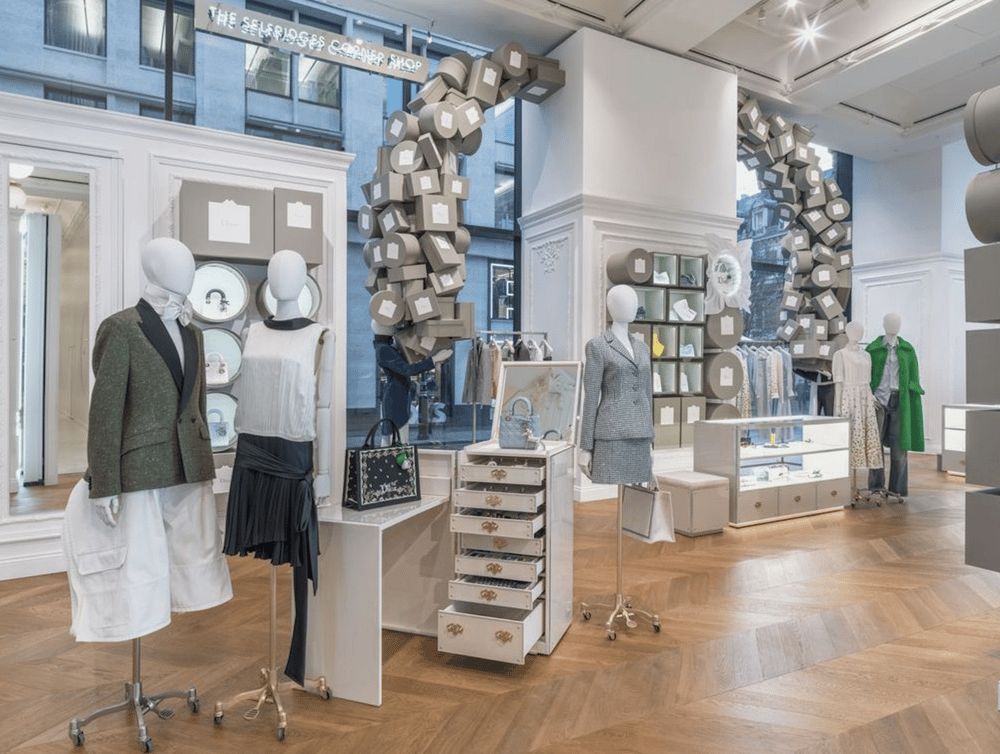
To keep models alive and engaging for consumers, Ba&sh employs a multi-faceted marketing strategy. Key moments in the retail calendar are leveraged, such as the "back-to-school" period in September for new product launches like the Youyou. The annual sales peak in December, where sales can double, sees a shift in focus to bestsellers, promoted with new colors and materials. These efforts are supported by various activations, including a recent pop-up at Galeries Lafayette, collaborations with brand-loving influencers, and striking image campaigns. This diversified approach helps reach different customer profiles, with data showing that 40% of June Tote customers are new to the brand, and 25% are under 35, indicating success in attracting a younger clientele.
Looking ahead, while Ba&sh aims to temper the pace of new bag launches slightly, there are numerous exciting projects in development. The brand sees significant potential in extending its identity into new territories, such as an evening offering or textile totes at a more accessible price point, always striving for a differentiated product. The expertise gained in jewelry is also eyed for expansion into areas like sandals or more sophisticated evening accessories. More broadly, Ba&sh is evolving into a genuine lifestyle brand, exploring an innovative approach to well-being with complete silhouettes for yoga retreats, developed in collaboration with ready-to-wear teams. Other lifestyle-oriented offerings include Coachella-themed clutches for festivals, signaling an exhilarating phase of parallel expansion across multiple new creative territories.