Black Friday Sales Surge Online While Shoppers Skip the Stores
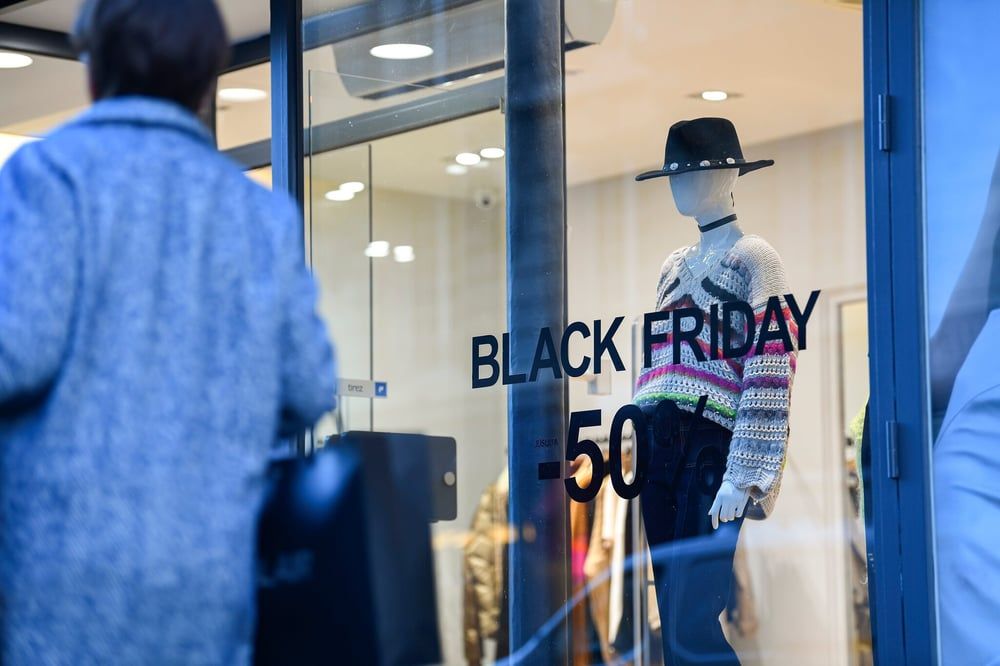
US Black Friday retail sales experienced a notable 4.1% increase, according to the latest figures from Mastercard SpendingPulse, which tracks in-store and online retail sales across all payment types, excluding autos. This growth, however, showcased a clear divergence in consumer shopping preferences: while online sales surged significantly, physical store visitor traffic saw a decline, as revealed by a separate report from RetailNext. Despite this mixed picture, both analyses highlighted a stronger performance for the apparel sector compared to other retail categories.
Mastercard's data paints a picture of consumers engaging in "comfort, connection, and savvy shopping" as they geared up for the holiday season. The payment card giant noted that this year's Black Friday event underscored a strategic approach by shoppers preparing for meaningful moments with loved ones. Overall, e-commerce retail sales, excluding automobiles, jumped by an impressive 10.4%, reflecting consumers' increasing prioritization of speed and convenience in their purchasing decisions. In contrast, in-store sales saw more modest growth at 1.7%, though they "remain essential to consumers for tactile experiences."
A standout performer in this period was the apparel sector, demonstrating particular strength in both online and in-store channels. Apparel sales climbed 5.7% overall, with online purchases rising by 6.1% and in-store by 5.4%. This robust growth was attributed to "chilly temperatures and seasonal deals," which encouraged spending on new fashions, suggesting shoppers were refreshing their wardrobes while making value-driven choices. Jewelry also saw positive movement, increasing by 2.75% overall and 4.2% online, indicating a preference for "gifts that shine." Mastercard further emphasized how the surge in online shopping illustrates technology's transformative impact on payment methods, enabling "seamless checkout experiences across devices," from smartphones to smart home assistants, making holiday shopping faster, safer, and more intuitive.
However, the shift towards online convenience coincided with a noticeable drop in physical store traffic. RetailNext's initial data indicated an average 5.3% year-over-year decrease in foot traffic across Black Friday and Saturday. Specifically, Friday saw a 3.6% reduction in visitor numbers, while Saturday experienced a more substantial 8.6% decline. Breaking this down by store type, apparel stores fared relatively better, with traffic down only 2.3% across the two days, including a marginal 0.7% drop on Friday and a 5.3% decrease on Saturday. Other categories faced steeper declines: footwear saw drops of 6% for the weekend, Friday, and Saturday respectively; health & beauty recorded falls of 4.7%, 2.1%, and 9.6%; and jewelry traffic decreased by 3.6%, 2%, and 6.6% over the same periods.
Joe Shasteen, Global Head of Advanced Analytics at RetailNext, offered crucial insights into these traffic trends, stating, "Black Friday 2025 didn’t kill the holiday; it changed how shoppers approached it." He explained that the decrease in foot traffic wasn't a sign of disinterest but rather "intention." Consumers, he noted, are moving away from impulse-driven, one-day shopping frenzies. Factors such as "prices, tariffs, and tighter budgets" have prompted people to shop with discipline, turning Black Friday into a "value calculation" rather than an adrenaline-fueled event.
RetailNext highlighted that the 3.6% drop on Black Friday itself was significantly better than the 6.2% decline observed from the preceding Sunday through Wednesday (November 23-26). This suggests that even in a cautious economic climate, shoppers remain willing to attend major promotional events, but they are "simply being more selective about when those events are worth the trip." Shasteen concluded, "Despite the declines, Black Friday again delivered the highest in-store traffic of any day this year, reaffirming its role as the anchor of the holiday shopping season." He added that the weekend's performance was shaped more by "real-world factors than waning interest," with consumers "demanding proof it’s worth leaving the house." Retailers who adopted a strategy of a month-long build-up to November, rather than focusing on a single-day spectacle, ultimately saw the strongest in-store performance.