Chamatex's Automated Shoe Factory Expands to Portugal with Star Investors
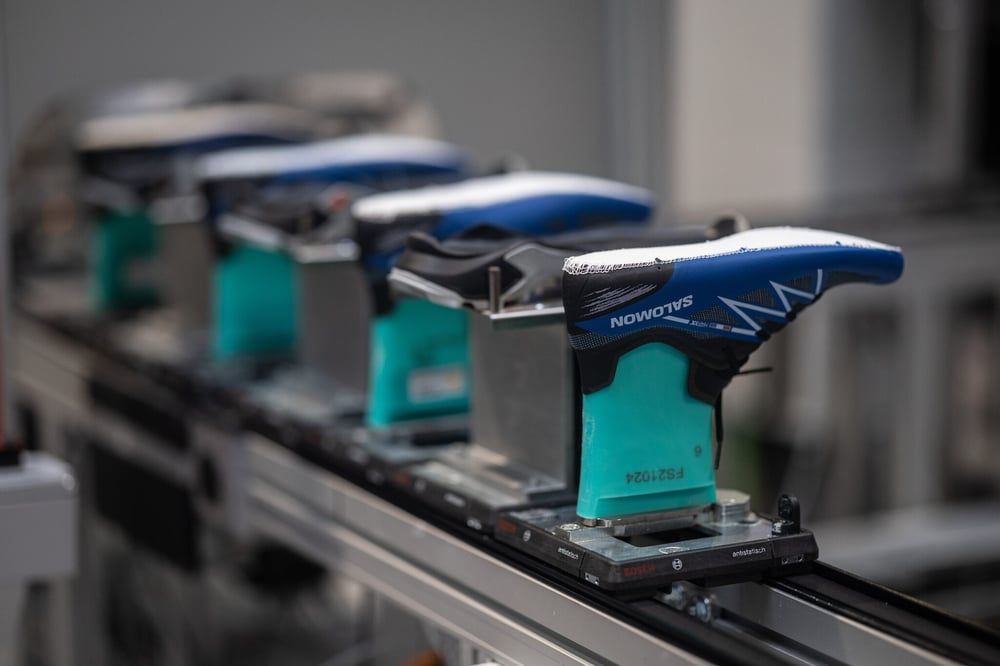
Chamatex made a pioneering move in 2020 by launching its highly automated ASF 4.0 factory in Ardèche, France, with the ambitious goal of producing sports footwear within Europe. This innovative venture marked a bold bet on local manufacturing, leveraging advanced technology to bring production closer to the market.
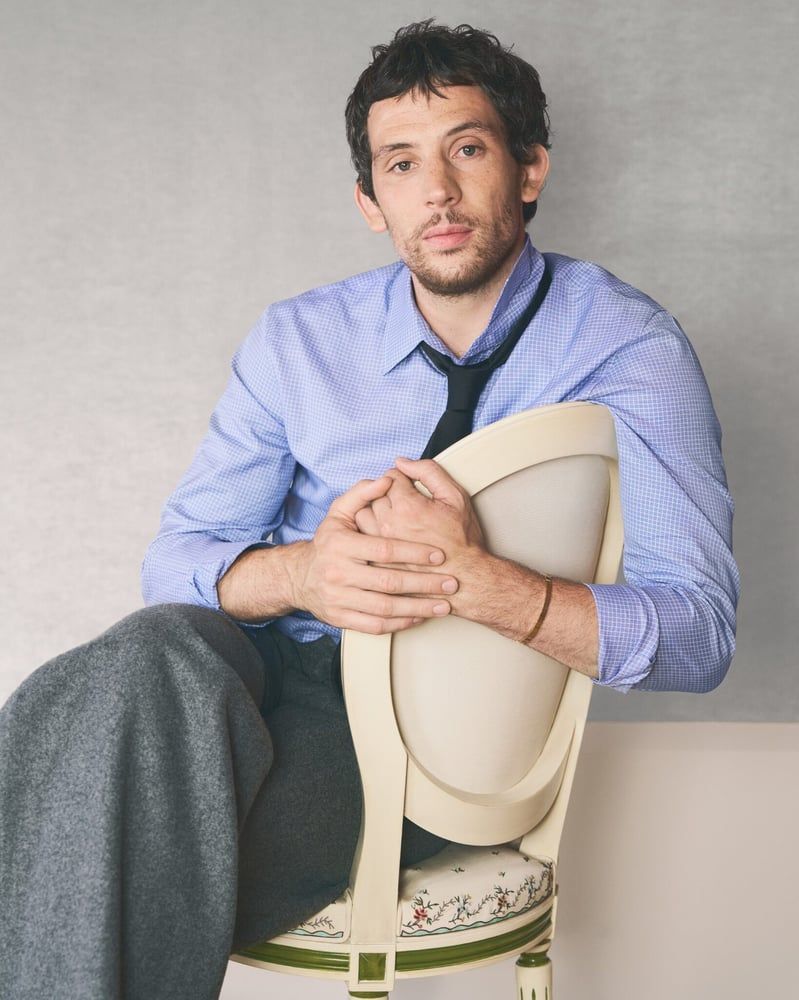
Building on the initial success and learning, a second Advanced Shoe Factory 4.0 is now slated to open in Barcelos, northern Portugal. This expansion has garnered significant attention, drawing in prominent investors who are not typically associated with industrial financing rounds. Among them are Carlos Tavares, the former head of Stellantis, and French Olympic judo champion Teddy Riner, both of whom are investing in this new Portuguese entity.
To fund the substantial ASF 4.0 Portugal mega-factory, Chamatex has announced a capital increase of approximately seven million euros for its ASF 4.0 subsidiary. This investment is further bolstered by bank financing and local subsidies. The initial project benefited from partnerships with brands such as Salomon, Babolat, Millet, and the Zebra group, and this current funding round brings in a diverse range of new stakeholders.
According to Chamatex's press release, the financing structure includes "the Chamatex Group, through its shareholders BPI and Yotta Smart Industry, Carlos Tavares, as reference shareholder in the ASF 4.0 Portugal subsidiary, and five business angels, including Teddy Riner." The project has also successfully engaged the public through a fundraising campaign hosted on the Lita platform, highlighting its broad appeal and support.
Carlos Tavares is deeply committed to this initiative, viewing it as a critical step in a technological revolution. He emphasizes Portugal's strong expertise in footwear manufacturing, with the country producing around 80 million pairs annually, as reported by APICCAPS, the sector's representative association. Tavares expressed his personal motivation, stating, "After many years serving international groups, I want to devote more time to my country, Portugal. Investing in ASF 4.0 means taking part in an industrial adventure, part of my DNA for over 40 years. ASF 4.0, thanks to its innovative, automated process that is unique in this industry, is opening up new prospects for the footwear industry."
While the Portuguese factory represents a significant second step for ASF 4.0, the journey for the first Ardoix pilot site in Ardèche was not without its challenges. Despite high ambitions, ramping up the factory proved to be a complex undertaking. Nonetheless, the facility successfully produced models for Salomon, Babolat, and Millet. The group reported an output of over 150,000 pairs, emphasizing that this initial learning phase was indispensable for mastering its robotic process and achieving the necessary industrial stability and reliability. This period allowed Chamatex to refine and calibrate a production model now deemed fully replicable.
Gilles Réguillon, Chamatex's managing director, expressed immense satisfaction at this expansion, remarking, "It's enormously satisfying to move to a European scale, all the more so surrounded by top-tier brands and industrial, sports and financial partners." This sentiment underscores the group's achievement in turning an industrial gamble into a scalable success story.
The new Portuguese factory's first operational phase is scheduled for July 2026. It will commence with two production lines, boasting an announced capacity of 500,000 pairs per year and creating 210 jobs. As with the initial French venture, long-standing partner Salomon will be the recipient of the first production runs in mid-2026, reinforcing the strong relationships Chamatex has cultivated.
The partners, however, envision a much larger future. Two subsequent expansions are already planned, aiming to escalate the total production capacity to 1.5 million pairs and generate 580 jobs by 2030. This substantial output is designed to offer customers enhanced responsiveness, increased flexibility for testing smaller runs, and a significantly reduced carbon footprint, aligning with modern market demands for sustainability and agility.
Crucially, the group stresses that the Ardoix site in the Ardèche mountains will retain its vital role as the center for research, development, and industrialization. It will continue to be responsible for supporting all technological advancements and the creation of new models, ensuring that ASF 4.0 remains at the forefront of footwear innovation.
With the establishment of this second plant, ASF 4.0 enters a transformative new phase. The successful realization of this expansion, particularly with the involvement of high-profile investors like Carlos Tavares, signals a powerful shift. It suggests that, beyond mere statements of intent, the reindustrialization of Europe—combining a high-quality response to market needs with advanced automation—is now on a credible and robust footing.