Champs-Élysées Rebounds Stronger Than Ever Driven by Olympics and Luxury Boom
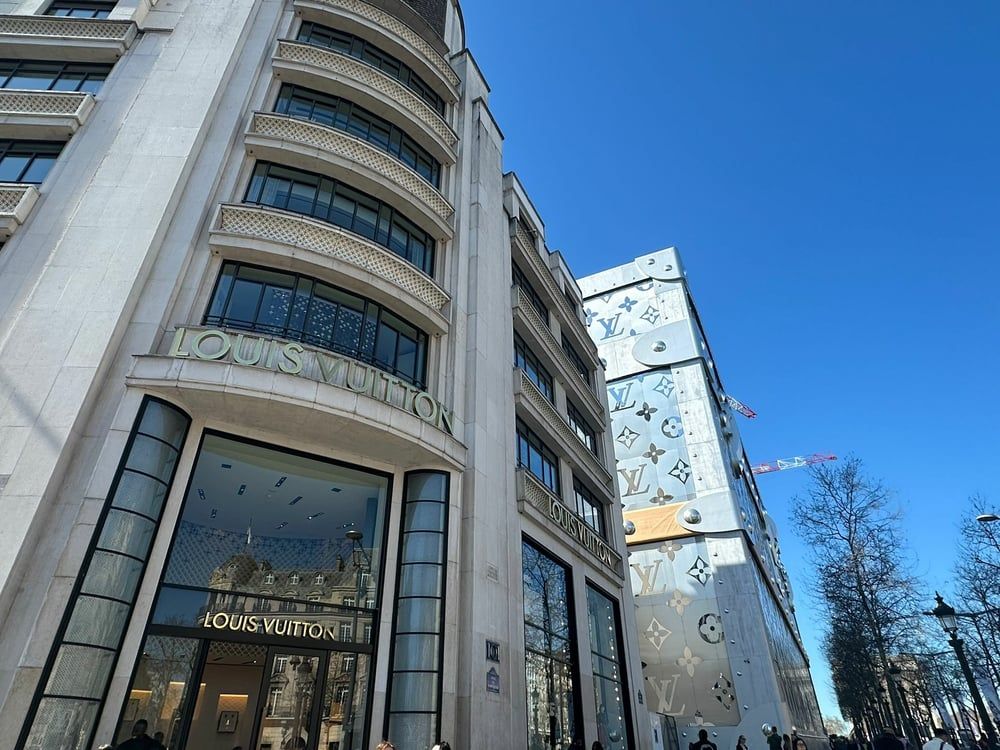
The retail landscape on the Champs-Élysées has undergone a remarkable transformation, decisively leaving behind the vacancy crisis that followed the pandemic lockdowns. Propelled by the anticipation and eventual execution of the Paris 2024 Olympic Games, the iconic Parisian avenue has seen its appeal dramatically reignited. Commercial real estate adviser Newmark reports a robust vacancy rate of just 3.5%, a figure expected to maintain its strength well into 2025 as Olympic euphoria continues to attract a wave of new international brands, spanning from high luxury to dynamic sportswear concepts.
This resurgence in activity has spurred existing and incoming retailers to innovate and strategically position themselves. According to Paris market expert Antoine Salmon, "The resurgence of activity on the Champs-Élysées has prompted several retailers to modernise their concepts, relocate or expand their space to anticipate the return of tourism and enhance the customer experience." While turnover varies significantly by brand and direct pre-Covid comparisons are challenging, brands that have invested in renovating or expanding their flagship stores are consistently reporting increased sales. Salmon acknowledges that profitability remains a complex question, but stresses that a presence on the Champs-Élysées offers an unparalleled "communications platform," effectively justifying a portion of the rent as a strategic marketing investment.
Despite the undeniable draw, establishing a presence on the "world's most beautiful avenue" remains an exclusive endeavor due to substantial investment requirements. Figures from Newmark indicate that investments consistently hover around €15,000 per square metre per year. While the Champs-Élysées may feature fewer of the colossal retail spaces found on New York's Fifth Avenue or London's Regent Street, a significant 42% of its total floor space is occupied by units larger than 1,000 square metres. This high entry barrier effectively places the avenue beyond the reach of many businesses, reinforcing its status as a premium destination.
Even with a slight dip in footfall since the beginning of the year, Newmark highlights the sustained eagerness of retailers to connect with the diverse European and international shoppers who frequent the avenue's 1.2-kilometre stretch. A significant trend observed is the dramatic shift towards luxury. Luxury brands now constitute 28% of the avenue's retail offerings, a substantial increase from less than 10% in 2017, placing them almost on par with the mass-market segment which dominated nearly half a decade ago. This luxury boom is underscored by ongoing projects, including the LVMH group's renovation of the former HSBC headquarters at 103-111, and the installation of its American jeweler Tiffany & Co. flagship at number 100.
The avenue continues to attract a prestigious lineup of new tenants. In the luxury sector, Balenciaga, part of the Kering group, is set to open at number 125, while Canada Goose, known for its high-end outerwear, is expected at 73. The sports segment is also seeing premium expansion, with Alo Yoga, a rapidly growing luxury sportswear brand, slated to occupy nearly 2,000 square metres at number 92, taking over the former Zara premises. Meanwhile, Zara, which previously used its space primarily for storage, is planning a significant expansion of its flagship store at number 74 in 2026.
Despite recent openings like Onitsuka Tiger, Polène, Restoration Hardware, and Delsey, opportunities for new entrants persist. The Newmark team points out that approximately 20 prominent brands present on Oxford Street, Regent Street, and Fifth Avenue are still absent from the Champs-Élysées. These include major players in sports (such as Puma, NBA, and Skechers) and fashion (like Mango and Uniqlo), indicating considerable potential for the avenue's retail evolution. Some of these brands are reportedly actively exploring opportunities, and others that previously departed are considering a return, drawn by the unparalleled brand visibility afforded by a flagship presence on the Champs-Élysées. Future developments, such as Icade's 5,000-square-metre project at 29-33 Avenue des Champs-Élysées, are also expected to generate significant interest.