China ends platinum tax break sparking price surge and market shift
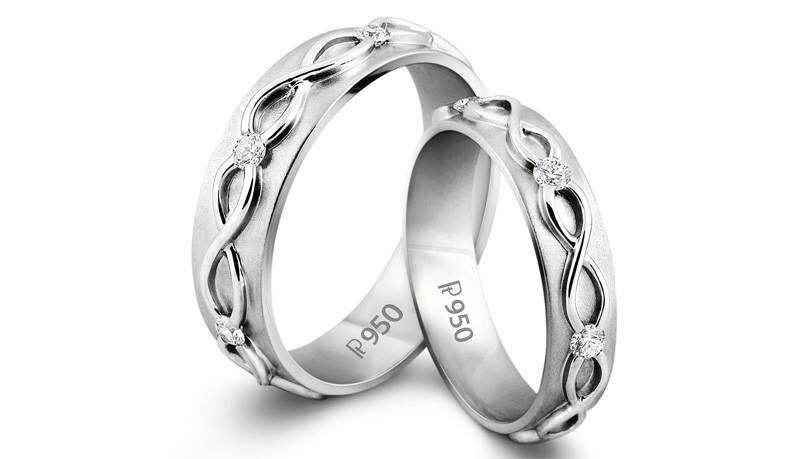
China is set to implement a significant policy shift in its platinum market, phasing out a long-standing tax rebate previously enjoyed by a state-owned enterprise. This move, effective November 1, will see the government begin collecting a 13% Value-Added Tax (VAT) on both domestically produced and imported platinum, as well as on imports of platinum jewelry. This change marks a crucial development as China Platinum Co. was previously the sole entity permitted to import the precious metal without incurring this VAT, effectively granting it a competitive monopoly in the market.
For many years, this exclusive policy positioned China Platinum Co. as the dominant player, making it challenging for other potential entrants to compete on an equal footing. Weibin Deng, regional head of Asia Pacific at the World Platinum Investment Council (WPIC), highlighted the long-standing difficulties faced by rival firms due to this preferential treatment. He stated that "Removing the VAT refund actually is quite a significant step for the platinum market in China," acknowledging the years of suffering endured by companies excluded from the exemption.
The announcement has already sent ripples through the market, with platinum prices on the Shanghai Gold Exchange surging to a premium of over 10% compared to global benchmark spot prices. This immediate jump in premiums could trigger a rush of platinum into China ahead of the November 1 deadline, as suggested by Jacob Smith, an analyst at Metals Focus Ltd. However, Smith also noted that in the longer term, the reintroduction of the tax "will inevitably weigh on flows to the country."
Despite potential short-term adjustments, the long-term outlook for the Chinese platinum industry is viewed positively by experts. Weibin Deng believes that the policy change, by creating a level playing field, will ultimately foster a more liquid and robust two-way market. This enhanced liquidity will enable industrial users of platinum to better hedge their exposure to price fluctuations, promoting greater stability and efficiency within the sector as new entrants begin trading on equal terms.
This policy change arrives at a time when platinum is experiencing robust market performance. The metal has surged approximately 77% this year, making it one of the best-performing commodities amidst global market tightness. Demand for platinum, which is critically used in catalytic converters for automobiles and various laboratory equipment, is projected to outstrip supply for the remainder of the decade, according to Bloomberg Intelligence, underscoring its strategic importance.
It's worth noting that the withdrawal of this platinum tax rebate is part of a broader set of changes by the Ministry of Finance, which also includes the removal of rebates for certain diamond transactions, coalbed methane extraction, and aircraft maintenance services. The platinum tax regulations being amended have a long history, dating back to 2003, highlighting the deep-rooted nature of the policies now being reformed.