China's Luxury Comeback: Brands Bet Big on Experiential Retail and VIP Treatment
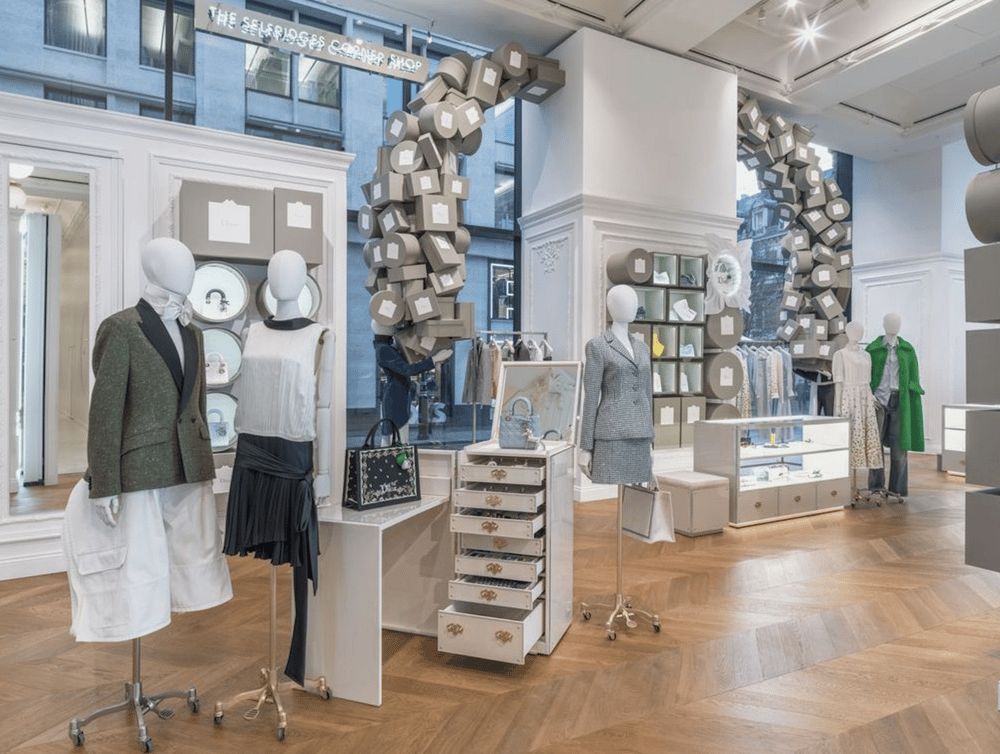
The Chinese luxury market is showing nascent signs of recovery as high-earning consumers cautiously re-engage, prompting global brands to recalibrate their strategies. Rather than chasing aggressive growth, firms are now prioritizing market share through distinctive, personalized experiences. This shift is evident in the increasing offering of intimate dinners, large-scale brand shows, and exclusive VIP services within stores, featuring private shopping areas and dedicated elevator access, all designed to appeal to economically resilient high-earners. While a post-pandemic sales slump has challenged the sector, recent earnings reports from major luxury groups have offered glimmers of hope, spurring a significant rally in European luxury stock valuations, though few anticipate a return to the unprecedented sales surge seen during the pandemic years.
Industry experts confirm this strategic pivot. James Macdonald, head of Savills research for China, notes that luxury firms have moved from "rapid expansion to improving sales per store and deepening engagement." He emphasizes that brands are actively "creating their own recovery" by underscoring value and delivering richer, more immersive experiences, rather than passively waiting for economic uplift. Despite these efforts, some brands remain realistic; Prada CEO Andrea Guerra, for instance, believes the worst is over but does not foresee a return to the exceptional growth of the past decade. Data from consultancy Bain & Co. supports this, showing that the proportion of luxury goods sold to mainland Chinese consumers now stands at around 22%, down from a peak of one-third.
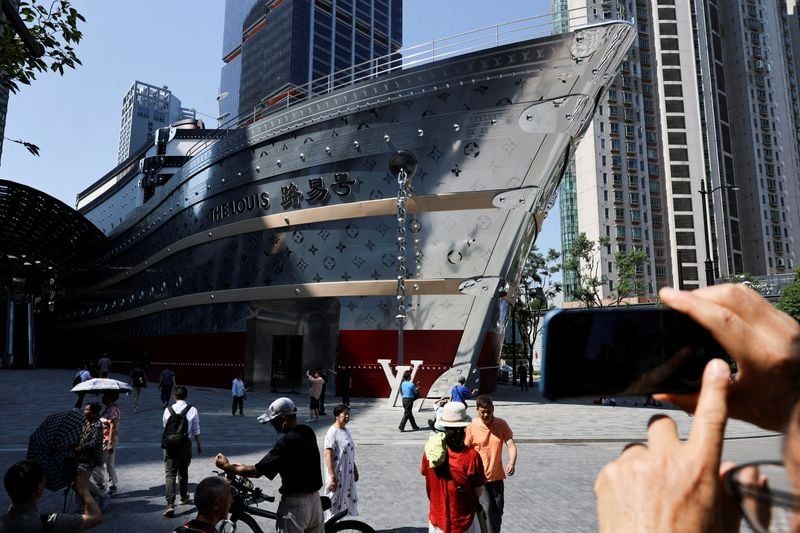
This renewed focus on experiential retail is clearly manifested in key market hubs. Nanjing Deji Plaza, China's top-performing mall in 2024 with sales of 24.5 billion yuan ($3.4 billion), has become a magnet for luxury brands, housing powerhouses like Hermes, Chanel, Dior, and Louis Vuitton. The mall, famous for its viral mirror-clad bathrooms, was chosen by Louis Vuitton for the China debut of its La Beaute line, a significant entry into the beauty sector. However, the most striking example of brands pushing the boundaries to stimulate consumption is Louis Vuitton's massive ship-shaped store, aptly dubbed "The Louis."
Opened in June, The Louis integrates high-end retail with upscale eateries and exhibition spaces, redefining the luxury shopping experience. This innovative flagship not only surpasses other Louis Vuitton stores in daily sales but also impressively draws 60% of its revenue from new clients. Its success has become a benchmark for the industry, with Zino Helmlinger, head of China retail at CBRE, observing that luxury brand executives are closely studying The Louis. "They all want their own Louis. They are forced to transform, or you're just heading toward disappearance," Helmlinger stated, highlighting the pressure for innovation. Louis Vuitton's China sales reportedly rose 5% in August compared to the previous year, with the business aiming to ensure sales do not fall for the entire year, following Bain's estimate of a 20% decline in the overall mainland China market last year.
The broader economic environment in China remains a complex backdrop. While US policies rewrite global trade, China's economic fundamentals are fragile, with Golden Week holiday data showing per-capita spending still below pre-pandemic levels. Yet, luxury earnings reports offer a nuanced optimism, partly aided by comparisons to dismal figures from a year earlier, favorable exchange rates, and a domestic stock rally. LVMH reported that its China sales "turned positive" in its most recent quarter, L'Oreal noted the market had "gone into positive territory," and Hermes observed a "very slight improvement." Bruno Lannes, senior partner at Bain in Shanghai, cautious but positive, called it "good news. Maybe too early to really declare victory, but it's a good sign," also noting that the stock rally could bolster consumer confidence among luxury's target demographic.
Indeed, high-net-worth individuals appear increasingly resilient to economic headwinds. Sophia Liu, an education company CEO, recently indulged in a Burberry coat, Fendi scarf, and Louis Vuitton items, expressing that while economic and geopolitical uncertainties persist, they less frequently impact her major spending decisions. "I think people in China have gotten more used to uncertainty overall," she commented, citing a positive sentiment among her friends in the recently IPO-listed technology industry. Looking ahead, Jacques Roizen, managing director of China consulting at Digital Luxury Group, predicts that luxury brands which invested strategically during the downturn are poised to gain market share as spending stabilizes. In a market that is now essentially flat, brand performance will no longer be driven by overall growth, but rather by "optimisation and innovation" to capture share from competitors.