Chinese Gold Jewelry Brands Spark Investor Frenzy Fueled by Heritage Craftsmanship
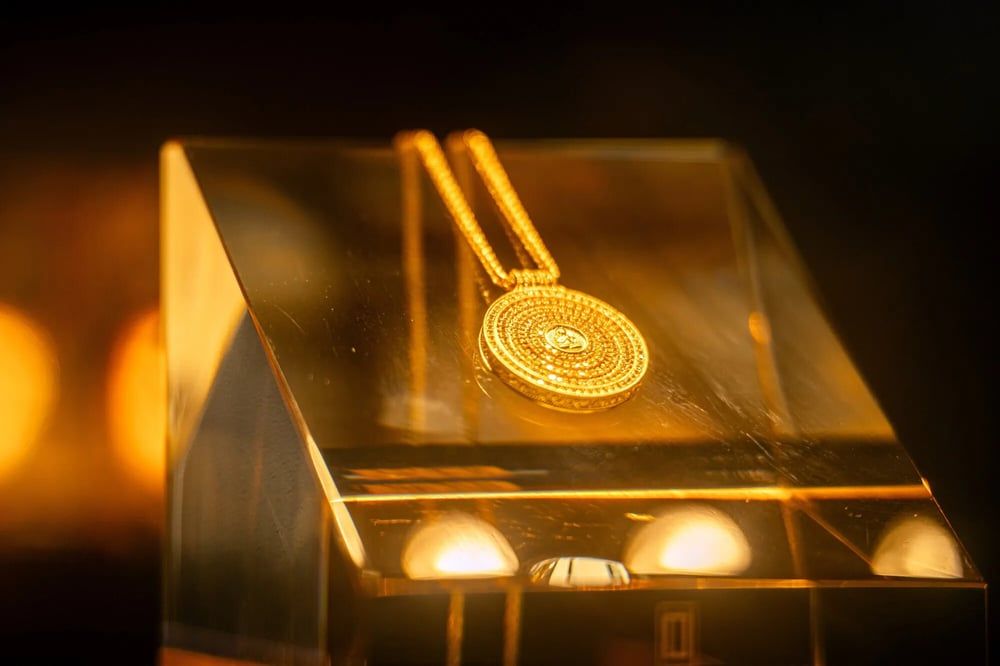
A new wave of Chinese gold jewelry brands is rapidly capturing investor attention, largely spurred by the remarkable success of Laopu Gold Co. This burgeoning interest highlights a shift in the luxury market, as domestic labels specializing in traditional craftsmanship demonstrate significant growth potential and profitability in China's dynamic consumer landscape.
Among these rising stars is Borland, a Hangzhou-based gold jeweler renowned for its mastery of "filigree," an intricate traditional Chinese goldsmithing technique. The company recently announced it has successfully raised over 100 million yuan (approximately $14 million) in funding. Notable investors include Kering Ventures, the startup investment arm of luxury conglomerate Kering SA, and Shunwei Capital, a prominent Chinese venture capital firm co-founded by Xiaomi Corp. chairman, billionaire Lei Jun. Kering articulated its interest by stating that this minority stake allows it to "participate in the development of a rapidly growing brand in the particularly buoyant 24-karat gold jewelry segment."
In a parallel development, Dayone Capital recently unveiled a strategic investment exceeding 100 million yuan in Lamchiu. Based in Lanzhou, a city in northwest China, Lamchiu specializes in crafting exquisite hand-made bespoke gold pieces. These significant investments underscore the mounting confidence in the "heritage gold" sector, which is defined by gold jewelry deeply rooted in Chinese culture and traditional artisan techniques, such as the filigree work perfected by Borland.
The catalyst for China's current high-end gold jewelry boom can be directly attributed to the unexpected surge of Laopu Gold. This brand has effectively defied the generally weaker performance observed among Western luxury rivals within the Chinese market. Laopu's financial figures are compelling: its revenue in the first half of 2025 skyrocketed by over 250% year-on-year to an impressive 12.4 billion yuan, building on a robust 168% sales growth recorded the previous year.
Richard Lin, a consumer analyst with SPDB International Holdings Ltd., commented on this phenomenon, stating, "Laopu has shown the market that this niche sector can continue to break out, and rising gold prices also help lift the overall buzz." He added, "The rising investment and financing enthusiasm for the heritage gold segment is clearly driven by confidence in the category’s long-term growth potential." This segment, with its distinctive cultural appeal and traditional artistry, is proving to be a formidable contender in the luxury arena, with Laopu's stores in top-tier malls increasingly attracting and even threatening the clientele of established international luxury brands like Hermès International SCA and Richemont-owned Cartier.
Despite their significant investment traction, newer brands like Borland and Lamchiu currently maintain a relatively limited physical retail footprint. While both have established official stores on major e-commerce platforms such as Alibaba Group Holding Ltd.’s Tmall and JD.com Inc., their brick-and-mortar presence is still in its nascent stages. Borland currently operates just three mall outlets, and Lamchiu, despite boasting over 1 million followers on ByteDance Ltd.’s TikTok-like Douyin, has only a single storefront in Lanzhou.
The recent capital injections are poised to address these growth areas. Borland has announced plans to utilize its new funding to significantly expand its distribution network and bolster its supply chain resilience. Similarly, Dayone Capital has formed a dedicated team to assist Lamchiu with comparable strategic initiatives, focusing on scaling operations and enhancing market reach. These moves signal an aggressive push by these heritage gold brands to solidify their market position and capitalize on the flourishing demand for culturally rich and traditionally crafted luxury jewelry in China.