Christmas Footfall Rises Steadily Ahead of Peak Shopping Week

Festive footfall in the UK is starting to show significant growth, suggesting an optimistic outlook for retailers as the Christmas season reaches its peak. Data collected by Sensormatic Solutions and MRI Software for the week leading up to Christmas indicate a steady build in shopper traffic, despite a mixed start to the peak trading period and continued consumer caution.
According to Sensormatic’s ShopperTrak Analytics, footfall increased by 4.4% during the latest weekend (December 13-14) compared to the week before. Overall shopper counts for the entire week (December 8-14) also saw a rise of 3.6% from the prior week (December 1-7). However, footfall across Saturday and Sunday remained lower than the previous year, with declines of 5.7% and 5.4% respectively year-on-year.
Despite the year-on-year decline in footfall, consumer spending appears resilient. Nationwide figures suggest UK shoppers were expected to make 20.6 million transactions over Friday and Saturday of that weekend, which is 6.39% higher than the previous year. Within the weekend data, Sunday emerged as the top performing day for store visits, with shopper counts jumping 5.7% on the prior week, and high streets experiencing a notable boost of 12%.
Andy Sumpter, EMEA Retail consultant at Sensormatic Solutions, noted that retailers would welcome the "tempered but steady build in festive footfall" after concerns that consumer caution might dampen Christmas spending. Looking ahead, Sensormatic predicts that "Super Saturday" (December 20) will be the single busiest day of the entire peak trading season, with 10.7 million transactions anticipated as shoppers finalize their Christmas purchases. Sumpter expressed hopes that this momentum continues to build towards the "Christmas crescendo."
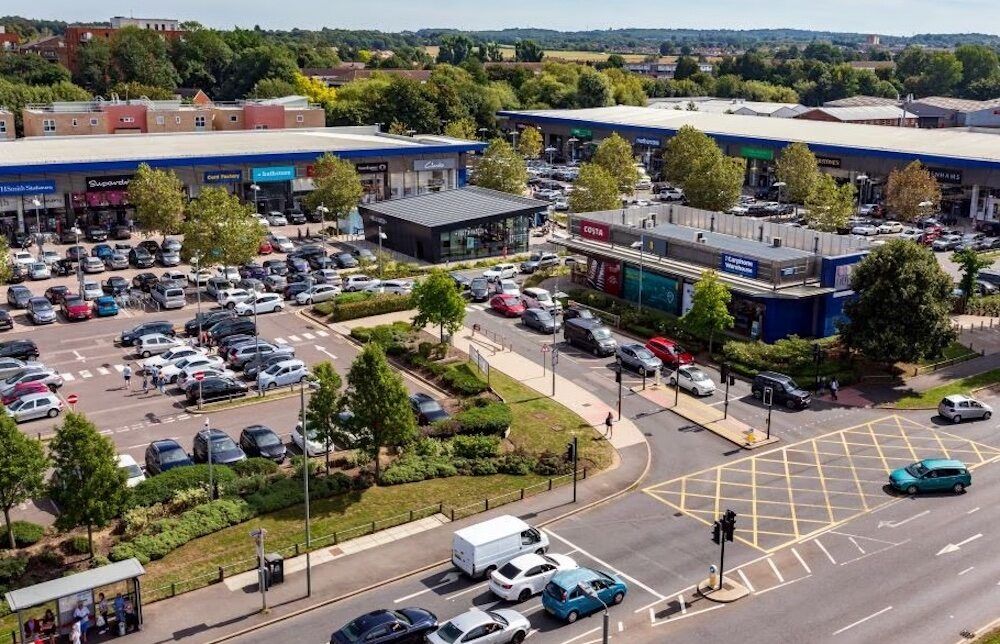
Separate data from MRI Software also reflected a strong performance for the week ending December 14, with retail footfall rising 3.1% across all UK destinations compared to the previous week. This growth was primarily driven by high streets, which saw a 5% increase in visits, and shopping centres, which experienced a 2.2% uplift. Retail parks, however, remained flat week-on-week.
MRI data further detailed significant daily fluctuations during the week, largely influenced by weather conditions. Declines were recorded on Sunday (-9.7%) and Tuesday (-6.2%) due to poor weather. However, footfall rebounded strongly as conditions improved, with visits jumping 10.7% on Monday and 11.5% on Thursday. This strong high street activity, particularly on Thursday, suggests that festive events, attractions, and parties contributed to drawing visitors in.
In terms of regional performance and year-on-year comparisons, Central London footfall demonstrated remarkable strength, rising 4.2% week-on-week and 7.1% year-on-year. In contrast, historic and market towns recorded annual declines of 3.3% and 3% respectively. Overall, footfall remained 0.5% lower compared to the same week last year, a figure largely influenced by drops in shopping centre visits (-3.1%) and retail park visits (-1.6%). High streets bucked this trend, registering a growth of 1.3% year-on-year.