Coty's Beauty Business Sale Faces Hurdles Amidst Declining Sales and Aging Brands
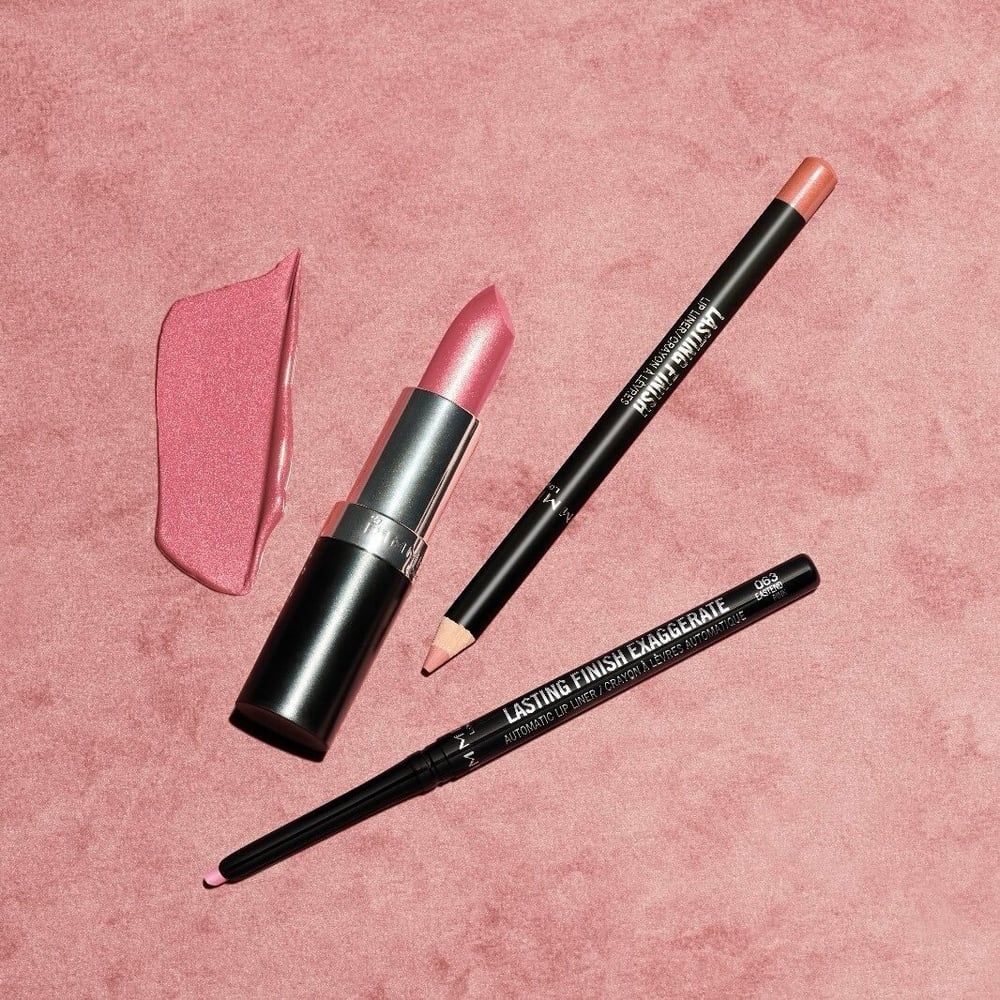
Coty is currently undergoing a strategic review of its mass-market Consumer Beauty business, a move analysts suggest is a crucial step to reduce the company's substantial debt, reverse declining cash flow, and sharpen its focus on more profitable fragrance segments. However, industry observers are cautioning that the division's ageing brands and consistent sales declines could significantly limit its valuation and complicate any potential sale or spin-off, potentially leading to lower-than-expected proceeds and hindering Coty's broader plans for deleveraging and growth.
The Consumer Beauty segment, which includes well-known brands like CoverGirl and Rimmel, generates approximately $1.2 billion in annual revenue but has been steadily losing market share. This decline is attributed to a struggle against competitors boasting faster innovation cycles, more accessible price points, and a stronger presence in online, social-media-driven channels. Morningstar analyst Dan Su highlighted the challenge, noting, “It’s hard for these brands because they don’t look new to today’s consumers. And newness is important, especially in color cosmetics.”
Barclays analysts have labeled the division a “tough asset to sell,” estimating its potential worth between $690 million and $950 million. The sales figures underscore this difficulty; Coty’s Consumer Beauty business reported an 8% drop in sales for the year ended June 30, with Morningstar projecting another high-single-digit percentage decline this financial year. Bank of America analyst Anna Lizzul further described it as a “melting iceberg situation,” attributing Coty’s slower innovation to its in-house manufacturing, contrasting with agile competitors like Elf Beauty that leverage third-party producers.
The market has recently shown a strong appetite for smaller, rapidly expanding brands, as evidenced by Elf Beauty’s $1 billion acquisition of Hailey Bieber’s Rhode line and L’Oréal’s estimated $1 billion purchase of the vitamin A-based skincare brand Medik8. While private equity firms might show interest, mirroring KKR’s 2020 acquisition of a majority stake in Coty’s Wella professional and retail haircare business, some analysts predict a fragmented sale process. Michael Ashley Schulman, partner and CIO at Running Point Capital Advisors, anticipates “piecemeal deals rather than a one-shot sale,” naming private equity firms Permira and L Catterton as potential suitors, though Coty declined to comment on speculation.
This strategic review signifies Coty’s ongoing transformation since its significant $12.5 billion acquisition of Procter & Gamble’s perfume, haircare, and makeup businesses in 2015. With the divestiture of haircare (Wella) already completed, the potential sale of consumer cosmetics would cement fragrance as Coty’s primary focus. Its newly combined fragrance division now accounts for a substantial 69% of Coty’s sales and is performing considerably better than its consumer cosmetics, with categories growing between 2% and 9%.
However, the fragrance division is not without its challenges. It heavily relies on licenses, with approximately 14% of these set to expire within the next three and a half years, according to Bank of America. Notably, the blockbuster license for Gucci fragrances, which analysts believe extends until 2028, generates about $500 million annually—nearly double Coty’s free cash flow of $277.6 million in its last financial year. Selling the makeup business could therefore provide much-needed capital to invest in the core fragrance segment.
Beauty industry veteran Alfonso Emanuele de Leon, a partner at FA Hong Kong Consultancy, believes Coty’s strategic review is long overdue. He remarked, “It would have probably helped to do this strategic review 10 years ago,” particularly when it became clear the fragrance market was shifting towards conceptual and experiential brands. Competitors like L’Oréal, Estée Lauder, and Puig have already made significant investments in niche and regional brands, including Chinese fragrance brands To Summer, Documents, Melt Season, and Sweden’s Byredo. De Leon emphasized that while Coty can still make these necessary acquisitions, the cost will be higher, and it risks being “too late because the wave has already reached the shore.”