Courrèges and Dries Van Noten Designers Masterfully Blend Legacy with Modern Vision
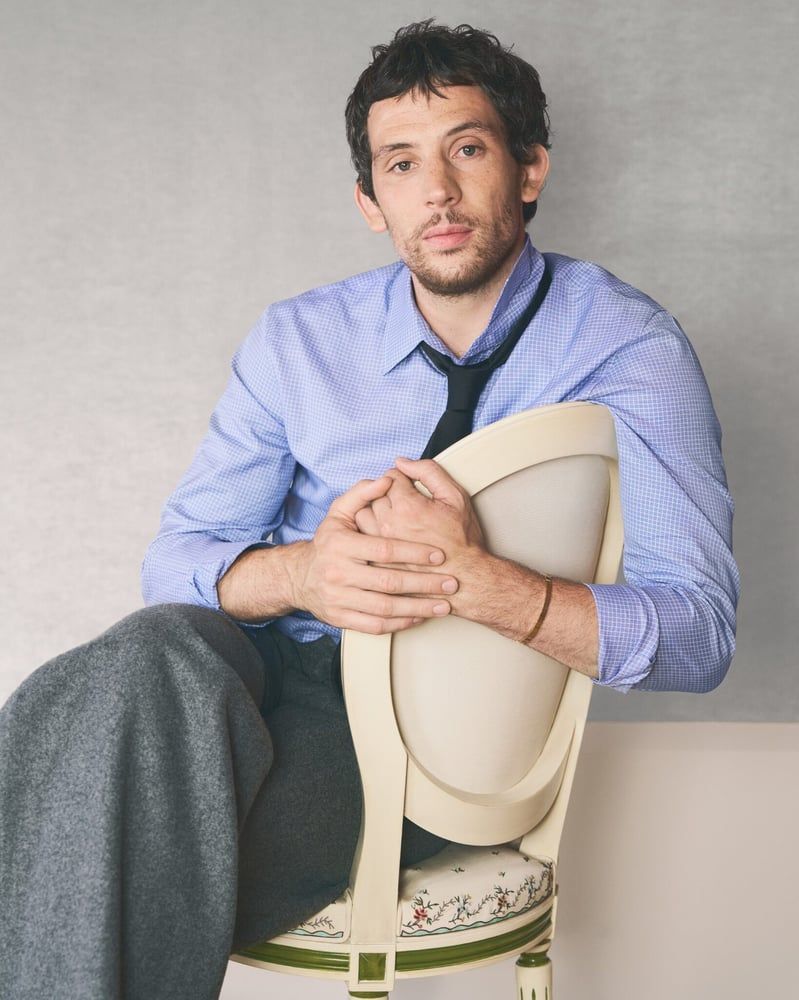
Two emerging yet seasoned designers, Nicolas Di Felice for Courrèges and Julian Klausner for Dries Van Noten, have offered compelling demonstrations of how to craft distinctive fashion while honoring the legacy of revolutionary house founders. Both share the prestigious La Cambre in Brussels as their alma mater, a testament to their foundational training.
Nicolas Di Felice, in particular, stands out for his exceptional self-editing, delivering a Courrèges show that served as a masterclass in precision, punch, and polish. His latest presentation began with a signature bright white set, a perfect circle nestled within a 19th-century wrought iron market. This minimalist backdrop was dramatically intensified by uber-bright overhead lighting, reminiscent of a scene from "Squid Game," prompting Courrèges to thoughtfully provide all-black sunglasses with each invitation for protection. Di Felice explained his concept: "I was thinking of blinded by the sun in the sense what is true and what is fake. Too much information. It’s all a bit overwhelming. That’s where I started.” Kering chairman François-Henri Pinault, whose empire includes Courrèges, was seen embracing the designer with a beaming smile post-show.
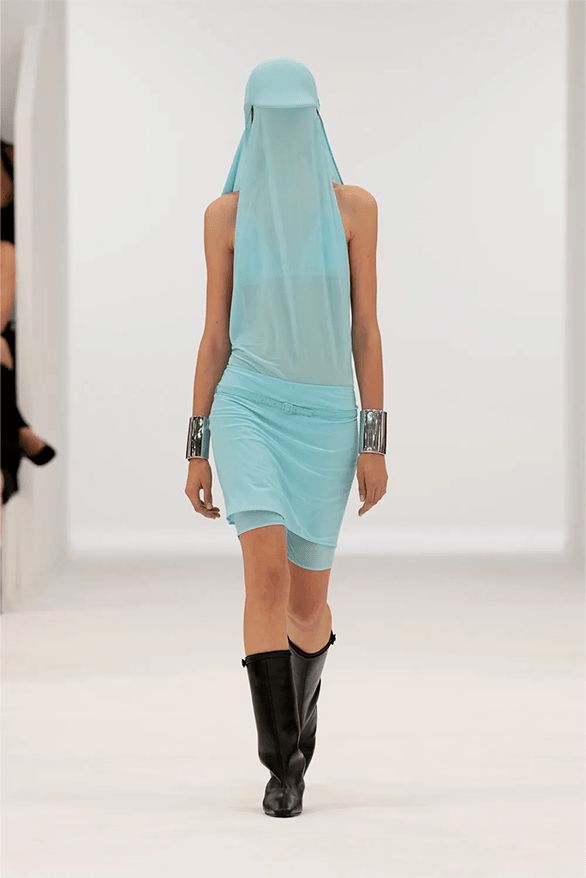
The collection opened with striking, cold icy blue looks featuring tight silhouettes and models with veiled faces, symbolically shielding them from the intense light. As the show progressed, the collection gradually softened, incorporating a majority of natural fabrics alongside lean-and-mean leathers. This ensured that despite the neat and strict lines, the garments maintained a sense of comfort. Di Felice brilliantly played with André Courrèges' iconic DNA, particularly his '60s innovations, but with courageous originality. A standout example was his ingenious reinterpretation of André’s signature miniature belts, artfully transforming scores of tiny belts into multiple sophisticated cocktail creations.
Accessories played a vital role, with flat shoes, glove-like sling-backs, and transparent boots all exuding a remarkable zest, matched by the compelling soundtrack. The audio featured churning galactic funk, co-composed by Nicolas and Erwan Sene, interspersed with a French female voice sensually announcing the hourly temperature. The show culminated in a series of futuristic dresses incorporating oblong sun shield shapes, ingeniously borrowed from cars. While futurism, pioneered by André Courrèges, can sometimes appear clichéd today, Di Felice consistently imbues it with an essential optimism and belief in the future it ought to represent.
Since joining Courrèges in 2020 from Louis Vuitton, Nicolas Di Felice has profoundly revitalized the brand, transforming its runway presentations into some of fashion's most anticipated events. His shows now attract thousands of screaming fans, making Courrèges, while not a colossal house, undeniably the hottest within the Kering/Artemis luxury portfolio. Di Felice's singular vision, supported by shrewd management that grants him creative autonomy, is the primary driver of this remarkable success.
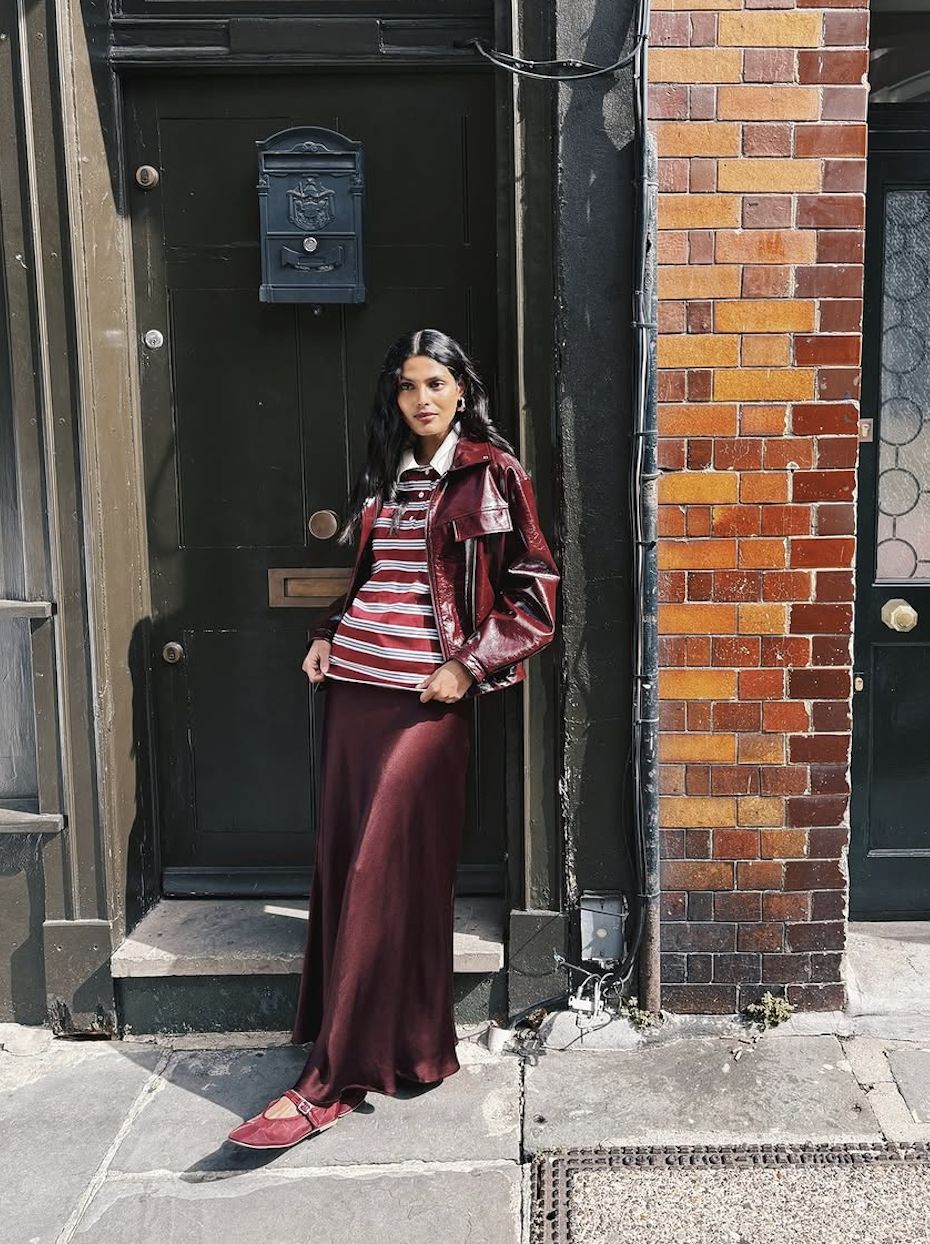
Meanwhile, at Dries Van Noten, Julian Klausner's latest show evoked a distinctly Scandinavian aesthetic, with prints bearing a striking resemblance to Verner Panton’s 1970s designs or even Marimekko’s color palettes of the past decade. While undeniably pleasing to the eye, there was a sense of familiarity. Nonetheless, Klausner delivered a highly polished performance for his women’s collection, expertly blending street style, luxurious fabrics, and ladylike twists—a quintessential Dries Van Noten approach.
Staged within an utterly unadorned art space at the Palais de Tokyo, save for 400 Louis XVI chairs and the attending guests, the focus was squarely on the garments. The collection prominently featured an array of small jackets, inspired by surfer silhouettes and wetsuit shapes, yet elevated with delicate pleats, ruffles, and vibrant hues. Crafted in light, airy colors such as lime, lichen, pale gray, and canary yellow, these pieces radiated an undeniable charm. Post-show, Klausner, an ex-Maison Margiela staffer, described the collection as "Joyful, optimistic… Like the '60s was," in a group chat. He concluded by embellishing shoes, sleeves, collars, and T-shirts with strass and crystals, creating a shimmering effect reminiscent of light on the sea.
Respecting Dries Van Noten's rich tailoring heritage, Julian Klausner presented several magnificent nobleman's coats, characterized by soaring collars, angled pockets, and majestic proportions. These were rendered in captivating broken disk or tropical leaf prints, exuding a very "posh Panton" vibe, though again, a touch too familiar. Following his stellar menswear collection in June, this particular women's presentation felt like a slight step back. However, it remained highly competent, affirming that the legacy of Dries Van Noten is indeed in very safe hands.