Crocs Finds Joy in China's "Emotional Consumption" Boom
Crocs Inc., the distinctive perforated clogs, has made a surprising resurgence in China, becoming a shoe of choice for the nation's discerning hipsters. This unexpected comeback offers critical lessons for Western companies grappling with how to effectively engage young consumers in China's vast yet challenging $7 trillion market, where economic confidence has been noticeably dented.
China's uneven economic landscape, characterized by robust exports but sluggish domestic spending following a property market downturn, has inadvertently fostered a phenomenon known as "emotional consumption." This trend mirrors the "lipstick index," a concept coined by cosmetics mogul Leonard Lauder, where consumers opt for small, affordable indulgences to boost morale during times of economic insecurity. In China, this concept has materialized into a thriving industry, exemplified by local giants like Pop Mart International Group Ltd., Laopu Gold Co., and Luckin Coffee Inc. Intriguingly, Crocs stands out as one of the few American brands successfully tapping into this emotional consumption play, a notable achievement in a country frequently at odds with Washington over trade and increasingly prioritizing cultural authenticity in its purchases. This strategy has paid dividends, with Crocs’ China sales surging over 30% in the most recent quarter, while its North American revenues dipped by 6.5%.
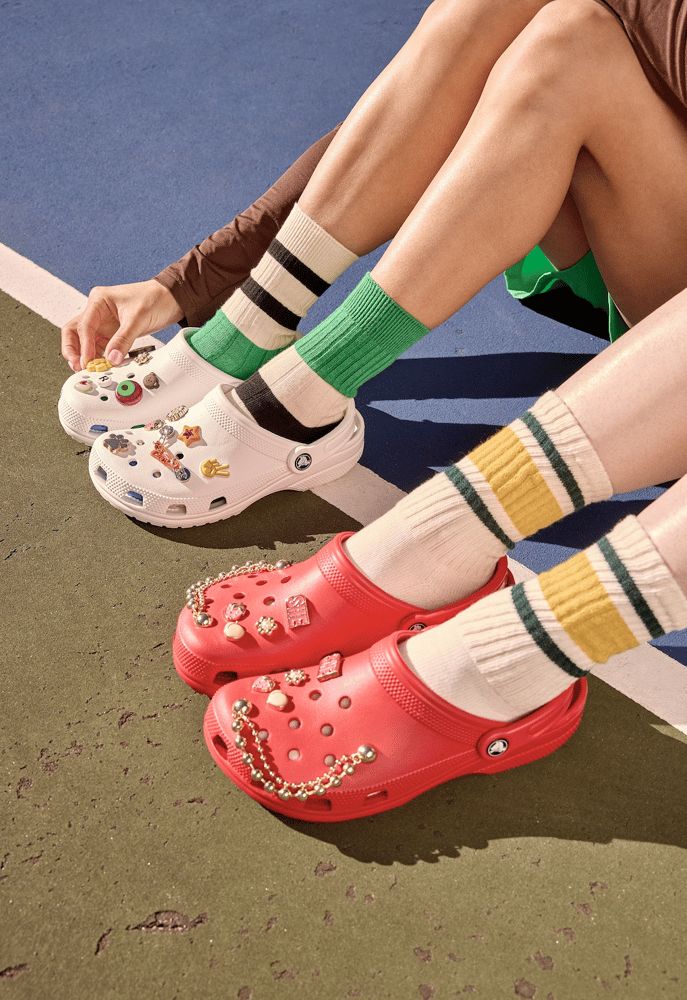
Amid rising youth unemployment and a prolonged economic downturn, Chinese consumers are shying away from big-ticket purchases but actively seek instant "dopamine kicks." This craving manifests in activities such as opening blind boxes containing cute toys or exploring creative beverage flavors. Crocs has masterfully positioned itself to capitalize on this desire. The ability to personalize the clogs with a diverse array of shiny charms, ranging from fried chicken to beloved cartoon characters, significantly enhances their individuality, especially when shared across social media platforms. Furthermore, Crocs has executed such deep localization in its advertising and choice of spokesmodels that many consumers are genuinely unsure of the brand's origins, with "Why are Crocs so expensive?" and "Where is it from?" being top associated search terms.
Allison Malmsten, a director at Daxue Consulting, highlights that Chinese consumers possess a fondness for anything "dorky, cheesy, or fun." What was once marketed as an "ugly" shoe has now become central to its appeal. Embracing unconventional footwear allows wearers to subtly challenge norms and assert their independence. For decades, Western enterprises thrived on the seemingly endless growth of Chinese consumerism. However, with economic deceleration and the rise of formidable domestic competitors, many of these foreign firms have lost their competitive edge. Crocs, however, has managed to defy this trend after overcoming years of internal and external challenges.
Crocs' journey in China began in 2006 through a distributor, experiencing initial success before entering a protracted fallow period compounded by difficulties in its home market. A strategic turnaround commenced approximately five years ago, notably coinciding with the recruitment of acclaimed actress Yang Mi as a brand ambassador. This trajectory offers valuable lessons for other international retailers. In contrast, Starbucks Corp., which entered China seven years before Crocs and pioneered mass coffee culture, flourished for much of its quarter-century run. Yet, smaller, more agile rivals like Luckin Coffee eventually outpaced Starbucks by offering lower prices and greater innovation, dethroning it as the top coffee seller two years ago. Critics have pointed to a former China chief's overreliance on Western strategies and reluctance to tailor offerings for the local market as key missteps.
The luxury sector is also making significant efforts to engage Gen Z shoppers. LVMH Moët Hennessy Louis Vuitton SE, the world's largest luxury goods retailer, saw sales in the region encompassing China grow rapidly in 2023 after pandemic controls were lifted. However, revenues subsequently flatlined a year later as insecure consumers began to eschew high-end goods. To counter this, LVMH launched "The Louis" this summer, a three-story, cruise-ship themed pop-up exhibition in Shanghai. This experiential fashion store has garnered considerable attention from live streamers and generated significant brand buzz, with visitors praising its "East-Meets-West" fusion elements. Like their global counterparts, young Chinese prioritize experiences, though current economic realities limit their spending capacity. The hope remains that when bank accounts are fuller, these consumers will return to luxury.
China continues to be the world's second-largest retail market. The overarching lesson for foreign companies seeking sustained success is the critical importance of localizing operations as extensively as possible. Crocs' recent triumphs demonstrate that not all Western retailers have lost their touch in this dynamic and often unpredictable market, proving that strategic adaptation is paramount.