Designer Brands Sales Slip But CEO Highlights Sequential Improvement
Designer Brands Inc., the Ohio-based parent company behind well-known retail chains such as DSW Designer Shoe Warehouse, The Shoe Company, and Shoe Warehouse, recently announced its financial results for the second quarter ended August 2. The company reported a 4.2% decrease in net sales, achieving a total of $739.8 million for the quarter.
Delving deeper into the performance metrics, comparable sales for the period saw an overall decline of 5%. This downturn was observed across various segments, with the U.S. retail segment experiencing a 4.9% decrease, while Canada retail showed a more modest decline of 0.6%. A more significant impact was felt in the Brand Portfolio segment’s direct-to-consumer channel, which saw a substantial plunge of 29.2%.
Despite the sales challenges, Designer Brands posted a net income of $10.8 million, translating to $0.22 per diluted share. On an adjusted basis, the company reported a net income of $16.7 million, or $0.34 per diluted share. Gross profit for the quarter was recorded at $322.9 million, down from $339.5 million in the prior year, with the gross margin slightly slipping to 43.7% compared to 44% last year.
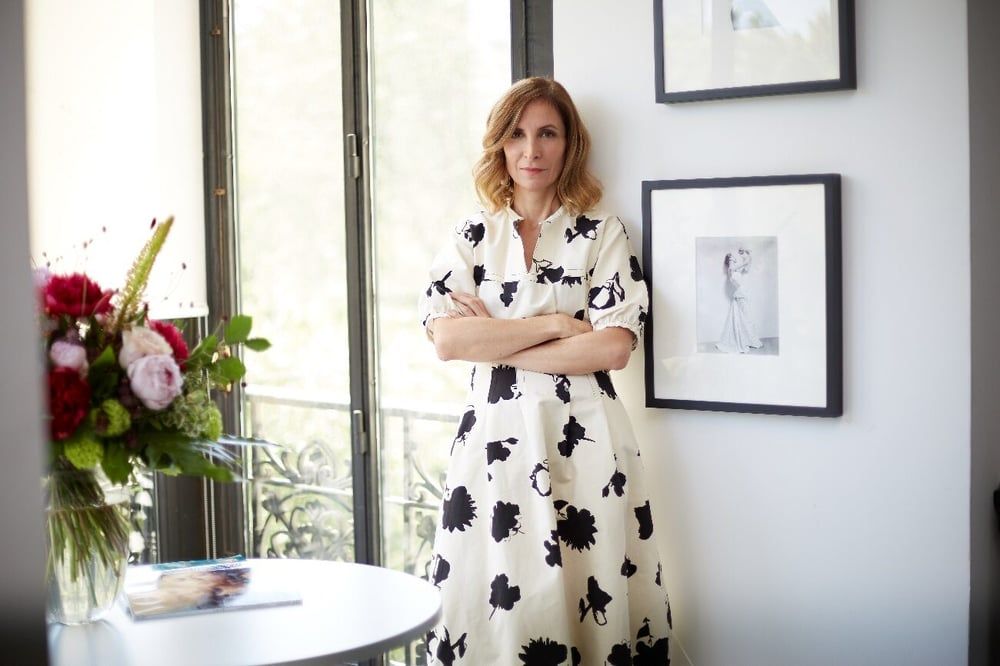
Doug Howe, chief executive officer of Designer Brands, commented on the results, highlighting a positive sequential improvement. He noted, "Our second quarter results were highlighted by a 280-basis point sequential improvement in comparable sales from the first quarter, underscoring the impact of our targeted operational initiatives." Howe further explained that these initiatives were instrumental in supporting a robust start to the back-to-school season within the U.S. Retail segment, alongside gradual improvements in traffic and a noticeable increase in conversion rates.
Looking ahead, the company is focused on strategic efforts to bolster its position. Howe stated, "We anticipate our ongoing efforts to strengthen our brand, drive awareness through investments in marketing, and optimize our omni-channel model will continue to support our transformation.” These initiatives aim to build a more resilient and competitive business model in the long term.
However, Designer Brands opted not to provide a full-year outlook, citing prevailing economic uncertainties. Howe elaborated on this decision, stating, "While consumer sentiment has ticked up slightly, given the ongoing macroeconomic volatility with recent extended tariff increases and caution in discretionary spending, there is still a notable amount of uncertainty."
Despite the challenging external environment, the company remains steadfast in its commitment to controlled execution. Howe concluded, "That said, we remain committed to disciplined execution in those areas within our control as we navigate the near-term environment while continuing to build a stronger, more sustainable business for the future.” This underscores the company's focus on internal strengths and strategic adjustments to navigate economic headwinds.