Elf Beauty Shares Tumble on Lowered Forecast Amid Tariff and Consumer Spending Woes
Elf Beauty recently faced a significant setback as its shares plummeted by 26% in extended trading after the company issued a fiscal 2026 forecast for annual sales and profit that fell below Wall Street's projections. This downturn is primarily attributed to escalating tariff costs and a landscape of increasingly cautious consumer spending. The cosmetics giant also disclosed that its second-quarter sales missed expectations, a further blow following its decision to pull its fiscal 2026 forecast in May.
A major contributing factor to the company's financial strain is the anticipated impact of higher U.S. tariffs on imports. Elf Beauty estimates these tariffs will result in over $50 million in additional annual costs for fiscal 2026, a substantial burden given that approximately 75% of the company's global production is based in China. The effects were already visible in the quarter ended September 30, where the gross margin declined by about 165 basis points to 69%, directly impacting profitability.
Industry analysts have weighed in, with eMarketer's Rachel Wolff noting that tariffs have severely eroded Elf's margins. Wolff also highlighted the company's growing reliance on the Rhode brand, acquired earlier this year from Hailey Bieber, as sales for its namesake Elf brand begin to decelerate. Amidst these challenges, Elf has been actively pursuing tariff mitigation strategies, including streamlining its supply chain and diversifying operations. These efforts are crucial as lower-income shoppers, grappling with economic pressures, are increasingly seeking more affordable alternatives and cutting back on non-essential purchases like makeup and skincare.
Despite the broader sales miss, Elf Beauty's quarterly adjusted earnings per share did manage to surpass estimates, reaching 68 cents against expectations of 57 cents. This positive outcome was largely buoyed by $1 price increases implemented in August, though the company has stated it is not planning any further price adjustments. However, the overall quarterly sales figure of $343.9 million still fell short of the anticipated $366.4 million, underscoring the ongoing sales challenges.
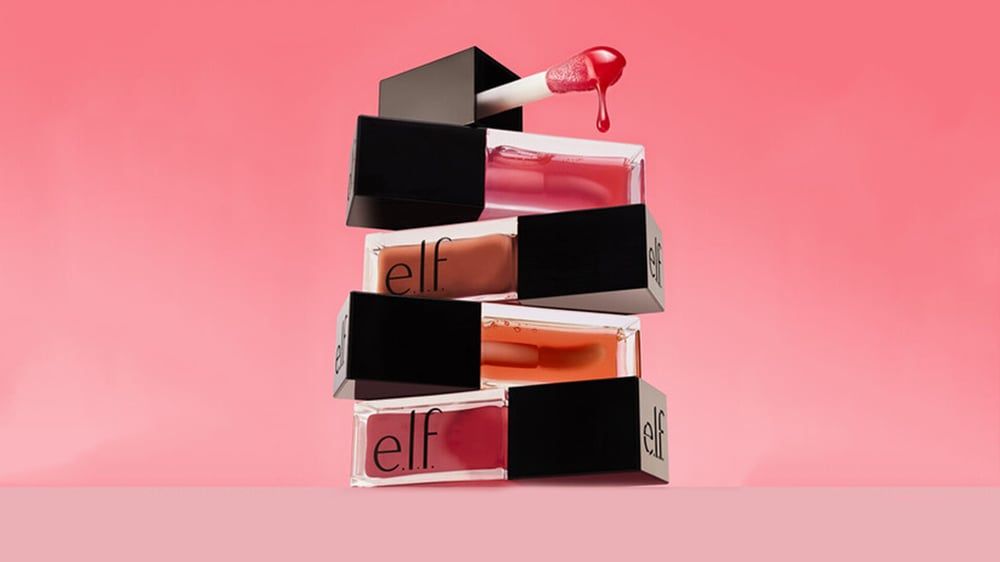
CEO Tarang Amin shed light on the innovation landscape, explaining in an interview with Reuters, "From a marketing standpoint, we had some massive launches last year... we feel great about our innovation this year, but it's not as big as the lip oils were last year." This reflects a challenging comparison to the previous year, when Elf rode a wave of popularity driven by its lip oils, which launched in 2023 and achieved significant traction and social media virality in early 2024, propelling the company's shares to a record high.
Looking ahead, Elf Beauty now projects full-year net sales to be between $1.55 billion and $1.57 billion, a notable downgrade from analysts' estimates of $1.65 billion, according to LSEG data. Similarly, the company's adjusted profit forecast stands in the range of $2.80 to $2.85 per share, significantly below the estimated $3.58 per share, painting a conservative outlook for the fiscal year as it navigates the persistent headwinds of tariffs and evolving consumer spending habits.