EU Mandates Producer Responsibility for Textile Waste as UK Germany and France Revamp Recycling Strategies
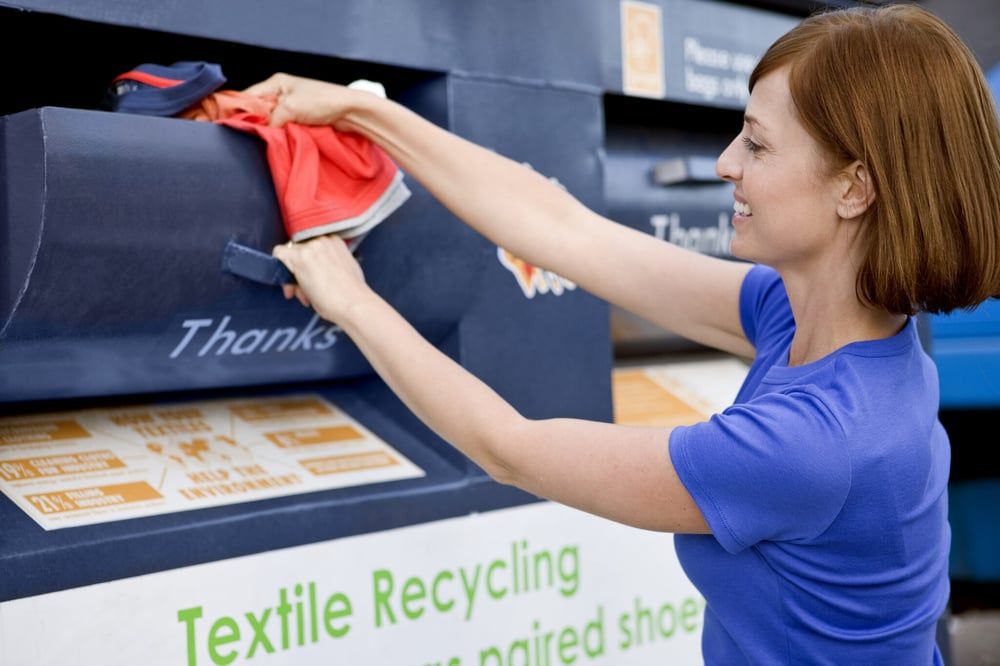
The European Union is set to implement its Extended Producer Responsibility (EPR) regulations for the food and textiles industries on October 16. This significant development will obligate apparel brands and manufacturers to bear the financial burden associated with the collection, sorting, and recycling of textile waste. The timing of these new regulations coincides with a challenging period for European textile waste collectors, who are currently struggling to find viable outlets for the materials they gather. In response to this dual pressure, the United Kingdom, Germany, and France are actively developing or re-evaluating their respective national strategies for textile waste management.
In the United Kingdom, a proactive step has been taken by the Fashion & Textile Association (UKFT), which recently unveiled its comprehensive National Textile Recycling Infrastructure Plan. This ambitious 10-year initiative aims to establish a robust national network dedicated to the collection and recycling of textiles and clothing. The overarching objective is to effectively manage the staggering three million tons of textiles discarded annually across the country, ensuring they reach their appropriate end-of-life destinations. The UKFT's efforts will be bolstered by support from the Circular Fashion Innovation Network and the governmental agency UK Research and Innovation. The plan identifies four core priorities essential for its success: substantial investment in infrastructure, development of a skilled workforce, advancement in technology, and expansion of market capacity. It specifically highlights the urgent need for more automated sorting and pre-processing facilities, alongside pioneering innovations in fibre-to-fibre recycling techniques and more efficient logistics systems. Adam Mansell, CEO of UKFT, underscored the plan's urgency, stating, "The National Textile Recycling Infrastructure Plan is a call to action. By aligning investment, skills and innovation, the UK can cut waste, reduce environmental impact and create new economic value in textiles for decades to come."
Germany's textiles, apparel, and footwear industry associations have collectively embarked on a collaborative journey to formulate their own national strategy for textile waste collection and recycling. Their initial and primary concern is to prioritize the meticulous separation of natural and synthetic materials. This is crucial because these two material types present distinct recycling challenges, often requiring different processes, whether chemical or mechanical, and are frequently found in blended fabrics. Beyond the immediate act of recycling, these German industry associations have also set priorities to closely monitor the textile-apparel market, leveraging gathered data to inform consistent planning for products nearing the end of their useful life. They further emphasized the importance of developing robust structural arrangements for all companies that will be involved in the new system and ensuring that consumers receive accurate and helpful information. This collective endeavor is set to benefit significantly from the expertise of key organizations including HDE (Germany's retailers association), BTE (textiles, apparel, and footwear association), BIS (association of footwear and leather apparel producers), Textil+Mode (representing specialist trades in the textile-apparel sector), and Texoversum (the educational body for the apparel and footwear industries).
Meanwhile, France, which established its dedicated national organization Refashion in 2008, is grappling with how to evolve its existing system amidst new challenges. The country's textile waste collection, sorting, and recycling industry has recently seen many of its long-standing outlets effectively shut down, overwhelmed by the influx of cheap Asian products. As a result, the French government is currently re-evaluating Refashion's institutional future. The issue is anticipated to be brought before the Conseil d’État, a governmental body that acts as a legal adviser to the executive, before the end of the year. However, the industry harbors concerns that France's current political instability may lead to delays in any definitive decision regarding Refashion. A more immediate and pressing issue arose when the Ministry for Ecology bypassed industry-level discussions. In July, the government unilaterally announced an increase in state aid for collected waste, rising from €156 per ton in 2024 to €228 per ton in 2026. This announcement was explicitly designed to de-escalate a conflict between Le Relais, France’s largest waste-collection organization, and Refashion, which is responsible for transferring state aid to waste collectors. Le Relais had recently ceased processing discarded clothes, strategically dumping vast quantities outside major retailers' stores. This action was intended to raise public awareness about the severe predicament faced by waste collectors due to the lack of viable outlets. Refashion, funded by levies on brands and importers, subsequently accused Le Relais of abusing its dominant market position.