Europe requires digital passports for clothing imports to verify sustainability and stop greenwashing.
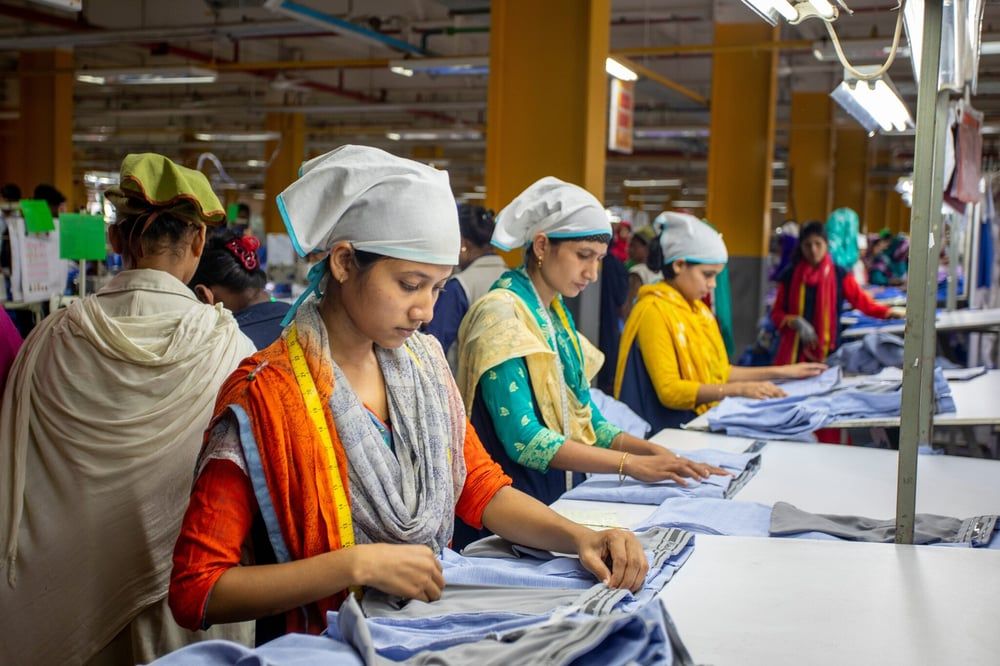
Clothes entering Europe may soon require digital product passports (DPPs) to verify their environmental credentials, marking a new era of transparency for the global fashion industry. The European Union's initiative aims to provide consumers with detailed information about garments, allowing them to scan QR codes or electronic tags to check sustainability claims. These passports will document a garment's composition, resource consumption (energy, water, chemicals) during production, and identify all participants involved in each stage of manufacturing.
According to analysis by the European Parliamentary Research Service, textile suppliers, particularly from Bangladesh—the world's second-largest apparel exporter—may need to implement an initial version of the passport as early as 2027. For industry leaders, this move addresses a crucial shift in consumer behavior. "As consumers place a higher premium on sustainability and transparency, the digital product passport could be a key tool to provide granular records about the environmental footprint of each piece of cloth, starting from the cotton field to finished garment," stated Asif Ibrahim, vice chairman of the Newage Group of Industries in Dhaka.
The core objective of the DPP system is to curb "greenwashing," a prevalent issue in the fashion sector where brands exaggerate or fabricate their environmental claims. While manufacturers currently provide extensive data to meet buyer requirements, a 2023 report by Greenpeace highlighted instances where brands misled consumers by focusing on recycling plastic bottles rather than actual textile scraps. "Providing authentic and traceable data from across the supply chain is key to stop the problem of greenwashing," emphasized Rezwan Ahmed, CEO of Aus Bangla Jutex Ltd, a company specializing in products made from recycled and organic cotton.
To prepare for these changes, Bangladeshi suppliers are collaborating with technology firms to establish robust data collection systems. Aus Bangla Jutex, for example, has partnered with Aware, a Dutch firm utilizing decentralized blockchain technology. This system allows manufacturers to input essential data points, such as yarn count or water consumption, which are then used to generate a unique QR code for consumers. Md. Muyeed Hasan, Bangladesh country manager at Aware, confirmed that this approach ensures manufacturers maintain control over the data they disclose to brands and consumers, giving them ownership of the information.
The data collection process for the DPP requires participation from every stage of the supply chain, including cotton ginners, washers, dye factories, and finished garment makers. These entities must upload relevant certifications and real-time details about each production batch to their digital profiles. To ensure accuracy, third parties will verify claims related to energy and water usage before they are included in the passport.
While the initiative is seen as necessary, smaller manufacturers in Bangladesh face significant challenges in adapting to the stringent EU requirements. Asif Ibrahim of the Newage Group noted that small manufacturers—which constitute a large portion of Bangladesh's roughly 3,320 export-oriented apparel factories—are far from ready to meet these demands. Meeting the new standards requires substantial upgrades in hardware, software, and data management practices. To address this gap, British-based DigiProdPass has partnered with the Bangladesh Garment Manufacturers’ Association (BGMEA) to assist smaller producers. Salauddin Sohag, managing director of DigiProdPass, explained that his company is currently running pilot studies and developing training programs to help businesses transition smoothly. Ibrahim concluded that global fashion brands, development organizations, and government incentives are essential to support early adopters and ensure a successful industry-wide transition.