European Textiles Fight for Survival Against Ultra-Fast Fashion and Unfair Competition
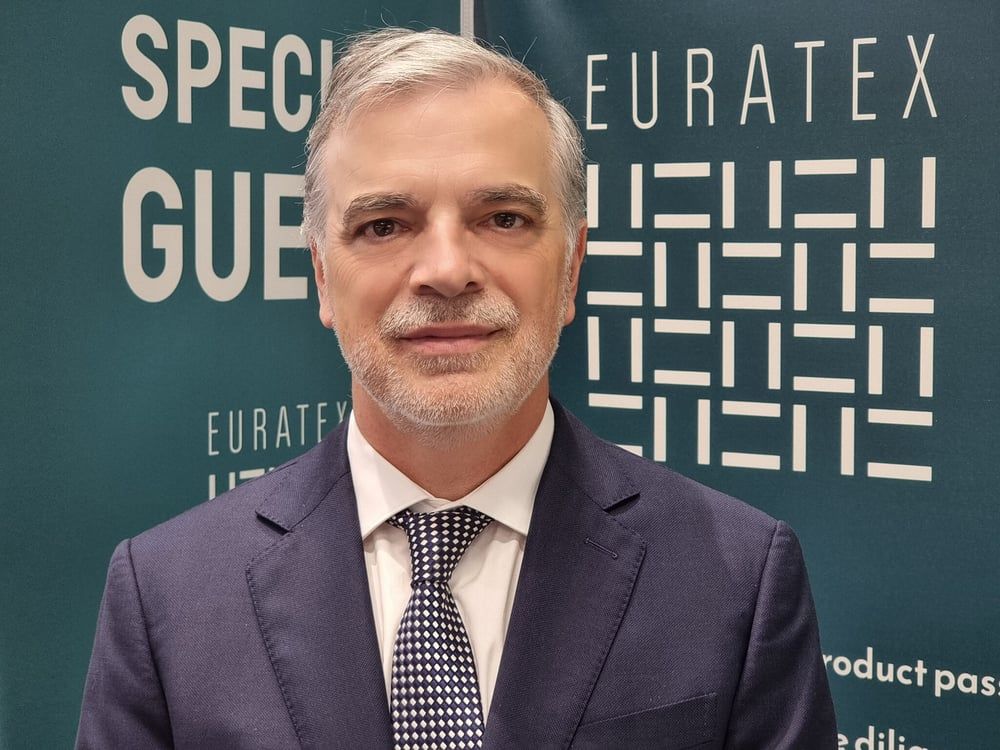
The European textile industry is sounding the alarm, with Mario Jorge Machado, president of Euratex, leading a united front against the pressures threatening its existence. An exceptional gathering of European federations in Paris on September 16 underscored a collective determination to confront ultra-fast-fashion giants like Shein and Temu. This battle is compounded by the ripple effects of the U.S. tariff war, which is redirecting Asian textile production to Europe, creating an urgent need for political intervention, as articulated by the Euratex president to FashionNetwork.com.
The first half of the year has already shown the significant impact of Washington's measures. Between January and June, European imports from Asian countries surged by an alarming 20%–30%, while prices simultaneously plummeted by 15%–20%. This trend indicates that Asian manufacturers are offloading garments in Europe that can no longer be sold in the U.S., a practice that Euratex identifies as product dumping and a clear form of unfair competition. The current anti-dumping processes are deemed too complex, costly, and time-consuming for small and medium-sized enterprises (SMEs) to effectively defend themselves, leaving them vulnerable to market disruption despite Europe's commitment to an open market.
This situation poses a grave threat to a European industry that has invested heavily in its future. Significant resources have been poured into decarbonisation, innovation, sustainability, reducing water consumption, and responsible chemical management. These investments, intended to enhance product quality and environmental stewardship, are being undermined. The consequence is stark: approximately 100,000 textile jobs have been lost across Europe over the last eighteen months, representing nearly 10% of the sector's 1.3 million workforce. This ongoing erosion of jobs and the closure of companies are deemed unacceptable given the industry's commitment to responsible practices.
Since his election in 2024, Mario Jorge Machado has vigorously advocated for establishing a fair textile market in Europe. Euratex is actively engaging with various levels of governance in Brussels, including the European Commission, Council, and Parliament. Efforts include organizing a dinner at the European Parliament where MEPs heard directly from CEOs across Europe about the challenges faced. While Euratex continues to believe in the principles of treaties, trade, free trade, and fair trade, there's a growing recognition that Europe cannot afford to be naive. The continent must defend its values and industry when others do not adhere to the same rules.
Machado emphasizes that this challenge extends beyond the textile sector. Textiles and clothing remain globally leading industries, and the unfair attacks they face require broader protection. The industry alone cannot defend itself; it operates under the rule of law, and it is the rule of law that must safeguard European industry. European manufacturers adhere to stringent social and environmental standards, and pay all applicable taxes. It is therefore imperative that products from entities that do not comply with these same comprehensive rules are not allowed unfettered access to the European market.
Transparency is highlighted as a critical differentiator for textile players. Brands selling in Europe should be transparent about their production methods, both socially and environmentally. If products are not produced ethically or sustainably, or if they result from abusive practices, these companies should not be rewarded with low costs that externalize the true price to the environment. Currently, European companies that internalize these costs through improved production processes find themselves at a disadvantage, while consumers remain largely unaware of the true story behind the products they purchase.
There remains a significant gap in consumer understanding. Many European clothing buyers assume that any product marketed in Europe is safe, regulated, and controlled. This belief, however, is often misplaced. When confronted with extremely low-priced products from outside Europe, consumers are exposed to potential risks. Furthermore, political inaction by the European Commission and politicians effectively rewards companies that offer cheaper products by externalizing real costs, thereby gaining access to European consumers. This ultimately forces responsible European textile companies out of the market. Euratex asserts that this situation is completely unacceptable and demands urgent, decisive action from political leaders.