Fashion Buyers Weigh In On New Creative Directors and Emerging Talent After Fashion Month
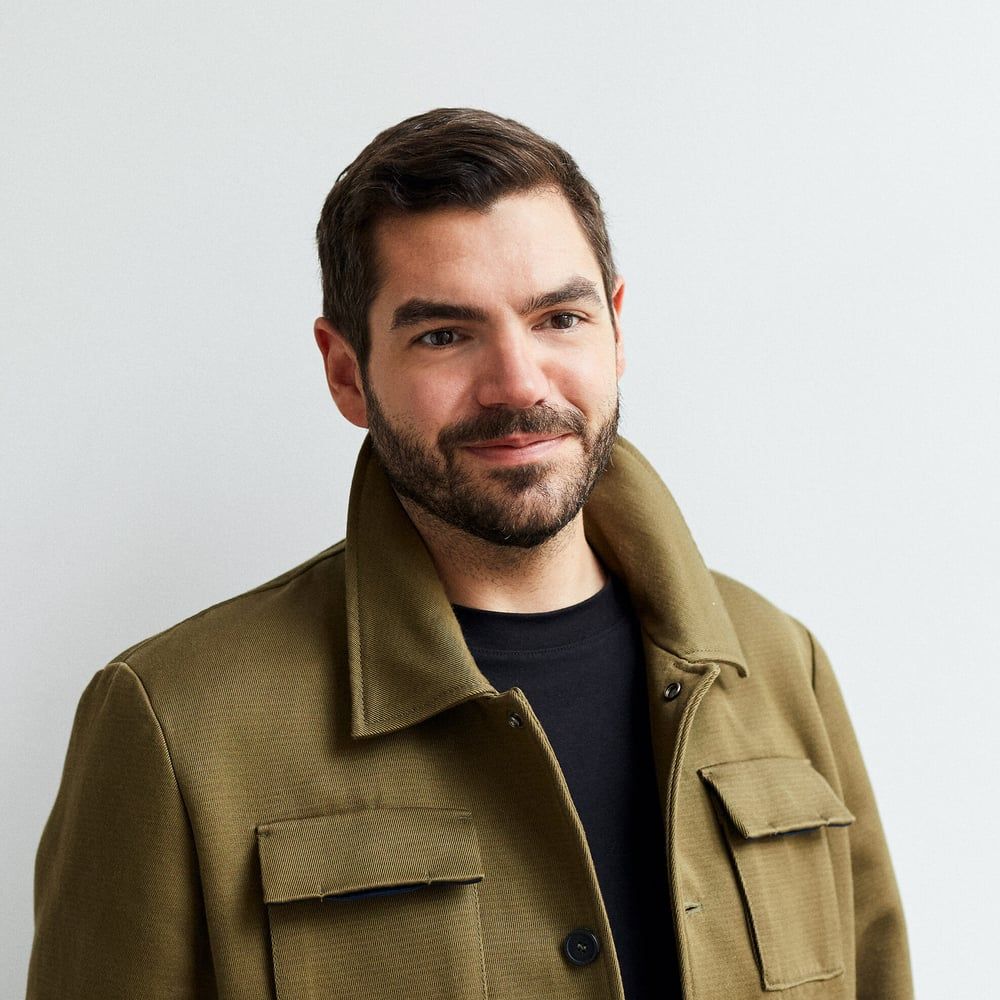
After an exhilarating month of fashion weeks spanning New York, London, Milan, and Paris, marked by a significant number of new creative directors taking the helm of major brands, the industry is now pausing to reflect. FashionNetwork.com recently gathered insights from key buyers to gauge their perspectives on the season's highlights and shifts. Nicholas Atteshlis, who leads designer relations at Zalando, offered his expert analysis on these pivotal debuts and underscored the vibrant energy emanating from London's emerging design talent.
When asked about the most successful creative director debuts or new creative directions, Atteshlis highlighted Louise Trotter's collection at Bottega Veneta. He praised her ability to perfectly encapsulate the house's inherent DNA: discreet luxury, meticulous attention to detail, and exceptional quality conveyed through sumptuous fabrics. However, Atteshlis cautioned that the true measure of a debut's success cannot be immediately determined, as it requires time for a new creative vision to genuinely resonate with consumers, a sentiment particularly true for significant transitions like Jonathan Anderson's at Dior.
In the current climate of substantial industry changes, Atteshlis observed a prevailing trend towards a more radical approach to product direction among designers. This was evident in collections from houses like Dior and Gucci, driven by the intense media scrutiny surrounding new creative appointments. On the commercial front, he noted that major fashion houses are consistently elevating their offerings through strategic pricing and positioning, a continuation of trends seen in previous seasons.
Among the multitude of presentations, Atteshlis found Giorgio Armani's show to be particularly poignant. Following the recent passing of Mr. Armani after such a long and revered career, the emotional weight of his collection made it an unforgettable moment.
Beyond the garments themselves, Atteshlis identified show concepts with significant commercial potential. Gucci immediately came to mind, specifically its cinematic reach and the extensive spin-offs this approach can generate. Chanel's show, with its striking homage to the solar system, also left a lasting impression. While he didn't foresee a direct translation of this theme into physical retail spaces, Atteshlis could envision its adaptation for high-impact events.
Turning to independent brands and young designers, Atteshlis, much like many of his peers, instinctively pointed to London as a hotbed of talent. Designers such as Dilara Findikoglu stood out, whose show paid homage to the late Alexander McQueen with dark, structured silhouettes. Aaron Esh was also noted for his ability to craft pieces that were simultaneously cutting-edge and remarkably easy to integrate into daily wear, demonstrating a compelling balance of creative audacity and market appeal.
Regarding materials, textures, and color palettes, Atteshlis emphasized the importance of visual dynamism for online platforms. As an online fashion destination, Zalando constantly seeks products that pop on their pages. Bright colors, such as vibrant bubblegum pink, and rich shades of gold were identified as consistent bestsellers that energize the offer and cultivate customer desire.
Finally, in the realm of accessories, a clear trend is emerging: a strong consumer demand for fine jewelry. Customers are increasingly gravitating towards brands that offer more affordable options without compromising on quality, signifying a shift towards accessible luxury in this category.