Fashion's Boys' Club: Women Shut Out of Top Design Roles Amidst Industry Reset
While current fashion runways are ablaze with trends like frills, corsets, dramatic shoulder pads, and "naked dresses," a contrasting trend has emerged backstage: the significant decline in the appointment of women as chief designers. This imbalance was starkly evident during the most recent Spring-Summer 2026 womenswear Fashion Weeks in Paris and Milan, where the luxury clothing industry showcased the outcomes of a major leadership reshuffle.
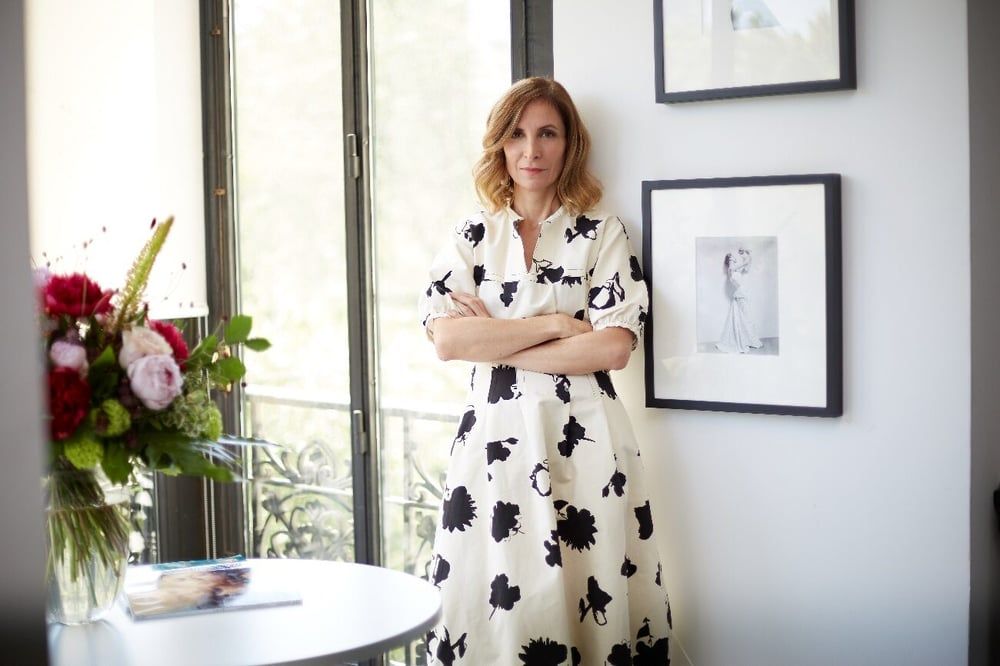
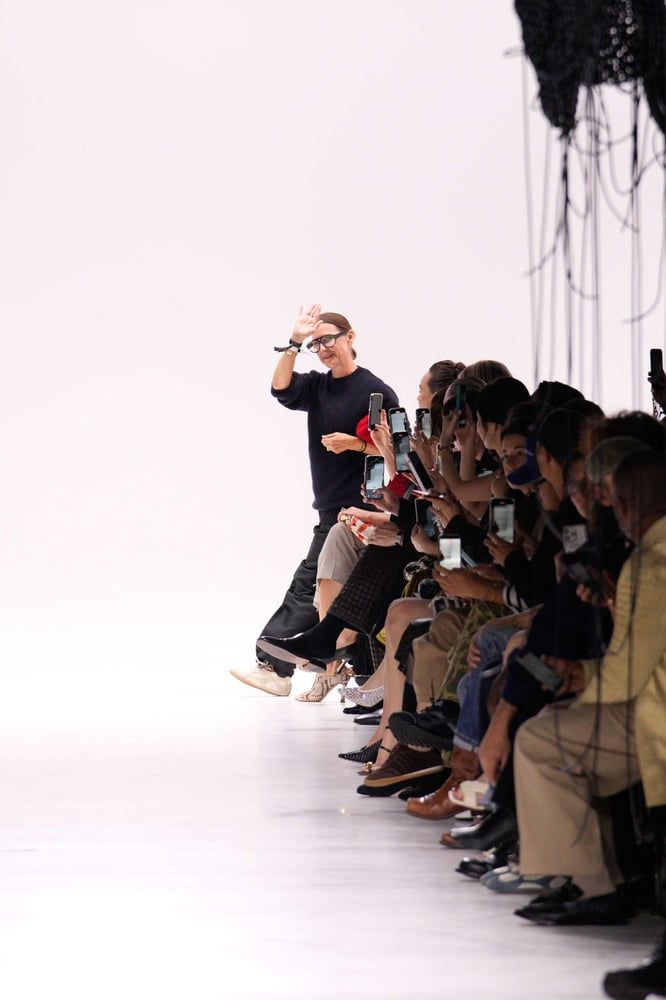
Approximately ten leading labels, including Chanel, Dior, Celine, Balenciaga, Loewe, and Jean Paul Gaultier, unveiled debut collections from new artistic directors. Milanese powerhouses Gucci, Versace, and Bottega Veneta also spotlighted freshly appointed designers. Strikingly, out of all these significant changes, only one new face taking the final bow was a woman: Britain's Louise Trotter at Bottega Veneta. Furthermore, both Matthieu Blazy at Chanel and Jonathan Anderson at Dior replaced high-profile female predecessors, underscoring a broader shift.
Karen Van Godtsenhoven, a fashion academic at the University of Ghent and guest curator for the Metropolitan Museum of Art's 2023 "Women Dressing Women" exhibition, notes a regressive trend. She observed that there seemed to be "a bit of an opening" for women in top roles just before the Covid-19 pandemic. However, she suggests that the pandemic played a role in society's shift back towards more conservative thinking, leading the fashion industry to revert to "the old certainties of the male solo designer."
American fashion writer Dana Thomas, author of "Deluxe: How Luxury Lost its Luster," attributes this retreat to the highly concentrated nature of the industry, which she believes is dominated by conservative, elderly male owners at major groups like LVMH, Kering, and Chanel. Thomas specifically criticized Chanel for missing a significant opportunity by not hiring a woman to lead a house founded by Gabrielle "Coco" Chanel, arguably the most famous and influential woman in fashion history. She further highlighted that other labels established by illustrious 20th-century female designers—such as Lanvin, Nina Ricci, Schiaparelli, and Celine—are now all overseen by male creative directors.
The only recent exceptions to this prevailing "boys club" running major labels are Sarah Burton at LVMH-owned Givenchy and Maria Grazia Chiuri at Fendi. Meanwhile, family-owned Hermes, which has had women in charge of its lines for over a decade, announced the departure of its menswear designer Veronique Nichanian after 37 years, further reducing the number of women in prominent design roles.
The reasons behind this male domination at the industry's pinnacle are multifaceted, according to experts. Frederic Godart, a professor at French business school INSEAD and author of "Unveiling Fashion," explains that while a "glass ceiling for women in most industries" exists, luxury fashion has its own specificities. He points to the industry's "historically male-dominated" leadership, its punishing work culture, and persistent pay inequalities, which collectively make it more challenging for women to ascend to the highest positions. Godart called the absence of women in this latest round of high-profile job changes "quite glaring," especially given the industry's frequent claims of caring about diversity.
A third significant factor Godart cites is the enduring myth of the "male genius designer," which continues to sway decision-makers. Karen Van Godtsenhoven supported this notion, observing that the two most recent women designers at Chanel (Virginie Viard) and Dior (Maria Grazia Chiuri) were largely perceived within the industry as transitional or continuity figures. She believes women are still frequently relegated to roles associated with "craft"—being overwhelmingly present at all levels of the production process—while men are predominantly seen as the visionary "fashion" minds. Van Godtsenhoven asserts, "I just think it's a cliché that remains in the heads of people. And I think it's very damaging, both to men and women in the industry."
Despite these barriers, there is no shortage of female talent within the industry, with fashion schools consistently graduating a majority of women designers. Furthermore, women are well-represented in management positions, with companies like Chanel, Gucci, and Dior led by female CEOs Leena Nair, Francesca Bellettini, and Delphine Arnault, respectively. Figures from luxury giant Kering demonstrate that women hold 58 percent of its management positions and constitute half of its executive board, though LVMH did not provide comment on similar statistics.
Given the persistent difficulties for women to reach the top design roles at established houses, experts suggest that many talented female designers, such as Iris van Herpen, Molly Goddard, or Simone Rocha, are following the path of predecessors like Donna Karan by establishing their own labels. Dana Thomas summarizes the situation, stating, "There's a whole generation of women who are really, really good, and they're just not getting the breaks."