Fashion's New Guard Arrives: Debut Designers Redefine Style on the Global Runways
This season marked a pivotal moment in 21st-century fashion, highlighted by approximately 15 designer debuts at major houses. From this dynamic four-week international fashion runway season, a selection of a dozen standout shows emerged, with four featuring debutant designers and half led by talented female creatives.
Alaïa, under Pieter Mulier, received full praise for its simple yet brilliant staging. Models navigated two flattened tennis-court-sized LED screens displaying massive close-ups of female beauty, all reflected by a dropped mirrored ceiling. Mulier presented sleek cocktails crafted from technical fibers, silk, or ribbed knits, featuring transparent breastplates and diagonal fringes. The collection showcased hyper-skillful draping with V-shape skirts in layered cotton and silk jersey, alongside a black leather perfecto with displaced shoulders that elegantly morphed into a grand gown. This collection masterfully combined the founder Azzedine’s voluptuous aesthetic with Mulier’s precision and punch.
Few designers capitalized on their new atelier as spectacularly as Louise Trotter in her Bottega Veneta debut. She skillfully infused the "Bottega" back into BV with super-lightweight leather ensembles, including trenches, cloaks, and blazers for men, and off-the-shoulder dresses and paneled gowns for women. Every piece was meticulously detailed with intreccio—seen on collars, sleeves, lapels, trim, and woven belts. The collection was cinematic, Edwardian, and offered some of the season's finest new tailoring.
The debut collection by Matthieu Blazy for Chanel was undoubtedly the season's hit—bold, gutsy, ingenious, often beautiful, and curiously risqué. Blazy practically reinvented the classic Chanel suit, introducing a new knee-length wrap skirt with pockets, often frayed and adorned with gold filigrees. Beyond traditional wool bouclé, these suits appeared in impossibly airy plaids, windowpane checks, or stiff denim. He artfully disrupted codes with conceptual double-sized camellia brooches, woven pearl necklaces, and Coco’s cherished wheat embroidered into organza tops. Matthieu’s magnificent Solar System set, featuring giant gas-filled, internally illuminated planets, remarkably transported Chanel back to the glorious days of Karl Lagerfeld, earning him the season’s most significant ovation.
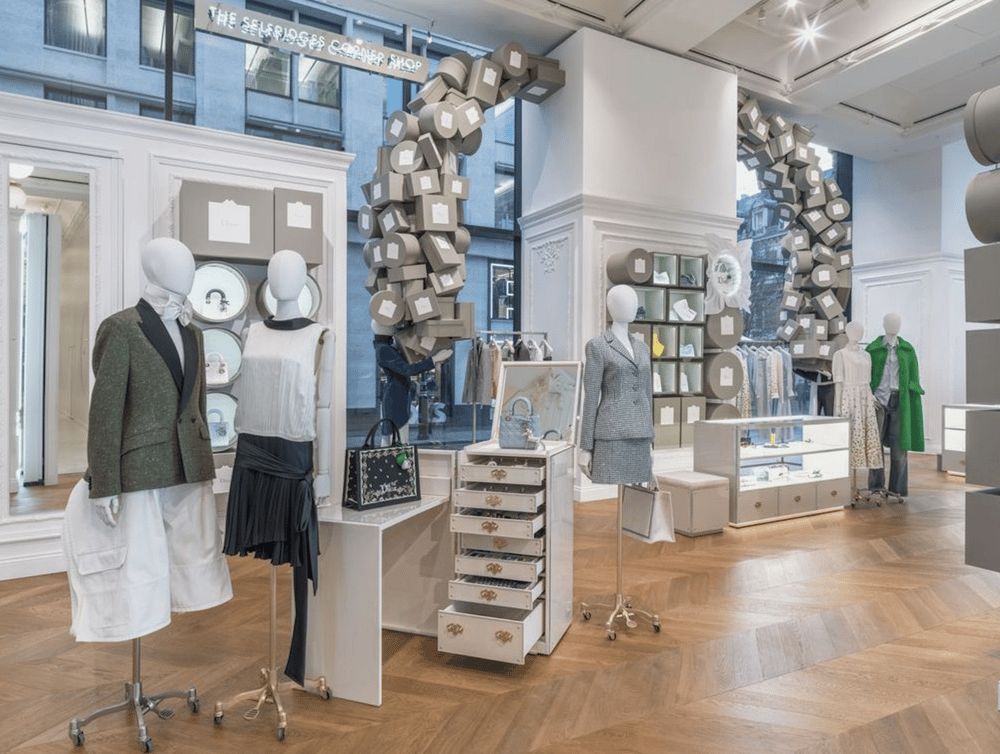
Jonathan Anderson’s debut women’s wear show for Dior demonstrated a fearless spirit. He effectively turned the brand upside down, appealing to a younger demographic, repeatedly drawing inspiration from Monsieur Dior’s New Look, and making Dior undeniably cool again. The show opened with a sensational mash-up video by documentarist Adam Curtis, chronicling Dior's history as a unique cultural monument, perfectly setting the tone for Anderson’s visual stream-of-consciousness presentation. Rarely in fashion history has a designer so boldly reinterpreted a house’s codes, particularly Monsieur’s legendary Bar jacket. The result was arguably the most thought-provoking collection of the entire decade.
Diotima’s intriguing collection explored themes of colonialism and Caribbean culture's resistance through the vibrant tradition of Carnival. It presented a fusion of active sport and couture: hooded sleeveless mesh tops and pants culminating in layered chiffon skirts, or fabulous crepe lapel-free redingotes worn asymmetrically. Models sported J’Ouvert pre-dawn street festival makeup with daubs of silver mud. The collection was epic, unusual, path-breaking, and stood out as New York’s most beautiful surprise.
In his final collection, presented posthumously 24 days after his passing, Giorgio Armani concluded on a high note with brilliantly fresh, light, and contemporary tailoring. The show took place in the neo-classical courtyard of the Pinacoteca di Brera, Milan’s greatest museum, which immediately after the event opened its first-ever fashion exhibition, dedicated to Armani. Fashion’s greatest tailor crafted beautiful pajama suits for men and breezy tunics and boleros for women, introducing new dhoti pants and deconstructing blazers. These pieces were made from supremely light silks, dry linens, and printed cottons, in the colors of his island home in sunny Pantelleria—burnt sand, lava, stone, and sea blue. A truly beautiful swansong by a defining designer of the past half-century.
This season unveiled a new, refined sense of seduction in fashion, with Givenchy offering the best dark and diabolical interpretation. The collection featured tough-chic black leather, seen in bat-wing leotards, wicked little black dresses, or men’s coat dresses with plunging necklines. Crisp and clean tailoring was evident in statuesque white double-breasted pantsuits, while designer Sarah Burton reinvented Givenchy’s signature Bettina blouse as an officer’s shirt or an aristo chemise. In essence, it was the most coherent wardrobe presented in Paris.
Khaite, under Catherine Holstein, presented imperfection as highly wearable artistic fashion. Everything felt slightly twisted or distorted, from strict leather elongated fisherman jackets to urban double-breasted blazers, with every cut subtly off-kilter. The show boasted New York’s best set: an all-black pond and broken-up glaciers shrouded in mist. Holstein confessed, "The dark underbelly of America has always fascinated me," delivering independent female chic at its finest.
Louis Vuitton’s collection drew inspiration from the apartment of Anne of Austria, the Sun King’s mother, resulting in a highly eclectic blend of kicky fabric tops, intricate tapestry details, carpet-fabric shoes, and 18th-century-style brushed silk gowns. The offerings extended to leggings cut like britches, shirts with aristocratic six-inch collars, delicate lace demoiselle gowns, and scarlet satin bouffant bubble coats. It was, in short, the most experimental and path-breaking collection seen in Paris.
Prada’s latest collection served as a powerful reminder that Miuccia Prada remains Milan's foremost authority in fashion direction, élan, and overall chic. The collection prominently featured "nearly-there" bras that subtly fluttered and were exposed within cut-out tops, dresses, and even aprons. Miuccia and Raf Simons expertly crafted various dirndls, wraps, bubble, or gathered skirts and dresses, alternating sheer fabrics with crumpled materials like technical taffeta—unquestionably the fabric of the season. Suggesting a racy soirée hostess, Miuccia remarkably revolutionized the entire aesthetic just 12 days later in her ode to the apron at Miu Miu. In a season fixated on debutants, she remarkably re-emerged as the most influential designer.
Schiaparelli showcased disgruntled debutantes in sateen georgette, floral jacquards, and silk organzas, meticulously cut into crinolines, Venetian tailcoats, or hoop skirts. Refined organza crinolines, embroidered with tiny flowers, were rebelliously combined with silver sequin bras or oversized trapeze dresses adorned with massive fabric flowers. This collection stood as the season’s best example of a designer fearlessly pushing the boundaries of their own distinctive codes.
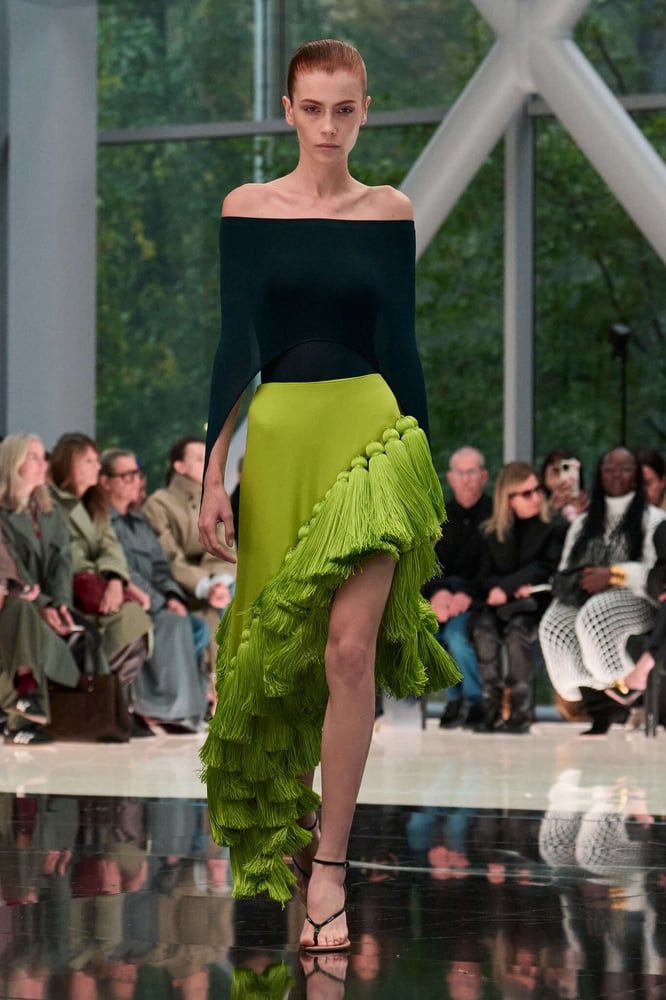
At Versace, Dario Vitale made his debut with a heartfelt love letter to the founder, Gianni. Held within the historic Pinacoteca Ambrosiana, the clothes harked back to the 1970s and Gianni’s vibrant 1980s Miami, featuring bright South Beach colors—lime green, pomegranate, or ultraviolet. The collection showcased looser, more forgiving tailoring and multiple very short shorts for men, evoking the body-beautiful bravado of early Versace. Vitale, however, took considerable risks with gutsy volumes, steamy, revealing details, and a raw cast of models, successfully appealing to a younger Versace customer.