France Imposes €2 Tax on Cheap Imports to Level Playing Field
The French National Assembly recently approved a new €2 tax targeting "small parcels" of non-European origin valued under €150. This measure, designed to fund mechanisms for inspecting these products, was endorsed by 208 MPs to 87 during the first reading of the state budget. While the far-right Rassemblement National (RN) voted against it, the left-wing parties, the government coalition, and the Ciotti-aligned UDR group, an ally of Marine Le Pen, all supported the proposal.
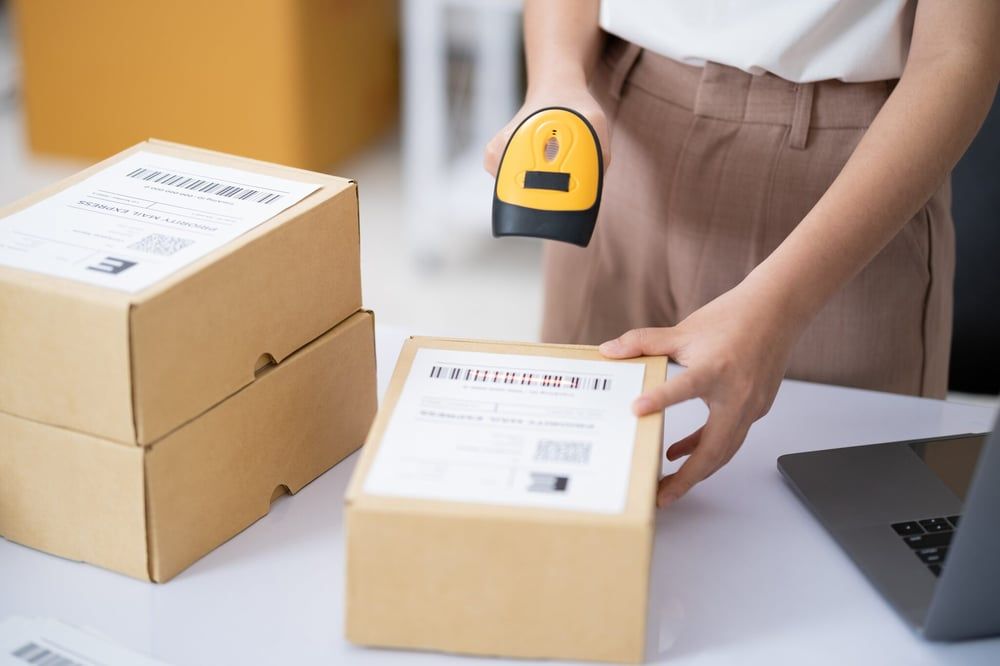
This initiative emerged as a direct response to the unprecedented surge in popularity of ultra-low-cost Chinese e-commerce platforms like Temu and Shein. On the very day of the vote, approximately one hundred brands and twelve industry federations publicly announced their decision to join legal action against Shein. Representatives from the retail and clothing sectors highlighted the scale of the issue, noting that 800 million small parcels arrived in France last year alone. Data from Fevad (the French e-commerce federation) revealed that a recent inspection of 200,000 parcels found 80% of those from Shein to be non-compliant with regulations.
Pierre Talamon, president of the Fédération nationale de l'habillement (FNH), which represents independent fashion retailers, underscored the critical importance of the new tax. He stated, "This measure, although minimal, is necessary to begin restoring a basic level of fairness between French retailers and the ultra-fast fashion giants." Talamon emphasized that the issue is one of "economic survival, commercial justice, and the protection of hundreds of thousands of jobs in our shops, our workshops, our city centres."
The French decision comes hot on the heels of an announcement by the European Commission, which recently declared its intention to accelerate the abolition of the €150 threshold below which the European Union currently waives customs duties on parcels entering the bloc. This broader EU move is also aimed at combating the influx of cheap Chinese imports. The Commission is now pushing for implementation in the first half of 2026, significantly earlier than the original target of mid-2028.
Within the Assembly, the measure sparked intense debate. The Rassemblement National vehemently denounced it as a "tax on popular consumption and the middle classes," arguing against its impact on everyday consumers. In contrast, Public Accounts Minister Amélie de Montchalin defended it as a "fee" specifically intended to control products that are frequently "dangerous." These discussions unfolded against a backdrop of increasing scrutiny on Chinese e-commerce giant Shein, which faces accusations of selling numerous non-compliant and illicit products.
MP Jean-Philippe Tanguy (RN) criticized the government's rationale, asserting, "This is not a tax to prevent unfair Chinese competition, it's a tax on popular consumption and the middle classes." Marine Le Pen, president of the RN group, further questioned the effectiveness of the measure, adding, "To make the French believe that by taxing small parcels you will be able to dramatically increase the number of checks is to take people for fools," pointing out that "last year, 0.125% of parcels were checked." Initially, La France Insoumise (LFI) also voiced concerns about the potential impact on consumers, advocating for direct taxation of platforms rather than parcels to protect buyers, and even threatened to vote against the proposal.
However, the government successfully addressed LFI's concerns by tabling an amendment that allows the tax to be paid via "the VAT channel," which would be "collected via the platforms." This crucial amendment ultimately swayed LFI to support the government's proposal. The tax is projected to generate approximately €500 million, which Minister de Montchalin confirmed would be allocated to purchasing scanners for parcel checks and hiring additional customs officers.
Minister de Montchalin expressed satisfaction that France, along with Belgium, the Netherlands, and Luxembourg, will implement the tax "from January 1," a full nine months ahead of other EU countries. She delivered a fiery address, stating, "Those who tonight will not vote for this tax... have not chosen France, they have not chosen our retailers, they will have chosen China and its flood." She also reinforced the wider context, noting that European Union finance ministers had reached an agreement last week to abolish the exemption from customs duties that these small parcels currently enjoy.
In a separate legislative development later that evening, MPs opted to scrap another article from the bill that had intended to tax all smoking products, regardless of whether they contained tobacco or nicotine. Renaissance MP Pierre Cazeneuve successfully argued that e-cigarettes have helped "some 700,000 people" quit smoking, describing them as an effective and "far less dangerous" alternative to traditional cigarettes that "saves lives." Many MPs, including Cazeneuve himself, supported this view.