French Apparel Market: Growth Amidst Contraction Driven by New Customer Recruitment
The French apparel sector, despite appearing bleak at first glance, presents a more nuanced reality according to a recent presentation by Worldpanel by Numerator. While the market for new items continues its contraction and consumer footfall in physical stores declines, a counterbalancing trend of higher average basket sizes offers some respite. This complex environment sees certain brands not only holding steady but actively finding avenues for growth.
Analyzing the retailer landscape, Worldpanel reveals Intersport as the clear market leader, commanding a 6.3% share. They are followed by Decathlon at 3.9% and Kiabi at 3.1%. Other significant players include Leclerc (2.8%), Galeries Lafayette (2.5%), and Gémo (2.1%). A host of other prominent names like Zara, La Halle, H&M, Zalando, Carrefour, Vinted, Amazon, Chaussea, Nike, Auchan, Primark, Armand Thiery, Celio, and Courir each hold market shares ranging between 1% and 2%.
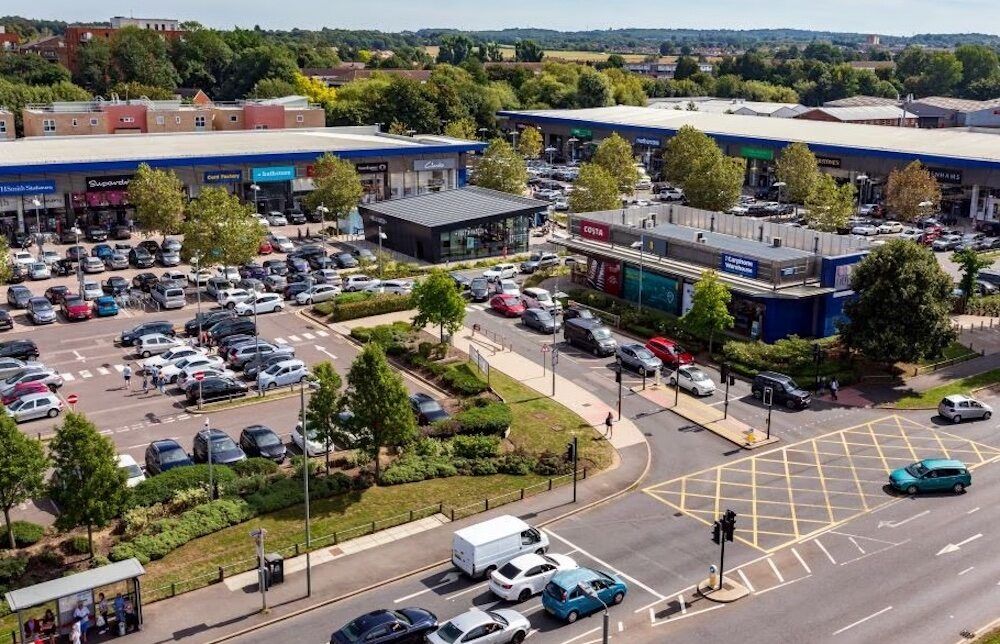
Even with the rise of digital channels, bricks-and-mortar retail largely maintains its central role, with player types varying by geography. However, the online share is projected to exceed 22% in the coming period, up from 21% in 2024. This growth is significantly propelled by emerging platforms like Temu, particularly in rural and medium-sized towns. The digital dimension extends beyond direct sales, with social media playing a crucial informational role for 37% of consumers. While only 17% currently use it as a direct shopping channel, the anticipated development of TikTok Shop in France could drastically alter this dynamic, offering new digital expansion opportunities for brands.
According to Hélène Janicaud, who leads Worldpanel’s Fashion team, growth opportunities are abundant, both online and offline. A new Worldpanel survey focusing on the brands most purchased by French consumers by volume highlights distinct brand dynamics beyond traditional retail networks. Large retail networks inevitably dominate this ranking, with Kiabi leading the pack, recording an impressive 44 million transactions—a 3.6% increase from the previous survey—with an average of 3.4 items per basket. Kiabi surpasses Primark (which registers 20 million transactions but a higher average of 4.8 items per basket), Decathlon, Tissaia, and Gémo. This top five showcases a diverse array of business models, encompassing specialized national players, food retailers (Tissaia), and sports retailers (Decathlon), underscoring that the fashion market is truly a playground for diverse entities. This diversity continues through the top 15, featuring players from H&M and Zara to Nike, Adidas, Dim, Shein, Zeeman, and even mass-market brands like Tex (Carrefour) and Inextenso (Auchan).
These varied strategies underscore different approaches to meeting consumer expectations. Some brands, like Kiabi, prioritize the sheer volume of transactions, while others, such as Primark, focus on maximizing the average number of items per basket. Decathlon effectively leverages its appeal to French families, and Zara thrives on high purchase frequency, attributed to its adeptness in refreshing collections. Out of this diverse top 15, nine brands—Kiabi, Decathlon, Primark, Gémo, Shein, La Halle, Zeeman, Adidas, and Zara—have successfully generated growth in France since the start of the year.
Kiabi's leading position is attributed to several strengths: a 3.6% rise in transactions, an increased share of business outside sales periods (+2.7 points), and growth in its bricks-and-mortar activity (+1.7 points). The chain also managed to increase the number of items purchased per visit by 3.2%, despite a slight drop in shopping frequency. Crucially, Kiabi actively pursued new customer segments, notably younger, childless shoppers, broadening its appeal beyond its traditional family core. This strategic drive to recruit new customers is a central theme among the brands experiencing growth.
A pivotal finding from Worldpanel’s analysis of 230 brands (with a market share of at least 0.2% in France) indicates that 52% of these brands are projected to see volume growth in 2025. While this might not seem high, it surpasses the 40% growth rate observed in the food sector. The study highlights that recruitment of new buyers is the primary driver for over eight out of ten growing brands. This underscores that while increased purchase frequency benefits over half of brands, attracting new customers is paramount for sustained volume growth.
Twenty brands have particularly distinguished themselves with significant increases in sales volume. This group includes major players like Kiabi, Shein, Primark, and Temu, alongside brands such as Only, Calzedonia, Kappa, Umbro, Uniqlo, Armand Thiery, Skechers, and Plus—a textile label primarily sold through food retailers like Intermarché and Carrefour Market. On average, these high-growth brands reported a 19% increase in total volume, fueled by a 7.2% rise in household penetration, a 6% increase in store footfall, and a 4.7% gain in average basket size. Three-quarters of these brands have sustained solid growth over several years. While 11 out of 20 are positioned as affordable and 13 lean heavily on sales and promotions, it's notable that 9 out of 20 are not entry-level brands yet still achieved growth. Moreover, 12 out of 20 successfully recruited new customers, mainly targeting working-age consumers (Generation X and Millennials) across both modest and affluent profiles. Finally, a direct sales channel played a role for 15 of these brands.
Specific case studies further illuminate these growth strategies. Plus, for instance, showcased an 11.9% increase in average basket size and a 3.3% rise in transactions. Its distinctive positioning as a national brand, with 97% of its sales through food superstores, allowed it to add emotional appeal and desirability to textile aisles, proving 6% more attractive than typical own-label offerings.
Uniqlo, despite a limited store network in France, demonstrates strong progress, ranking 47th among most-purchased brands. Its transactions jumped by over 26% to 4.4 million, while purchase frequency per buyer rose by 13.7%. Uniqlo's growth strategy centers on attracting more buyers by mastering retail fundamentals: quality products at accessible prices, strong retail execution, and leveraging technology. Unlike traditional fast fashion, Uniqlo focuses on high-quality basics. The brand also creatively energizes its collections through pop culture collaborations (e.g., Labubu character, Jonathan Anderson, Kaws), broadening its appeal beyond major metropolitan areas and to households with more modest incomes.
American footwear brand Skechers has also made a significant breakthrough, ranking 81st, with a 22.5% increase in transactions and a 2.9% rise in items per basket. Skechers has strategically focused on functional innovation, such as hands-free slip-on shoes, and built visibility through celebrity collaborations. While its core audience remains value-driven middle-class consumers around age 50, recent partnerships with artists like Doja Cat have successfully attracted younger, more trend-conscious shoppers. Its distribution strategy primarily involves online pure players, sporting goods chains, out-of-town retail parks, and independent stores.
Ultimately, the successful brands in the French apparel market have mastered retail fundamentals: ensuring their distribution aligns with their brand positioning and offering value for money that meets customer expectations. Beyond these basics, they have strengthened their identity through credible extensions—be it through showcasing specialized know-how, technological innovation, or engaging partnerships with artists or other brands. This multi-faceted approach enables them to attract new consumer profiles while retaining their loyal customer base, charting a path for growth in an otherwise challenging environment.