French Lingerie Market Shifts to Quality and Style Amidst Evolving Trends
The French women’s lingerie market experienced a slight decline in 2025, reaching a value of €2.01 billion, down from €2.08 billion in 2024, according to a new market study by Kantar commissioned by the Fédération de la Maille, de la Lingerie et du Balnéaire. This dip signals a shift in consumer behaviour towards more deliberate purchasing decisions.
The study highlights a growing trend of premiumisation within the market, with average prices increasing by 3.1%. This indicates that consumers are prioritizing quality, sustainability, and value-added products over sheer volume, reflecting a more considered approach to lingerie purchases.
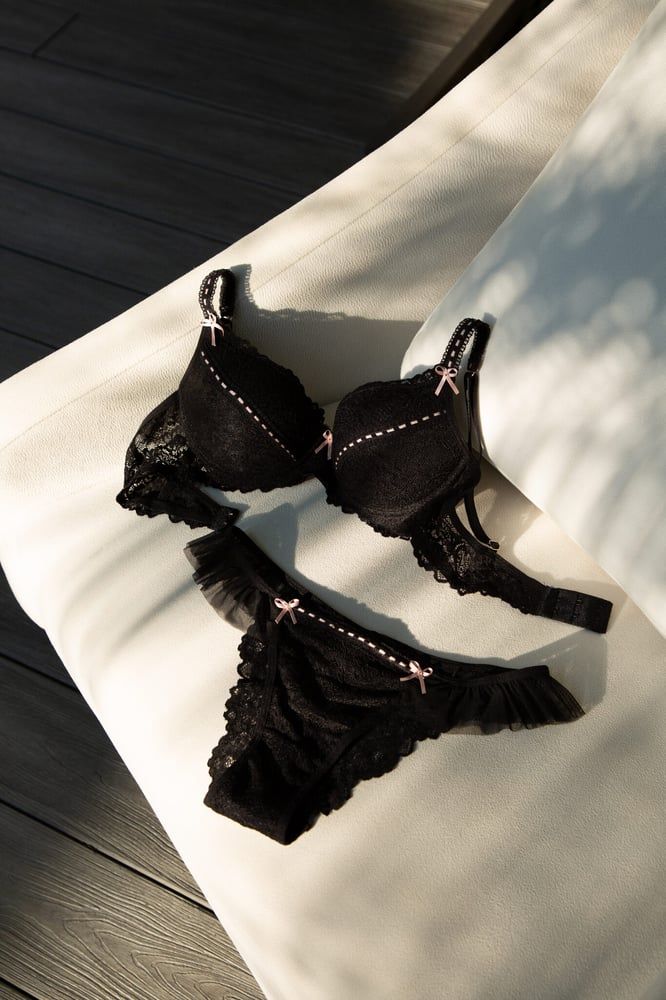
Bras, bustiers, and bralettes continue to dominate spending, accounting for 57% of the annual market share. This reinforces their position as a core category for women, significantly outpacing thongs, briefs, and knickers, which represent 37% of expenditure. French women are demonstrably seeking lingerie that delivers on support, aesthetics, comfort, and durability, even if it requires a higher investment.
Shifting body trends are also influencing the market, with C-cup now the most prevalent size in France. There’s a noticeable increase in demand for fuller cup sizes, with 7% of women wearing an E-cup or larger, and D-cup gaining popularity, particularly among younger demographics. This anatomical shift underscores the continued importance of supportive lingerie, while also acknowledging the bra’s evolving role as a fashion item, incorporating elements like lace, embroidery, and contemporary designs.
Beyond lingerie, the women’s legwear market reached €323.4 million in 2025, with socks emerging as a significant fashion accessory. Socks now account for 68% of legwear spending, gaining almost six percentage points year-over-year. Nightwear is also experiencing growth in the premium segment, with pyjamas maintaining their dominance (41% of spending) and “pyjama shorts” seeing a substantial 40% increase in market share, rising from 8.7% to 12.2%.
The homewear segment, representing 12.4% of the overall market, continues its upward trajectory. This growth is driven by a desire for comfortable, aesthetically pleasing, and versatile clothing suitable for a range of activities, including at-home workouts and relaxation, reflecting a lifestyle focused on wellbeing and balance.
The retail landscape is also undergoing changes. Specialised lingerie chains in city centres and shopping malls are making a strong recovery, regaining 2.6 percentage points of market share to reach 30.9% of sales. Independent boutiques are also performing well, increasing their share by 0.4 points, demonstrating the value of expert advice and personalized service.
E-commerce continues to grow steadily, holding a 21% market share (+0.5 points), indicating a complementary relationship between online and offline retail channels. Conversely, mass-market food retailers are losing ground (-2 points to 20.2%), suggesting a shift in consumer preference towards retailers offering specialized expertise and superior service.
Finally, the market is witnessing a revival of vintage-inspired lingerie pieces. Structured corsets, waist-cinchers, waist shapers, and suspender belts are experiencing a resurgence in popularity, being worn as both foundational layers and statement pieces, adding a touch of sophisticated seduction to modern wardrobes.