French NGOs demand crackdown on fast fashion with new coalition
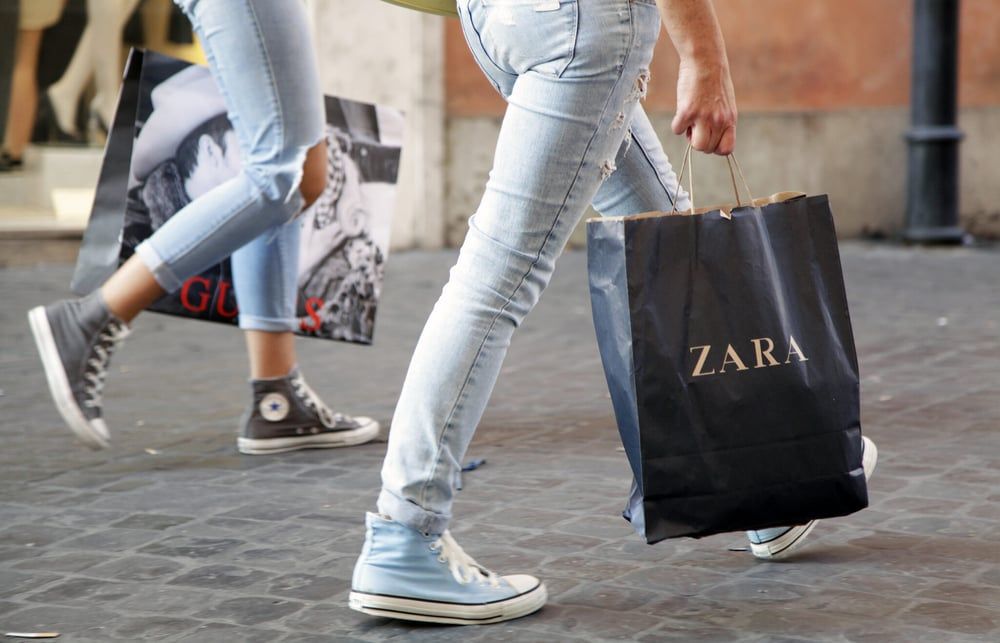
The recent expansion of the controversial fast-fashion giant Shein into prominent French retail spaces, including BHV Marais and five Galeries Lafayette stores, has ignited a fresh wave of concern among environmental and social advocacy groups. In response, a powerful alliance of six non-governmental organizations, operating under the banner of the “Stop Fast-Fashion Coalition,” has issued an urgent plea for lawmakers to enact robust and ambitious regulations. Their critical message underscores the necessity of scrutinizing not only emerging Chinese rivals like Shein and Temu but also established French and European fast-fashion players, whose significant contributions to the industry's negative impacts often go overlooked.
The Coalition highlights a significant problem with the evolving definition of fast fashion, asserting that the distinction between "fast fashion" and "ultra-fast fashion" has become increasingly blurred. They argue that the most recent iteration of the "Fast Fashion Law," which received approval from the French Senate last May, regrettably overlooks and effectively spares these well-established fast-fashion companies from adequate regulation. This oversight is particularly concerning given that public criticism, once directed at these long-standing industry players, has notably waned following the explosive rise in popularity of newer entrants like Shein and Temu, shifting the spotlight and deflecting scrutiny from older brands.
A central tenet of the NGOs' argument revolves around the profound ethical and environmental implications of the global textile supply chain. They point out that a staggering 97% of all textiles consumed in France are imported, predominantly from countries with significantly less stringent social and environmental protection standards. Numerous reports consistently document the environmentally devastating composition of many garments, the widespread use of forced and child labor, and deeply troubling instances of gender-based and sexual violence within these production environments. Critically, the Coalition emphasizes that many of the brands commissioning this production, including both the much-criticized Chinese platforms and established European retailers, frequently source from the very same factories, intertwining their supply chains in a web of complicity.
The Coalition's press release directly refutes the commonly touted claim that fast fashion is a creator of jobs. Instead, they meticulously recall that the foundational business model of fast fashion is inherently reliant on the massive offshoring of textile production, primarily to countries in Asia. This strategic shift, driven by the pursuit of lower labor costs and increased profit margins, has had a devastating impact on domestic employment, resulting in the elimination of an estimated 310,000 jobs in France alone, thereby undermining the economic stability of local industries.
Furthermore, the NGOs emphatically reject the argument that fast fashion plays a role in revitalizing city centers. Citing concrete data, they reveal that since 2016, the overall turnover at clothing shops has largely stagnated across France. This static performance stands in stark contrast to the exponential growth experienced by dominant fast-fashion chains such as Zara and Primark, which have posted growth figures exceeding 150% during the same period. The Coalition accuses these powerful chains of actively fueling the expansion of out-of-town retail complexes, contributing to urban sprawl, while simultaneously homogenizing the retail landscape in city centers, diminishing their unique character and local appeal.
While the Coalition robustly criticizes Shein for its unprecedented proliferation of product references—a key characteristic of ultra-fast fashion—it is equally important to them to highlight similar, problematic practices by French retailers. As a stark example, they cite Kiabi, a prominent French brand, which reportedly offers an astounding 200,000 unique SKUs (Stock Keeping Units). This comparison serves to underscore their broader message: alongside the justifiable criticism leveled at Shein, the NGOs issue a strong call to action, urging European retailers to significantly improve their own operational transparency, ethical sourcing, and environmental footprint, rather than deflecting attention solely onto new international competitors.
The "Stop Fast-Fashion Coalition" comprises six leading advocacy organizations dedicated to ethical consumption and environmental justice: Collectif Éthique sur l’étiquette, Fashion Revolution France, Les Amis de la Terre, ActionAid, Fairtrade Max Havelaar France, and Zero Waste France. Their collective voice is a powerful call for comprehensive and ambitious regulations that address the systemic issues within the fast-fashion industry, advocating for a future where fashion is produced and consumed responsibly, with respect for both people and the planet.