From €100 Million to €1 Billion Scaling a Fashion Empire Requires More Than Just Product
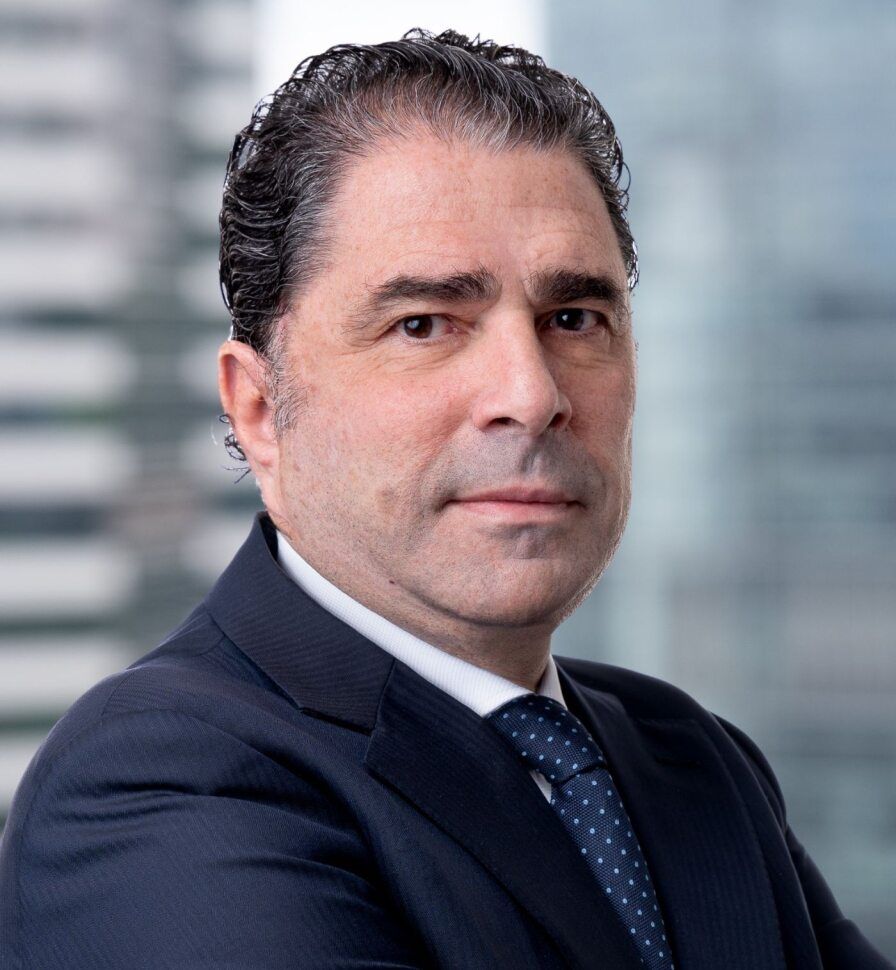
Building a successful enterprise requires more than just a compelling product idea; to scale a company from €100 million to a formidable €1 billion valuation, a broader strategic framework is essential. This insight comes from Marco De Benedetti, Chairman of Carlyle Italy and a pivotal figure in Moncler's remarkable ascent, who recently shared his expertise at the 'Brand Connection' conference in Milan. He emphasized that while an innovative product aligning with market tastes can establish a €100 million company, achieving billion-euro status demands "everything else." In the fashion industry, this often involves the delicate yet crucial task of harmonizing the often "mad" creative vision with astute commercial strategy.
De Benedetti recounted his involvement with Moncler, detailing its status at the time of his investment: revenues just over €100 million, with sales exclusively through wholesale channels. He recognized a significant market shift, noting that the down jacket was transitioning from a purely mountain-centric item to an urban fashion statement. Crucially, there was no dominant high-end brand in this emerging urban segment. De Benedetti lauded Remo Ruffini's foresight and humility, acknowledging Ruffini's willingness to leverage De Benedetti’s team to establish the necessary infrastructure, thereby fully realizing his ambitious vision. This, De Benedetti explained, epitomifies the role of finance: to complement and facilitate such transformative leaps.
The Carlyle Italy executive, who divested Carlyle's remaining stake in Moncler in 2014, underscored the profound importance of scale for sustained growth. He asserted that achieving a certain scale is a prerequisite for significant investments in research, innovation, and technology. In an increasingly complex global landscape, scale is not merely about increasing profits but about effectively tackling these intricate challenges. De Benedetti cited LVMH's accelerated growth as a prime example, attributing it to the collective power of a group that empowers individual companies with capabilities they would not possess in isolation. Finance, in this context, serves as a catalyst for rapid expansion, a perspective often less appreciated by those solely focused on product development.
For De Benedetti, sustainability has evolved from a corporate burden into a critical competitive advantage. He noted that a decade ago, it was largely perceived as a significant challenge for businesses. Today, however, it has become a powerful business driver, with consumers increasingly prioritizing this aspect in their purchasing decisions. His primary concern lies with companies that announce overly ambitious, "grandiose plans," expressing apprehension about potential unfulfilled promises that could ultimately erode consumer confidence and trust in the market.
Looking ahead, the luxury market's trajectory will continue to be heavily influenced by China. De Benedetti highlighted China's role as a primary engine of growth over the past 15 to 20 years, with Chinese consumers (including their international travel purchases) historically accounting for 40% to 60% of major luxury brands' sales. Despite a post-COVID slowdown, he affirmed China's enduring significance as a vital market. To successfully penetrate new markets and attract diverse customer bases, brands must skillfully intertwine their rich heritage with continuous innovation, a strategy that remains paramount for global expansion.