From Elite Luxury to Digital Access The Personal Stylist's Journey Through History
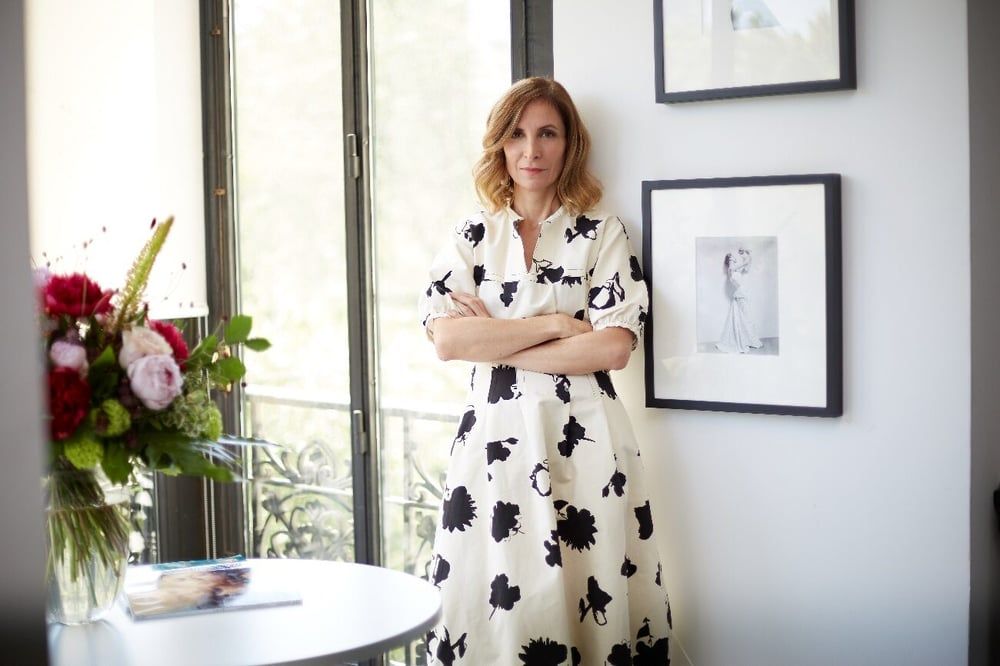
A personal shopper serves as a discreet professional whose primary function is to help clients define and articulate their sartorial identity. They provide expert advice, analyze individual needs, and orchestrate a style tailored to each client's unique body shape, personal goals, and preferences. The role has evolved significantly over time, undergoing major transformations as detailed in the study "From Luxury to Well-Being: The Personal Stylist’s Journey through Fashion History," published by online personal shopper company Lookiero. While once considered an exclusive luxury for an elite few, the profession has gradually become democratized, largely due to the rise of digitization.
The concept of seeking expert assistance to shape one's appearance is not new. As far back as the eighteenth century, clothing in Europe’s opulent courts served as a powerful signifier of status and influence. The emblematic figure of Marie-Antoinette perfectly illustrates this, where her elaborate wardrobe, though controversial at the time, represented a deliberate political and symbolic strategy. Her close collaboration with her trusted milliner, Rose Bertin, effectively foreshadowed the modern personal stylist role. Through Bertin's ideas and execution, she translated the queen’s aspirations into a strong and singular visual identity. This idea of "delegated taste" extended into the nineteenth century, as elites in London and Paris began entrusting specialized assistants with selecting their finery and accessories.
The early twentieth century marked a turning point in fashion's influence with the emergence of the fashion press. Publications like *Vogue* and *Harper’s Bazaar*, led by visionary editors such as Diana Vreeland and Carmel Snow, were instrumental in forging an aspirational narrative around feminine aesthetics. They positioned fashion as a powerful tool for personal expression and transformation. Concurrently, the burgeoning Hollywood film industry solidified beauty archetypes through icons like Audrey Hepburn and Marlene Dietrich. Behind the scenes, on-set stylists like the legendary Edith Head worked diligently to sculpt these iconic images, professionalizing the styling function and making it a more recognized role in creative production.
By the 1970s, the conceptualization of clothing shifted to a more pragmatic and even persuasive function. John T. Molloy’s highly influential book, *Dress for Success* (1975), revolutionized approaches to corporate attire. It presented a quasi-scientific methodology that linked specific visual codes directly to professional success. Molloy's approach had a profound impact, laying the foundation for image consultancy as a structured discipline and firmly establishing that one's image is a valuable professional asset.
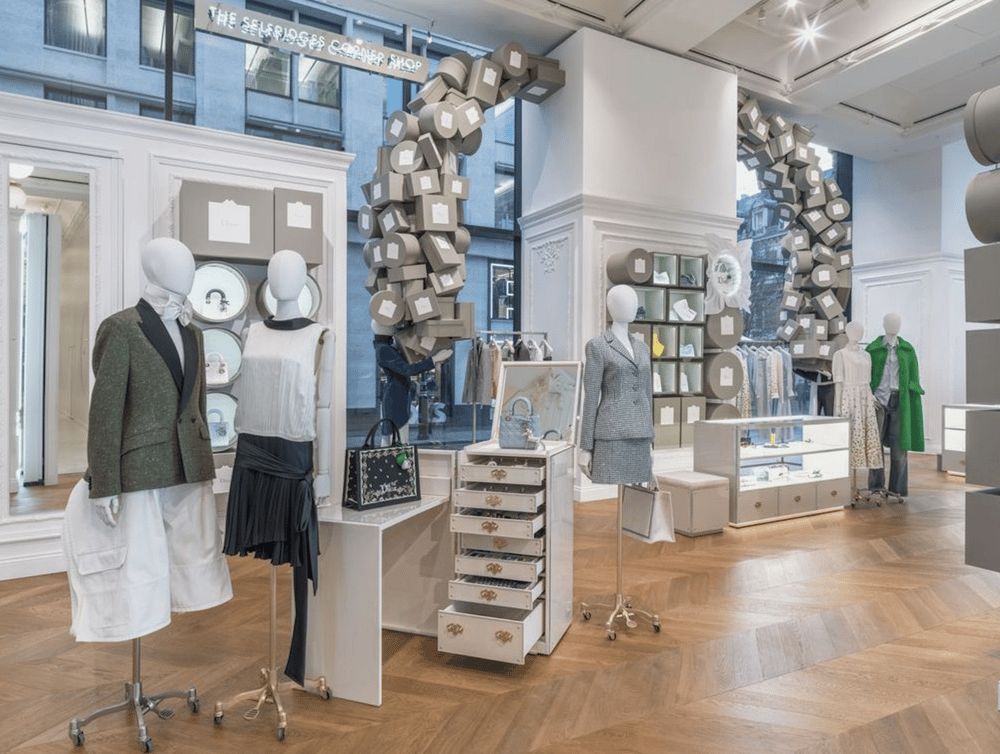
The 1980s were defined by aesthetic exuberance and a strong quest for individual self-assertion. Figures like Ray Petri, creator of the "Buffalo" style, challenged conventional norms by fusing urban and editorial aesthetics. It was also during this period that exclusive personal shopping services began to emerge in major metropolises like New York, London, and Milan, catering specifically to high-profile clients, executives, and celebrities. Luxury department stores subsequently integrated these services, recognizing them as essential components of the VIP experience.
The 1990s and 2000s were pivotal years for recognizing the personal shopper as a legitimate profession in its own right. Popular television programs, such as *What Not to Wear*, hosted by Stacy London and Clinton Kelly, argued that style is a skill that can be learned and mastered. Renowned stylists themselves achieved media prominence through their own reality shows, such as Rachel Zoe’s *The Rachel Zoe Project*, which gave audiences a look behind the scenes of their craft and popularized a new fashion lexicon. Simultaneously, experts like Nina García, then fashion director at *Elle*, published reference books that democratized stylistic knowledge, combining fashion culture, image psychology, and practical advice for a wider audience.
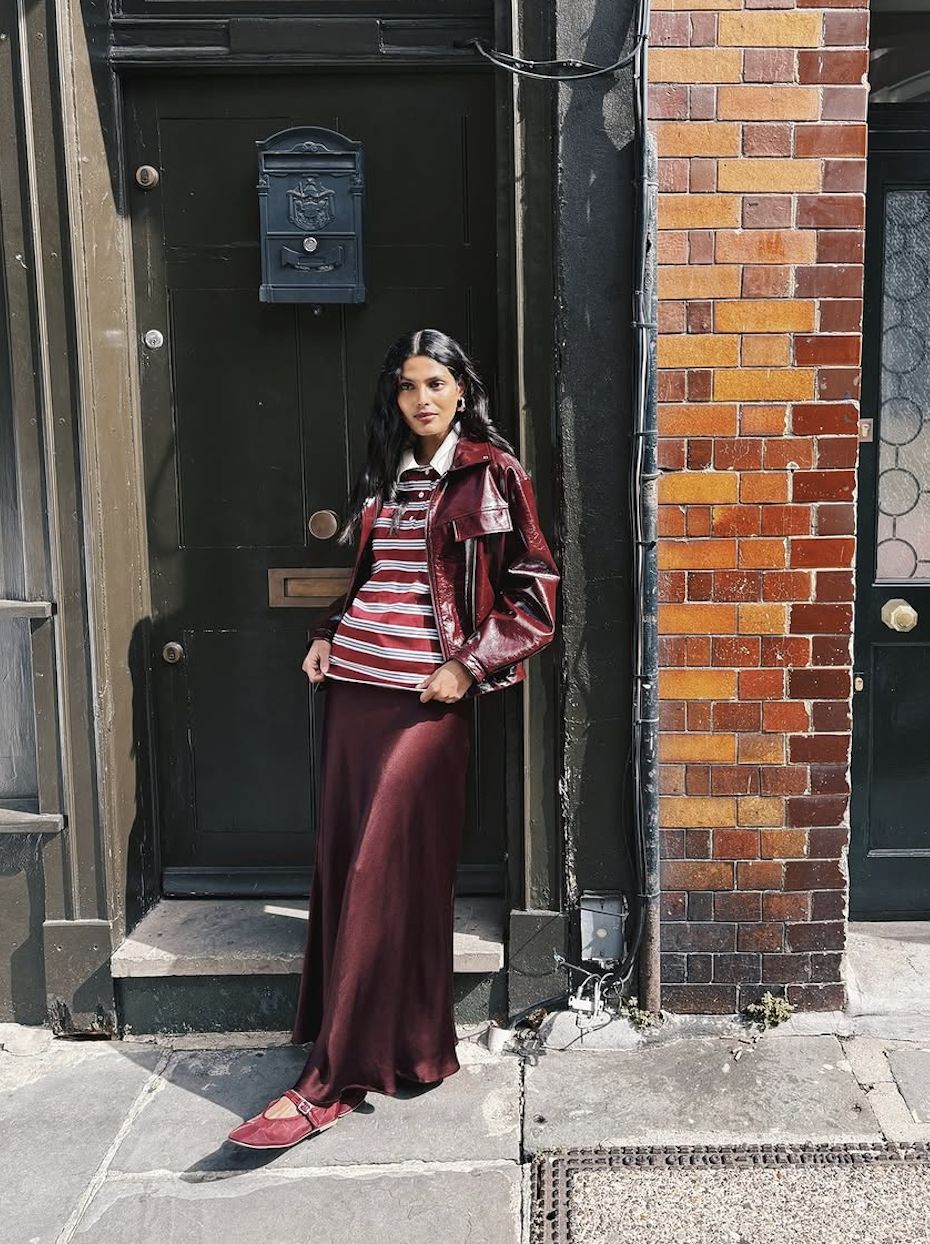
With the advent of the new millennium, the role of the personal stylist has adapted to a more diverse and highly technological environment. Online personal shopper platforms now leverage sophisticated algorithms and personalized questionnaires, enabling clothing selections to be made remotely without the client ever leaving home. Social networks have given stylists and image consultants the opportunity to build personal brands and cultivate a community, freeing them from traditional media dominance. The influencer figure often merges with that of the personal shopper, as these professionals utilize their profiles to educate, inspire, and guide stylistic transformations. Recent concepts, such as the "capsule wardrobe" and ethical fashion, have transformed the personal shopper into a true aesthetic coach, expanding far beyond their original function as a simple shopping advisor.
As the company behind the study noted, “The expansion of digital personal styling companies has democratized this service, making it accessible to a public previously far removed from what was perceived as a luxury reserved for the few.” Today, the personal shopper market is driven by prominent digital players such as Lookiero, Outfittery, and Clic and Fit. These digital services operate alongside traditional department store services at institutions like Le Bon Marché, Printemps, and Galeries Lafayette, as well as a growing number of independent professionals active across social networks.