Galeries Lafayette launches first store in India as part of strategic global pivot under new leadership.
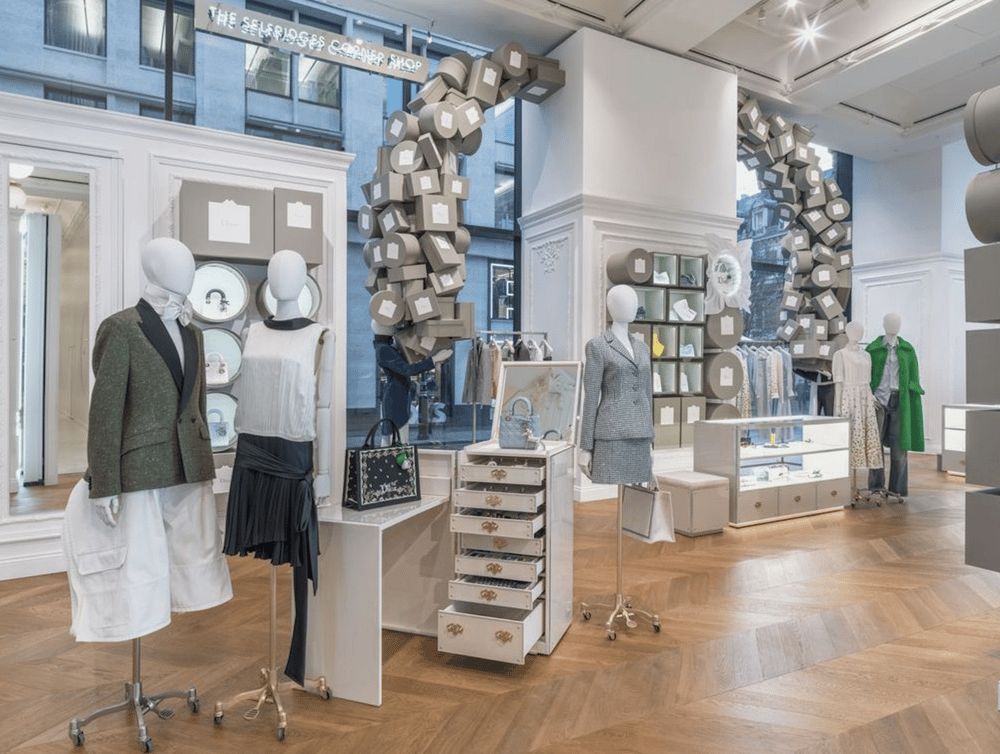
Galeries Lafayette has recently made a significant entry into the Indian market, inaugurating its first store in Mumbai in mid-November. This landmark opening marks a pivotal moment in the French group's international expansion strategy. The department store, located in the upmarket Kala Ghoda district in South Mumbai, operates in partnership with India's Aditya Birla Fashion and Retail. The business's first department store in India, a street-front concept spanning over 9,000 square metres, introduces several French and international brands to the Indian market for the first time.
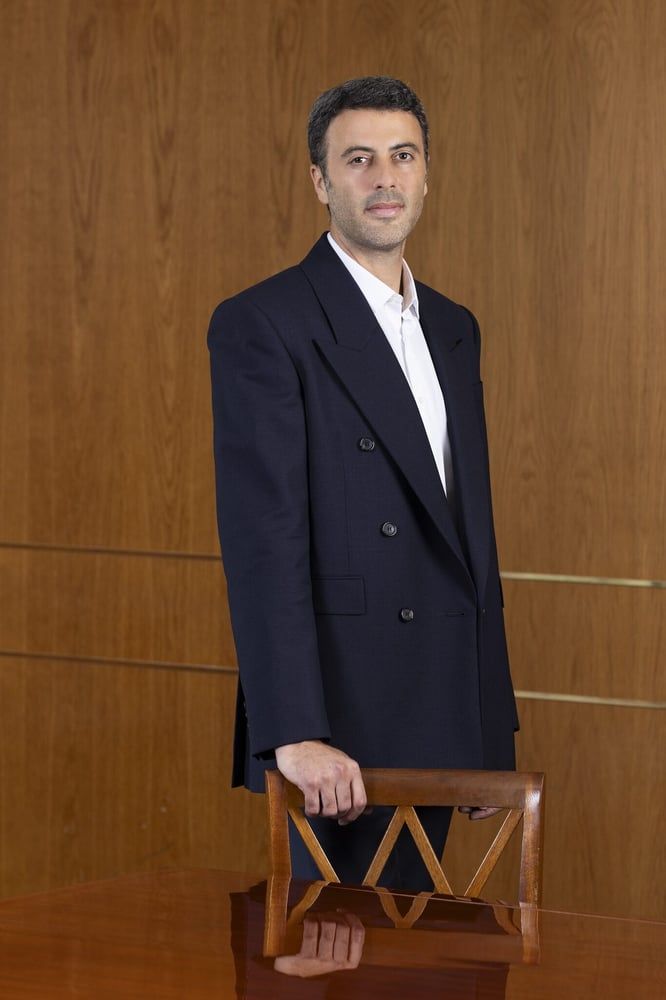
According to Arthur Lemoine, CEO of Galeries Lafayette, the Indian market presents unique opportunities due to its scale and momentum. While acknowledging long-standing cultural barriers, Lemoine points to the emergence of new social groups with international education and different aspirations, particularly those building technology businesses. The partnership with Aditya Birla, a local retail giant, was considered essential to navigate this rapidly evolving landscape. This collaboration, based on shared values and a long-term vision, aims to leverage a luxury market valued at 10 billion euros in 2024 and projected to triple by 2030, according to Business France.
The Mumbai store deviates from Galeries Lafayette's approach in regions like the Middle East or China, where stores are often located within shopping centres. The Mumbai location is a standalone, street-front store housed in a magnificent historic building from the 1920s. This design serves as a bridge between the French art of living represented by Galeries Lafayette and the local roots of Mumbai. As pioneers in the market, 70% of the assortment (approximately 200 brands out of 300 total) are entering the Indian market specifically through this opening. While the majority of brands are international to reflect the group's identity, the assortment includes local brands, and a local buying team ensures adaptation to customer expectations.
Addressing the challenge of customs duties and pricing in India, Galeries Lafayette collaborated with its partner brands to absorb cost differentials, ensuring price consistency with Dubai. This was deemed crucial given the proximity between the two locations. To introduce the "department store" culture to a clientele that may not be fully accustomed to it, the store incorporates tailored services. These include valet parking and private reception lounges, which are particularly essential during the local wedding season where expectations for service and gifts are high. The ground and first floors are designed to be modular, allowing the store to adapt its format based on customer feedback and evolving needs, with a food and beverage offering planned for the following year.
The long-term franchise agreement with Aditya Birla forms the basis for this expansion. While the specific duration is confidential, Lemoine confirms it is a long-term commitment. Galeries Lafayette's ambitions for this store are threefold: achieve initial sales targets of around 20 million euros, establish Mumbai as the starting point for national expansion (with Delhi remaining a priority, despite delays due to a shopping centre owner), and create synergies between the Indian and French stores, nurturing local customer relationships while encouraging travel to European locations.
The group's international development strategy extends beyond India, although it has evolved significantly in other markets. In China, where pre-Covid projects were announced, Galeries Lafayette adopted a cautious approach in response to market changes, including the emergence of local players and shifts in consumer spending following health and real estate crises. While Harrods announced its withdrawal from Shanghai, Galeries Lafayette chose to hold developments and adjust current operations in its three mainland China stores. The Middle East, in contrast, remains highly dynamic, with strong performance in Dubai and Doha, and serious consideration of projects in rapidly developing Saudi Arabia. International expansion, overall, remains a significant growth driver for the group.
Domestically, Galeries Lafayette has been undergoing significant structural changes, including a transition in leadership. Arthur Lemoine, who has been involved with the company for 15 years, took up the CEO role earlier this year. This transition was part of a broader shift within the family holding company, Motier. Lemoine is now focused on reviewing the organization, developing in-house talent, and welcoming new industry professionals to support the execution of a new strategic roadmap for 2026.
Regarding its domestic network strategy, Galeries Lafayette chose to implement a franchise model in 2017 to ensure business sustainability and focus investments on key locations like the Boulevard Haussmann flagship. This strategy allowed local partners to maintain a presence in various towns, leveraging their knowledge of local customers. However, this model has faced challenges with certain partners. Following difficulties with partners like Michel Ohayon and Société des Grands Magasins (SGM), the group made the decision to part ways with SGM to protect its brand image and positioning, particularly after SGM's association with Shein created incompatibility. The group's uncompromising stance on brand positioning was highlighted, reaffirming its commitment to offering a range of products from accessible to luxury, with a focus on responsibility via the "Go for Good" label.
The French network also requires active management, balancing openings with adaptations. While some franchises have successfully opened new locations (like Nîmes and Carré Sénart), other stores have closed (Rosny, Marseille) due to changes in catchment areas and high competition. The group is heavily investing in its flagship store on Boulevard Haussmann and in its website, which is experiencing double-digit growth. Renovations have also been completed in Annecy and Lyon Bron, with further comprehensive renovations planned for Bordeaux and Nice. The Champs-Élysées store is also undergoing an adaptation of its offer to better suit international and Parisian clientele, with changes continuing into 2026.
Looking ahead, the group has returned to pre-Covid business levels in 2024. The Black Friday period saw significant footfall, exceeding 200,000 visitors at Haussmann on certain Saturdays, a level comparable to the last Saturday before Christmas last year. This momentum suggests a positive outlook for December. The group has observed strong growth from both French clientele at the flagship and across the network, as well as from European, Middle Eastern, and American customers. In preparation for the festive season, an AI-based tool was launched on the website to aid in gift selection. Overall, Galeries Lafayette expects to finish the year on a very positive note.