Gen Z Drives Fragrance Boom With "New Lipstick Effect" Trend
Fragrances have emerged as a significant trend among Gen Z consumers, establishing themselves as a staple for the fastest-growing buyer category globally. Once considered a mere luxury, scents have transformed into a crucial avenue for young individuals to express their personal style and uplift their mood amidst prevailing economic uncertainties. Analysts are now likening this phenomenon to a "new lipstick effect," an economic theory positing that consumers gravitate towards smaller luxury items when the economy faces downturns, instead of larger, more expensive goods.
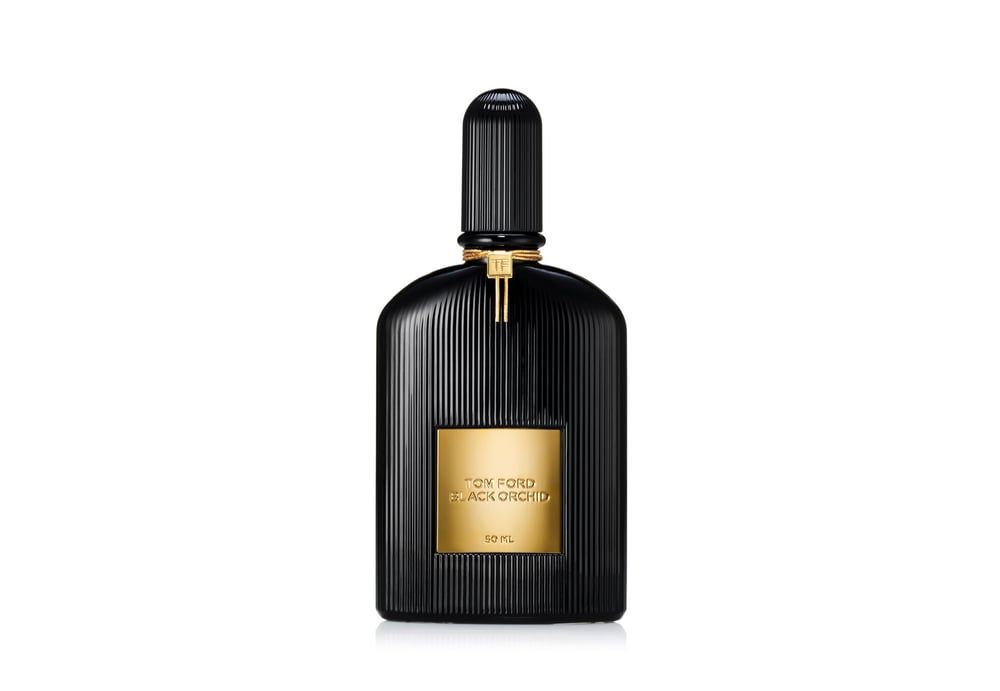
Major beauty industry players are actively capitalizing on this burgeoning demand. Companies like Estee Lauder, L'Oréal, and Coty – owners of renowned fragrance brands such as Le Labo, Tom Ford, Valentino, Yves Saint Laurent, Emporio Armani, and Ambre Antique – have indicated in recent earnings calls their intent to ramp up investments in their perfume businesses. These divisions have increasingly become primary drivers of their sales growth, prompting strategic shifts to prioritize fragrance development and marketing.
Coty, for instance, recently provided an optimistic quarterly forecast, attributing its positive outlook to the surging demand for its Calvin Klein and Hugo Boss fragrances. Laurent Mercier, Coty's CFO, highlighted plans for business expansion, noting that fragrances offer "a fantastic way for Gen Z to enter the category" and genuinely meet significant consumer needs. Data from Circana underscores Gen Z's impact, revealing that approximately 38% of total spending on fragrances in the 26 weeks ending July originated from households with a Gen Z member.
The trend's influence is evident across the industry's performance. Estee Lauder, owner of Jo Malone, experienced a notable boost from its fragrance business, which grew 14% on a reported basis in the quarter ended September, effectively offsetting subdued demand for makeup. In stark contrast, Elf Beauty, a company that surged in popularity through affordable makeup and dupes but does not sell perfumes, reported weaker-than-expected results, citing tariffs and muted consumer spending. Its shares plummeted by over a third on the day of the announcement, highlighting the current market's preference.
Big cosmetic companies are strategically enhancing their fragrance portfolios through various means, including acquisitions and divesting underperforming units to free up capital for perfume investments. L'Oréal made a significant move in October, securing a $4.7 billion deal to acquire cosmetic and fragrance brands from Kering, including rare 50-year licenses for brands like Gucci. Coty, conversely, is exploring the sale of brands such as CoverGirl and Rimmel to sharpen its focus on fragrances, a category that now constitutes three-quarters of its total sales.
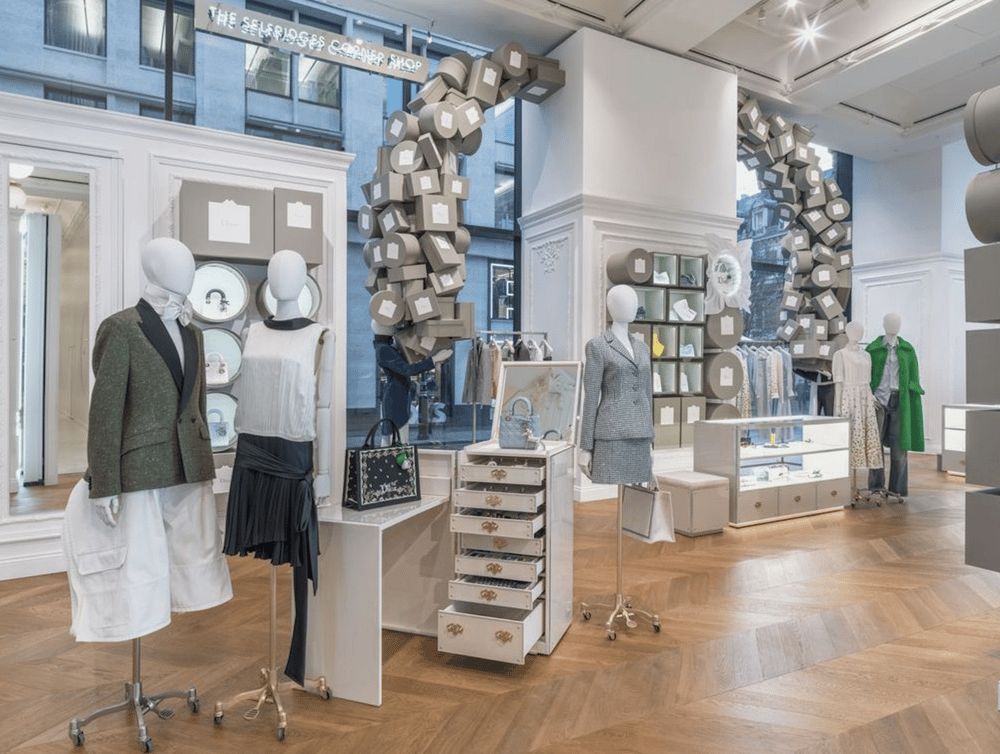
Kendal Ascher, a senior executive at Estee Lauder, emphasized that "Fragrance is having a cultural moment," pointing to rising disposable income and middle-class expansion in key markets like China, India, and the Middle East as significant catalysts for sustained category growth. In response, Estee Lauder opened around 40 new freestanding fragrance boutiques globally this year, including flagships in SoHo, New York, and a global Fragrance Atelier in Paris. The company is also leveraging AI-enabled tools to analyze how consumers describe scents, translating terms like "bright" or "happy" into fragrance families, and utilizing this insight for targeted TikTok videos to engage Gen Z shoppers.
The broader market data reaffirms this shift. Circana data indicates that global sales growth for fragrances has outpaced that of both makeup and skincare over the past year. Prestige fragrance sales saw a 6% increase to $3.9 billion in the first half of 2025, while prestige makeup sales rose by a mere 1%, and prestige skincare declined by 1% during the same period. Michael Ashley Schulman, chief investment officer at Running Point, succinctly summarized the appeal: "It is a product segment that gives consumers a taste of prestige, quality, or status (or personal indulgence) without the price tag of full-blown premium/luxury goods."