Gen Z Reimagines Luxury Challenging Old Guard Brands
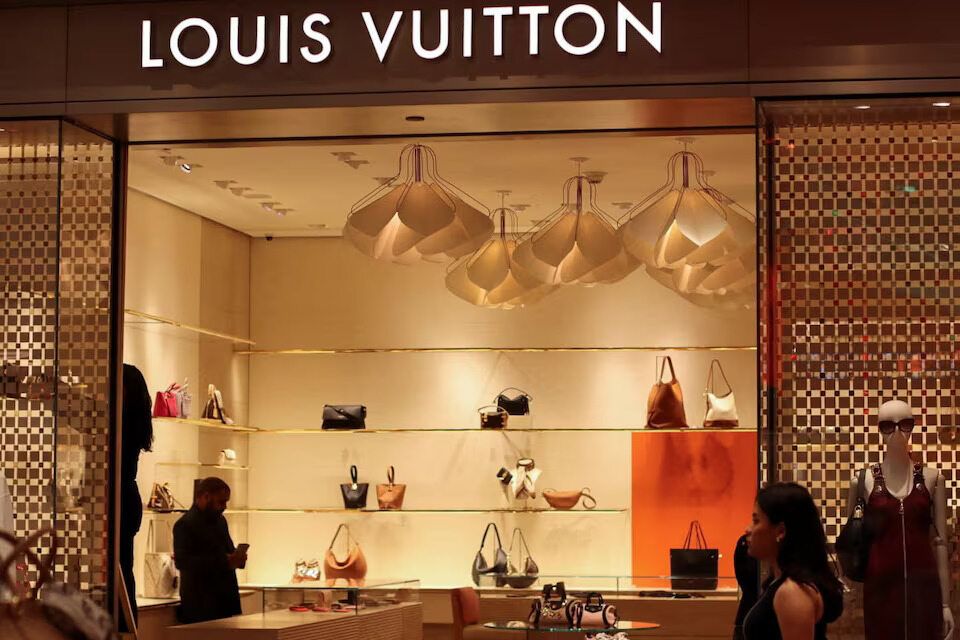
The luxury market is undergoing a significant transformation, driven by the evolving preferences of Generation Z. For young consumers like Fleur Arbel and Christophe Kairouz, both 24, traditional luxury houses with prominent logos, exemplified by their perception of Louis Vuitton, often come across as "passé." Despite a vibrant in-store display, their shopping dollars are more likely to be spent elsewhere, reflecting a sentiment that some legacy brands have "failed to keep the luxury image" and need to innovate with "something new, original."
Gen Z, defined as those born between 1998 and 2012, is quickly becoming the luxury industry's most critical demographic. This group, which accounted for 4% of global luxury spending before the pandemic, is projected to command a substantial 25% by 2030, according to the Boston Consulting Group. This generation presents a unique challenge for brands, being less predictable than their predecessors. Heavily influenced by a global social media landscape, Gen Z shoppers are characterized by their eclectic style, mixing established names with trendy labels, and shopping across a spectrum of platforms from TikTok to thrift stores. Executives note a striking "similarity between Gen Z in Shanghai and Los Angeles and London," highlighting their globally connected mindset.
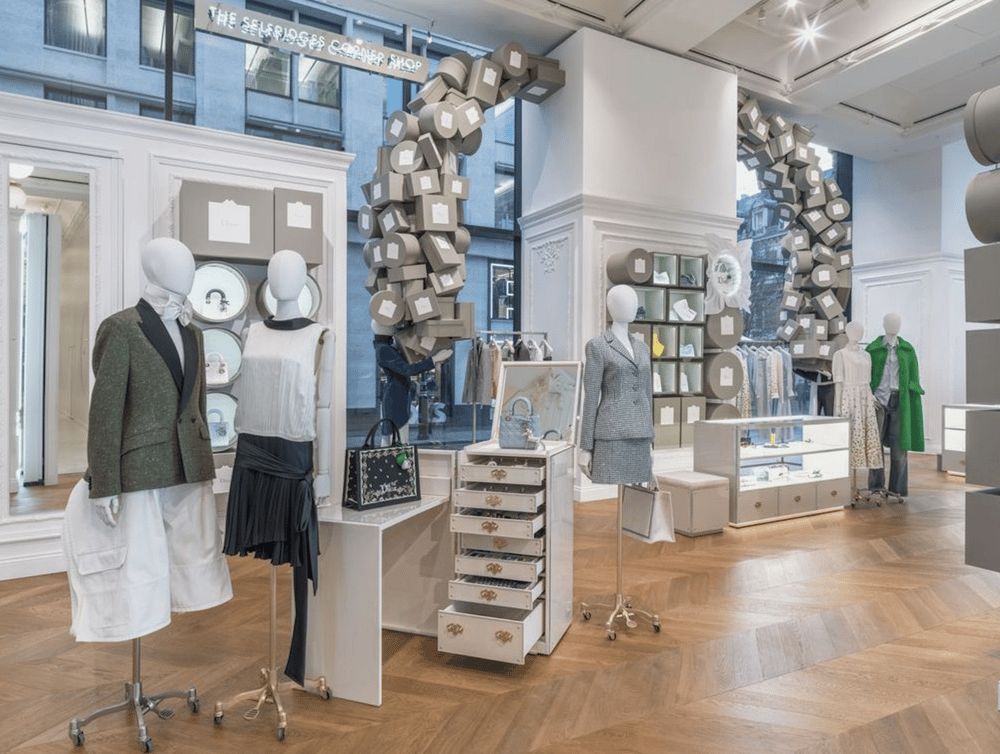
To capture this elusive demographic, brands have deployed a range of strategies, including collaborating with influencers, hosting engaging pop-up shops, and offering more accessible entry-point items like bag charms. More affordable luxury companies, such as Coach and Ralph Lauren, are particularly adept at capitalizing on this generational shift. Coach, for instance, has successfully enhanced its appeal among Gen Z through strategic influencer partnerships, personalized services, and a strong emphasis on sustainability. Coach-parent Tapestry's CFO and COO, Scott Roe, attests that Gen Z is not inherently less brand-loyal but requires a substantial "share of voice" to break through the myriad of choices available to them. This heightened engagement comes at a cost, with Tapestry increasing its marketing spend from 3% of sales pre-pandemic to 10% this year.
The shift in consumer preferences is also opening doors for upstart and niche established labels. Brands like Collina Strada and Mary-Kate and Ashley Olsen's The Row are gaining significant traction. Collina Strada, which started targeting Gen Z with digital ads in 2020, now sees this generation and Millennials account for 58% of its business. Creative director Hillary Taymour credits this success to the brand's blend of "sustainability with a playful, meme-driven aesthetic," coupled with "inclusive casting and diverse runway shows" that foster a sense of community among younger audiences. The Row notably climbed to sixth place in the recent Lyst Index, a key indicator of hottest luxury brands based on fashion shopping platform data.
While some legacy brands struggle, others are thriving with Gen Z. Kering-owned Bottega Veneta, Prada Group's Miu Miu, and LVMH-owned Loewe continue to perform exceptionally well. Miu Miu, currently topping the Lyst Index, saw sales surge by 49% in the first half of 2025 compared to the previous year. It successfully attracts first-time luxury buyers with items like leather bag charms, priced between $240 and $1,250. Achim Berg, founder of FashionSIGHTS, explains that brands like Miu Miu excel because "single pieces mirror the brand identity, allowing Gen Z consumers to buy into the brand without having to purchase a full look." These less expensive items are crucial for younger luxury shoppers, who remain more budget-conscious than their older counterparts, seeking long-lasting value in their investments.
Conversely, some luxury powerhouses have faced significant headwinds. Kering-owned Gucci experienced a 25% drop in sales in the second quarter, leading to the departure of its CEO after just nine months. Data from Gen Z researcher dcdx further revealed Gucci suffered the sharpest decline in social media engagement among top luxury labels over the past year. This stark divergence illustrates a clear division, with Frederica Levato, senior partner at Bain & Company, observing that "legacy brands are splitting into clear winners and losers." This dynamic is reflected in stock performance, with Kering shares losing 43% of their value in the last two years, while Tapestry's have more than tripled.
Looking ahead, the global luxury landscape could see the emergence of new players, particularly from China, with brands like Uma Wang and Shushu/Tong gaining international recognition. Chanel CEO Leena Nair highlights the digital fluency and ability of newer Chinese companies to capture China's national identity as key factors in their traction with younger Asian shoppers. Her broader message resonates across the industry: "You cannot take the longevity of a brand for granted. You stay in the public consciousness and you have the iconicity because you're relevant and timely, and constantly modern." For luxury brands, adapting to Gen Z's values and evolving demands is not merely an option but a necessity for enduring success.