Golden Goose Sells for $2.9 Billion in Lucrative Buyout Deal
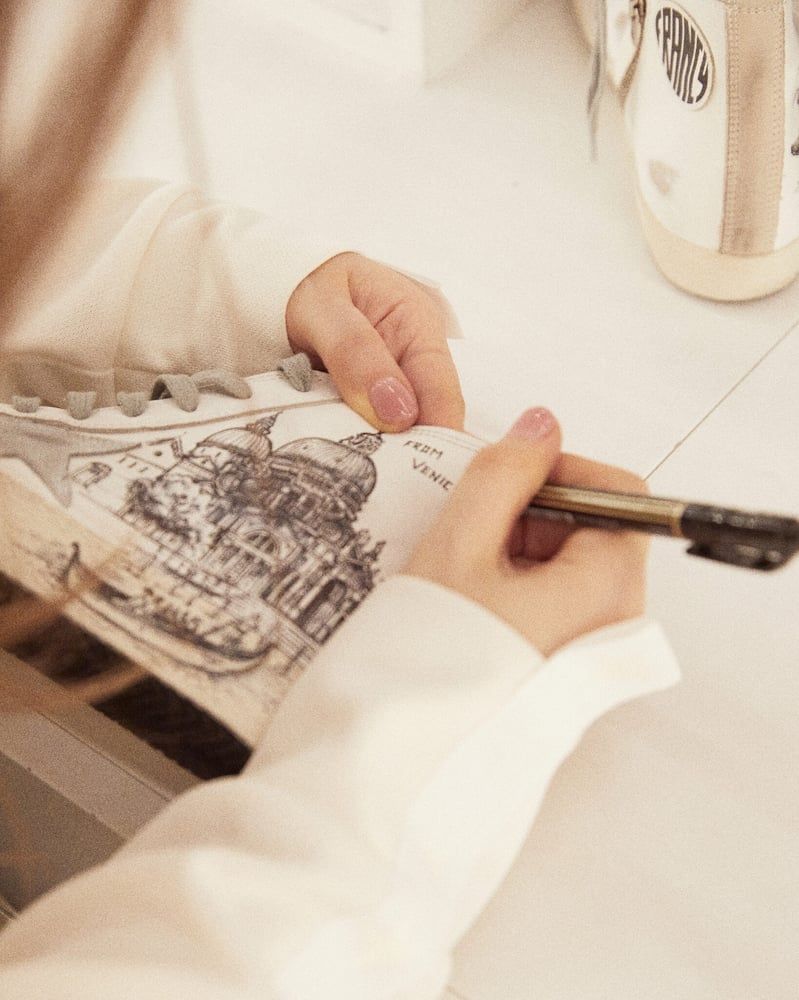
Golden Goose SpA, the Italian creator of deliberately distressed sneakers – some adorned with crystals and priced up to $2,000 – has been sold for a hefty €2.5 billion ($2.9 billion). This valuation is a significant success story, especially considering the challenging economic climate.
The sale, orchestrated by Permira to HSG (formerly Sequoia Capital China) with Singapore’s Temasek as a minority investor, represents a rare large-scale exit from a generation of buyout deals initiated as the world recovered from the pandemic, just before interest rates began to climb. The transaction surpasses Prada’s recent acquisition of Versace in size and occurs during a period of sluggish demand within the luxury goods sector. While the valuation is lower than initially anticipated during a failed IPO attempt 18 months ago, Permira has effectively doubled the company’s value in five years, having acquired most of Golden Goose from Carlyle for €1.3 billion in 2020.
An initial public offering in Milan last year was abandoned due to investor concerns over a €3 billion enterprise value, fueled by the struggles of Dr. Martens, another former Permira portfolio company. A broader slowdown in the high-end goods market, following a period of robust growth, further contributed to the IPO’s failure.
Interestingly, the current downturn – the most significant since the financial crisis, excluding the pandemic – has actually benefited Golden Goose. As affluent consumers scaled back spending, major luxury brands like Louis Vuitton and Gucci shifted their focus towards the wealthiest clientele, neglecting their entry-level offerings, such as designer sneakers, and creating an opportunity for Golden Goose to thrive.
These megabrands also significantly increased prices on their core products. According to HSBC analysts, the average cost of a basket of iconic luxury items in Europe rose by 54% between 2019 and the end of 2024. In contrast, Golden Goose has only increased prices by 4% over the same period, making its sneakers, averaging €550 including customization, appear more appealing in terms of value.
Golden Goose has demonstrated strong financial performance, increasing sales from €266 million in 2020 to €655 million in 2024. This growth has continued into the current year, with sales up 13% and earnings before interest, tax, depreciation, and amortization (EBITDA) up 7% in the first nine months. Projections suggest sales could reach €740 million and EBITDA close to €250 million in 2025, assuming continued momentum.
The sale price represents approximately 10 times EBITDA, a discount compared to Moncler’s 13 times and Birkenstock’s 11 times, but still represents a substantial return for Permira. The firm will retain a minority stake in the company.
HSG’s previous investments in companies like Labubu maker Pop Mart, TikTok owner ByteDance, and Chinese social media platform Red Note suggest a strategic focus on expansion within Asia. Currently, only 12% of Golden Goose’s sales originate from the region, with China accounting for a mere 7%, significantly less than most luxury brands. The Americas represent approximately half of its sales, with the remainder coming from Europe and the Middle East.
China presents a significant growth opportunity. With traditional luxury items like Gucci handbags and Chanel pumps losing some of their appeal, there’s growing demand for unique products that resonate with younger consumers. The success of customizable Crocs clogs among Gen Z in China demonstrates this trend, boding well for Golden Goose.
Sneakers currently account for 90% of Golden Goose’s sales, indicating potential for diversification. Expanding into personalized bags and clothing, particularly in the US and China, represents a viable strategy. Temasek’s investment experience with brands like Stone Island and Ermenegildo Zegna, along with the appointment of ex-Gucci boss Marco Bizzarri as chairman, should provide valuable support.
Achieving Golden Goose’s long-term goal of €1 billion in annual sales will be challenging. While the Chinese luxury market is showing signs of recovery, it will take time. Furthermore, Chinese consumers are increasingly focused on performance-oriented sneakers for athletic activities, a segment where Nike has faced recent challenges. Additionally, major luxury brands are re-entering the market for more accessible products, increasing competition.
If Golden Goose can successfully expand in China and evolve into a broader lifestyle brand akin to Ralph Lauren, its future prospects are bright. However, given the recent difficulties faced by private equity firms, securing a profitable exit at this stage is a prudent move.