Greenpeace Report Exposes Shein's Toxic Fashion Scandal
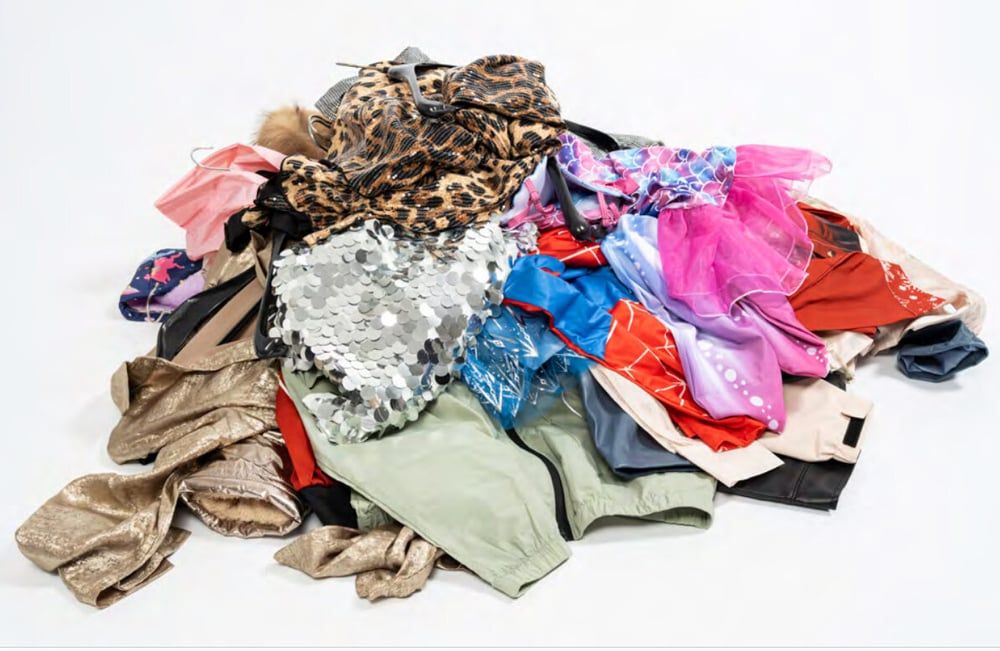
A recent report by Greenpeace has once again brought into sharp focus the persistent issue of hazardous chemicals in clothing sold by fast-fashion giant Shein. Published on Thursday, the report reveals that many Shein garments contain dangerous substances far exceeding the stringent limits set by European Union regulations, specifically the REACH framework. Out of 56 items rigorously analyzed, 18 were found to harbor these harmful chemicals, with some concentrations being alarmingly high. Notably, seven products, primarily jackets, exhibited PFAS (per- and polyfluoroalkyl substances) levels up to 3,300 times higher than EU thresholds, while fourteen items surpassed phthalate limits, six of which were over 100 times the permitted levels. These findings underscore Greenpeace Germany's continued condemnation of the fast-fashion industry's practices.
The chemicals detected, including phthalates (plasticisers) and PFAS (known as "forever chemicals" due to their persistence and used for water and stain repellency), pose significant risks to both human health and the environment. Greenpeace highlights that these potentially toxic substances have been linked to a range of severe health issues, such as various cancers, reproductive disorders, impaired growth in children, and a weakened immune system. They can enter the human body through skin contact and the inhalation of fibers. Of particular concern is the presence of these chemicals in children's clothing, as children are more vulnerable to exposure, with a risk of ingestion through mouthing or playing with items. Furthermore, the washing of these garments facilitates the release of these substances, allowing them to infiltrate rivers, soils, and ultimately the food chain.
This is not the first time Greenpeace has issued such a warning; in 2022, the NGO identified dangerous chemicals in seven out of 47 Shein products tested. Greenpeace Germany's Moritz Jäger-Roschko explicitly accused Shein of embodying "an unhealthy system of overproduction, greed and pollution of the planet." The scale of Shein's operations is immense, with Shein.com reportedly attracting 363 million visits per month, making it the most-visited fashion site globally, surpassing the combined traffic of industry giants like Nike, Myntra, and H&M.
In response to such allegations, Shein has previously stated that it takes "precautionary measures" by removing identified items from sale worldwide. A similar statement was issued in October after German consumer organization Stiftung Warentest warned about dangerous substances in products from Shein and Temu, including baby play mats and jewelry. Shein also publicized substantial investments in monitoring its subcontractors in the first half of 2025, introducing a manufacturing restricted substances list (MRSL) in 2024, conducting over two million tests, and excluding 260 non-compliant suppliers. However, Greenpeace's latest report casts serious doubt on the effectiveness of these measures, asserting that "Shein products still contain hazardous chemicals in excess of EU limits" and that some previously flagged items reappear in almost identical forms, potentially from the same suppliers. The NGO concludes that given the vastness of its product range and supplier network, Shein appears incapable of controlling the chemicals used in its products.
Beyond a mere lack of oversight, Greenpeace argues that the Singapore-based company is strategically structured to circumvent European requirements. The NGO claims Shein "exploits a loophole in European chemical regulation: as sellers on the platform ship directly to consumers within the EU, Shein can circumvent REACH obligations." This allows the company to operate without facing significant consequences for selling non-compliant products, effectively prioritizing profit over the safety of individuals and the planet.
Shein and other Asian online sales platforms have increasingly faced a concerted offensive from environmental and human-rights associations, European companies, and regulatory authorities. This has led to a wave of investigations, substantial fines, and proposals for new legislation aimed at curbing their rapid growth. The European Commission has announced plans to propose legislation next year to address these systemic problems. Moreover, in a significant step, EU member states recently agreed to abolish the duty exemption on low-value orders from companies like Shein, signaling a broader effort to level the playing field and enforce higher standards.