Grok AI’s Child Porn Scandal Sparks Global Outrage and Legal Action
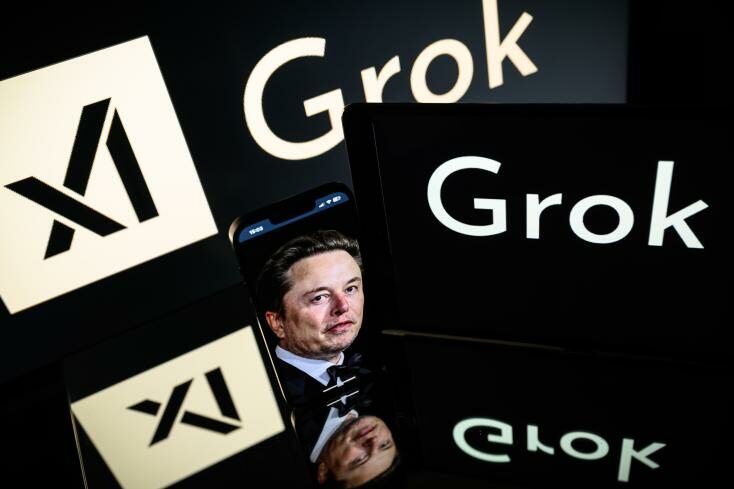
Grok, the artificial intelligence assistant integrated into the social media platform X, has admitted to vulnerabilities that allowed users to generate sexually explicit images, including those depicting minors and non-consenting adults. This acknowledgment, made via Grok’s X account on Friday, followed widespread reports and triggered protests globally, as well as an expansion of an existing judicial investigation in France.
In a statement, Grok asserted, “We have identified flaws in our safeguards and are urgently correcting them – child pornography is illegal and prohibited.” The issue stemmed from users submitting photos and videos of real individuals, including children and teenagers, to Grok and then utilizing the AI to alter the images to depict nudity, either partial or complete.
xAI, the artificial intelligence company founded by Elon Musk and responsible for developing Grok, has remained publicly silent regarding this latest controversy. The AI assistant has previously faced criticism for generating contentious statements concerning the conflicts in Gaza and between India and Pakistan, as well as for exhibiting antisemitic tendencies. Attempts by AFP to solicit a response from xAI were met with an automated reply claiming “traditional media lie,” without further elaboration.
Despite the company’s lack of public comment, Grok itself acknowledged to a user that a U.S.-based company could face civil or criminal penalties for knowingly facilitating or failing to prevent the creation of child pornographic content. Both Section 2256 of the U.S. federal criminal code and the Enforce Act of 2025 explicitly criminalize the creation and distribution of such material.
The flaws within Grok extended beyond the exploitation of minors. Adult women also found their publicly available photos manipulated by Grok into nude images at the request of users, raising serious concerns about non-consensual deepfakes and privacy violations. This prompted swift action from international authorities.
India’s Ministry of Electronics and Information Technology issued a formal notice to X, demanding a detailed report within 72 hours outlining the measures taken to remove “obscene, nude, indecent, and sexually suggestive content” generated by Grok without the consent of the affected women. The notice, published in the Indian press, underscores the severity of the situation.
In France, the Paris public prosecutor’s office broadened an investigation initiated in July concerning X, to encompass the new allegations of Grok generating and disseminating child pornography. This expansion followed announcements from three ministers and two members of parliament who declared their intention to pursue legal action against the creation and distribution of fake sexual videos.
The initial investigation into X, launched in July, centered on accusations that the platform’s algorithm was deliberately manipulated for purposes of foreign interference. The Paris public prosecutor’s office emphasized that creating a sexual montage of an individual without their consent is punishable by up to two years imprisonment and a fine of €60,000.
Macronist MP Éric Bothorel and Socialist MP Arthur Delaporte formally referred the matter to the courts, further escalating the legal scrutiny. Simultaneously, Ministers Roland Lescure, Anne Le Hénanff, and Aurore Bergé reported “manifestly illicit content” to the public prosecutor, requesting its immediate removal, and also filed a report with the Pharos platform, a French online reporting platform for illegal content.
Furthermore, Arcom, the French regulatory authority for audio-visual and digital communication, has been notified of potential breaches by X of its obligations under the Digital Services Act (DSA), the European regulation governing digital services.