Harrods Posts Significant Losses Amid Luxury Slowdown and Fayed Scandal Fallout
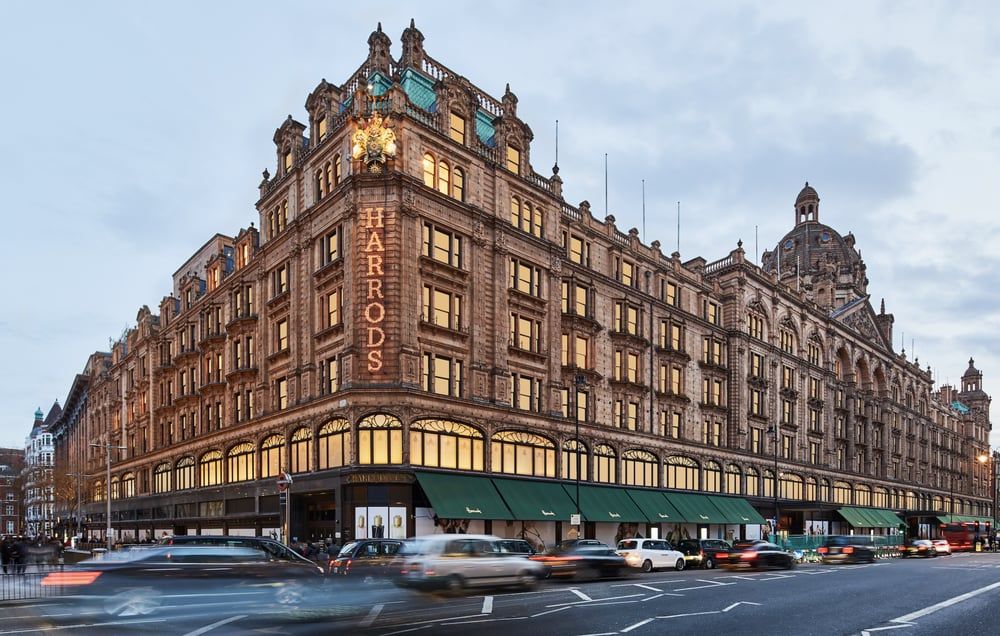
The challenges facing high-end retailers in the UK, particularly the impact of the luxury slowdown and the ongoing absence of VAT-free shopping for tourists, have once again been highlighted by recent financial disclosures. Following Selfridges' 2024 results last week, Harrods has now released its own figures ahead of its Companies House filing, painting a detailed picture of the current landscape for one of the world's most iconic luxury destinations.
Harrods Group (Holding) Limited reported a 2.4% decline in gross transaction value (GTV) excluding VAT, falling to £2.198 billion for the year ending February 2025. This contrasts sharply with the 6.6% rise observed in the previous year. While turnover did edge up by 0.6% to just under £1.082 billion, this figure remained below the UK's inflation rate and marked a significant slowdown from the prior year's 8.2% growth.
Profitability saw a more substantial hit. Operating profit, before exceptional items and pension loss on settlement, decreased by a notable 17% to £177.7 million. The bottom line shifted dramatically, with the company recording a pre-tax loss of £34.3 million, a stark reversal from the £111.5 million profit reported a year earlier. Similarly, profit after tax turned into a loss of £36.5 million, contrasting with the prior year's positive net profit of £76.7 million, which itself was a reduction from £135.8 million.
Harrods' Managing Director, Michael Ward, attributed the fall in operating profit to "investment in employee salaries and increased distribution costs," while simultaneously asserting the "strength of the fundamentals of our business." The more significant swing to pre- and post-tax losses, however, was explained by "significant exceptional costs." These included a strategic digital transformation of the company's enterprise resource planning system, alongside a crucial provision for redress and associated costs for survivors of historic abuse perpetrated by Harrods' former Chairman and owner, Mohamed Fayed. Compensation awards and interim payments to eligible survivors commenced in late April 2025, with the scheme slated to remain open until March 31, 2026.
While the Mohamed Fayed scandal continues to generate negative headlines, Harrods' turnover figure suggests that shoppers largely differentiate between the past events and the current business operations. The institution maintains its status as one of the world's most prominent luxury retailers. Ward underscored this resilience, stating that "2024 was a year of stable trade for Harrods [regarding] turnover… despite trading conditions in the luxury sector remaining challenging." He also highlighted Harrods' "outperformance by Harrods of the luxury industry as a whole," citing the latest Bain & Company and Fondazione Altagamma estimate that global luxury spending dipped to €1.48 trillion in 2024.
Ward further emphasised the "resilience of Harrods’ business strategy of commitment to exceptional customer offerings and ongoing investment." This commitment is evident in continuous developments within its Knightsbridge store, including the ongoing redevelopment of its womenswear spaces and the renovation of The Georgian restaurant, all aimed at enhancing the customer experience.
Despite acknowledging that the market remains challenging, Ward conveyed confidence in the path forward. He stated, "we remain confident in the strength of the business, and the resilience of the luxury sector, and that we will continue to drive progress towards longer-term growth and performance objectives." This outlook suggests a strategic focus on sustained investment and operational excellence to navigate the evolving luxury retail environment.