India's Tax Shift: Luxury SUVs Cheer, Premium Fashion Faces a Slap
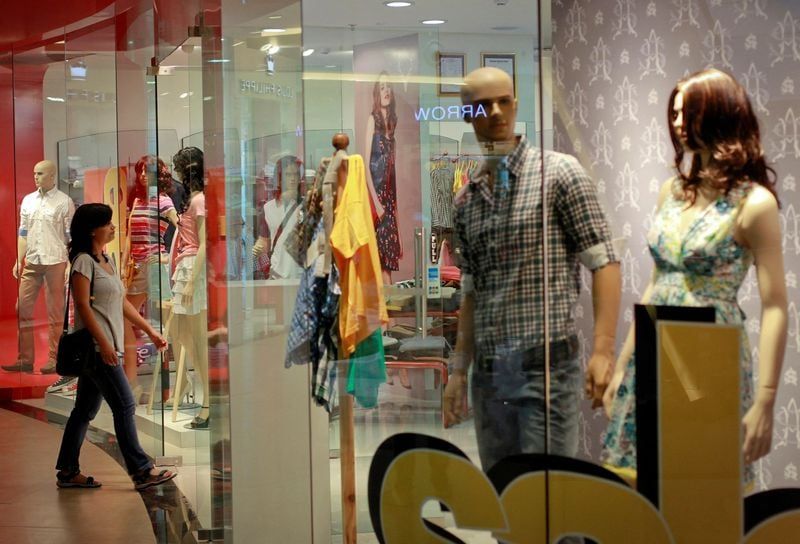
India's recent overhaul of its consumer tax system, championed by Prime Minister Narendra Modi's government, has introduced sweeping changes with a mixed impact across various sectors. While the reform aims to make daily essentials and consumer electronics more affordable, and even offers a surprising tax cut for luxury SUVs, it has simultaneously introduced higher levies on premium apparel. This move has unsettled global fashion brands operating in the burgeoning Indian market, fearing a significant blow to their sales and growth prospects.
The core of the new apparel tax structure dictates that garments costing less than 2,500 rupees ($29) will be taxed at a reduced rate of 5%. However, items priced above this threshold will now face a substantially higher levy of 18%. This adjustment, set to take effect on September 22, marks a significant increase from an earlier slab of 12% for some premium items. This shift is particularly impactful given that India's apparel industry, valued at $70 billion, sees its premium wear segment account for approximately 18%, driven by a growing number of affluent individuals and brand-conscious young consumers.
Major international fashion houses such as Zara, Levi Strauss, Lacoste, PVH Corp, Marks and Spencer, Gap Inc, Under Armour, Nike, H&M, and Japan's Uniqlo are now under increased pressure. Industry executives express concern that while aspirational young people view purchases of these brands as a lifestyle upgrade, they remain highly sensitive to price changes. As one chief executive of a foreign garment brand in India noted anonymously, "Retail works on wafer-thin margins, and overheads like rents are extremely high. Growth that we were expecting earlier won't come now," adding that the 2,500-rupee price point is considered "basic now," not a luxury.
The situation presents a "double whammy" for some domestic garment manufacturers. Not only do they face the implications of higher domestic taxes on premium wear, but their thriving U.S. export business is also grappling with President Donald Trump's tariffs of 50%. For instance, Arvind Fashions, which holds domestic franchisee rights for Tommy Hilfiger and Calvin Klein, has an affiliate, Arvind Ltd, that manufactures foreign brands for export, with the U.S. market representing roughly 30% of that business.
In stark contrast to the apparel sector's woes, other industries are celebrating the tax reform. The drastically cut consumption levies on daily essentials and consumer electronics are expected to boost affordability. Moreover, luxury carmakers like Mercedes-Benz have received a surprising boon, with their tax rate reduced to a flat 40% from up to 50% previously, coinciding with record sales in recent months as consumption surges.
The Clothing Manufacturers Association of India (CMAI) has vociferously warned that the higher rate on apparel could spell the "death knell for the industry." They argue that items costing more than 2,500 rupees are "consumed in large numbers by the common man and middle class," not just the wealthy. Examples abound: most of the 875 new arrivals on Superdry India's website are subject to the 18% tax, with jackets upwards of $170 and shirts at $60. Similarly, on Lacoste India's website, men's T-shirts can cost as much as $99, with none priced below the $29 threshold for the higher tax.
Beyond everyday fashion, the tax hike is also set to impact significant cultural expenditures, particularly for weddings. Lavish marriage celebrations are a substantial industry in India, with urban families often spending thousands of dollars on traditional sarees, men's jackets, and other ceremonial attire. The clothing association lamenting that "putting these clothes in the 18% slab will result in parents compelled to make inferior clothing for their favourite child on their favourite day."
While the tax hikes will also apply to ultra-luxury goods from brands like Louis Vuitton, Dior, and Versace, one luxury industry executive suggested that the impact on India's wealthiest consumers might be limited, particularly given that some may opt for more tax-efficient purchases while traveling abroad. Nevertheless, for the broader premium apparel segment, which relies heavily on aspirational consumers, the new tax regime presents a formidable challenge, potentially dampening the robust growth anticipated in a market where foreign premium brands have been actively expanding their retail and e-commerce footprint.