Indonesia and EU ink major economic pact, slashing tariffs and boosting trade.
Indonesia and the European Union have reached a significant milestone in their economic relationship, formally signing a "substantive conclusion" of a comprehensive economic partnership deal on Tuesday during a pivotal meeting held in Bali. This agreement marks a crucial step towards deepening trade and investment ties between the Southeast Asian nation and the European bloc, paving the way for enhanced economic cooperation.
A key provision of this newly concluded deal is the removal of tariffs on an impressive 80% of Indonesian products destined for the European market. Indonesian officials have confirmed that this tariff elimination will significantly benefit the country's top commodities, including highly sought-after palm oil, as well as crucial fishery and textile products. This move is expected to provide a substantial competitive advantage for Indonesian exports, making them more attractive and accessible to European consumers and industries.
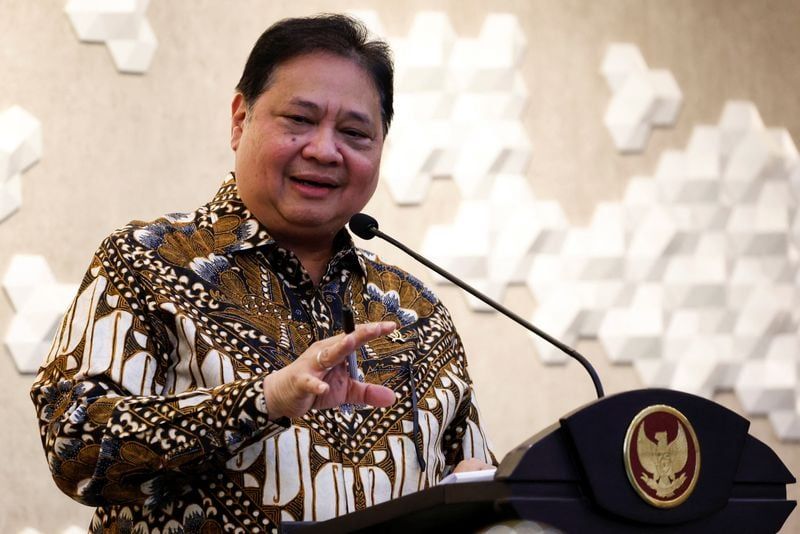
Looking ahead, Indonesia's Chief Economic Minister, Airlangga Hartarto, expressed an ambitious target for the pact to officially enter into force on January 1, 2027. The Indonesian government anticipates a robust economic impact, projecting that trade between Indonesia and the EU will double within the first five years of the agreement's implementation. This optimistic outlook is grounded in the current trade figures, which, according to Indonesia's economic ministry, amounted to a substantial $30.1 billion in 2024 between the two parties.
From the European Union's perspective, EU Trade Commissioner Maros Sefcovic emphasized the multifaceted benefits of the agreement. He highlighted that the deal is expected to significantly bolster investment into Indonesia by European companies, fostering economic growth and job creation. Furthermore, Sefcovic pointed out the strategic importance of the pact in helping to diversify the supply chain, particularly for critical minerals, which Indonesia possesses in abundant quantities. This aspect underscores the agreement's role in strengthening global supply chain resilience and securing essential resources for European industries.