Italy Declares Armani Off Limits for Government Intervention
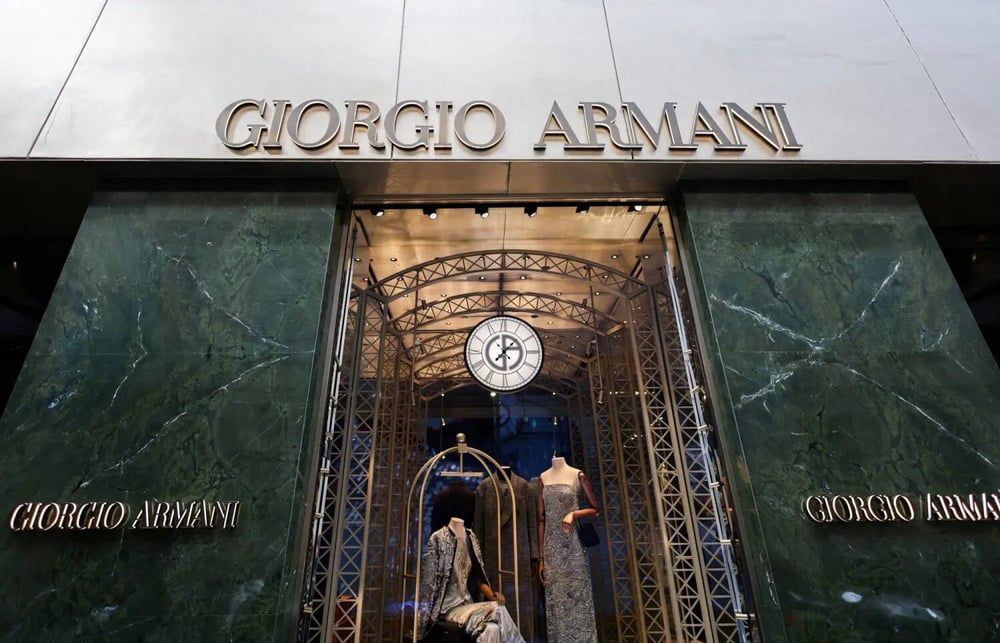
The Italian government has confirmed it will not intervene in any future sale of a stake in the luxury fashion house Armani, even if the transaction involves a foreign entity. Italy’s Industry Minister, Adolfo Urso, clarified this stance to Reuters, stating that the government’s “golden powers” would not be applicable in such a scenario.
Minister Urso specifically addressed the question of potential government intervention, asserting that "Armani doesn't fall within the scope of national security." This declaration is crucial because Italy's "golden powers" are a set of governmental prerogatives designed to block or impose conditions on foreign and domestic corporate acquisitions in sectors deemed strategic to national interest, such such as energy, telecommunications, and banking. The minister's statement effectively removes Armani from this list of strategic sectors, paving the way for market-driven decisions regarding its future.
Adding weight to this position, Urso noted that the late Giorgio Armani's long-term plans for the company, which he led for half a century, were clearly articulated in his will. These explicit instructions, according to the minister, further reinforce that current regulations do not provide a basis for government intervention in the succession or sale process of the fashion house.
Giorgio Armani’s will outlines a detailed succession strategy following his passing last month at the age of 91. It stipulates an initial sale of a 15% stake in the fashion house within 18 months of his death. Furthermore, the will directs that an additional 30% to 55% stake should either be transferred to the same buyer or the company should pursue a market listing.
The will also specifies priority buyers for these stakes, highlighting luxury conglomerate LVMH, beauty group L’Oreal, and eyewear maker EssilorLuxottica. These entities are noted for maintaining existing commercial partnerships with the iconic Italian fashion brand, indicating a preference for continued strategic alignment in the company's future ownership. The clarity of these instructions, coupled with the government's non-interventionist stance, sets a definite course for the future of one of Italy's most celebrated fashion houses.