Italy Tariffs Chinese Imports to Shield Fashion Industry
Italy is preparing to implement an additional levy on specific imported Chinese goods, a move aimed at safeguarding its vital fashion industry. Government sources, who chose to remain anonymous, have indicated that this initiative is designed to counteract unfair market competition, particularly from the influx of low-cost foreign products.
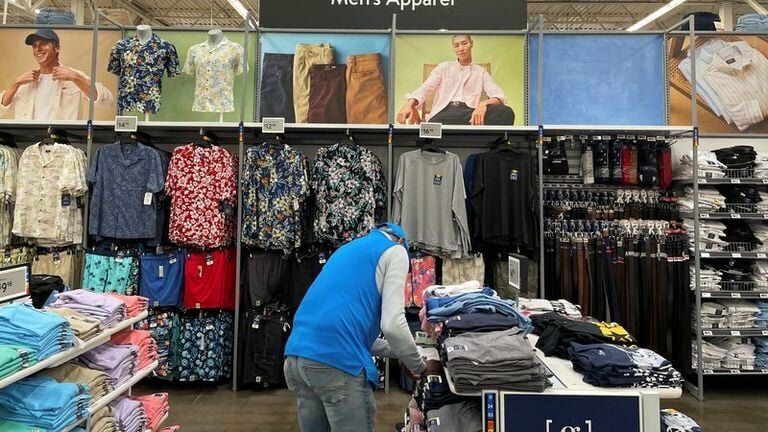
Industry Minister Adolfo Urso articulated the government's stance in a statement following a meeting with fashion industry representatives in Rome. He declared, "We will present a measure to tackle the ultra fast fashion phenomenon: an invasion of low-cost foreign products that damage our producers and put consumers at risk." This underscores the perceived threat posed by inexpensive, rapidly produced garments and accessories to Italy's high-value domestic manufacturing and consumer welfare.
To implement this intervention, the Italian government intends to adopt a scheme outlined in a European Union directive concerning Extended Producer Responsibility (EPR). Under this framework, manufacturers will be mandated to bear the costs associated with the end-of-life management of their products. This includes expenses for collecting, sorting, and recycling items once they are discarded, promoting a more circular economy and shifting the burden of waste management back to the producers.
Paradoxically, even as Italy moves to protect its industry from external pressures, some of its leading fashion brands are simultaneously under scrutiny for internal compliance issues. These brands face growing pressure to ensure that their subcontractors adhere to regulations concerning workers' rights, highlighting a dual challenge of external competition and internal ethical governance.
Recent events illustrate these domestic concerns, with Italian prosecutors alleging that luxury shoemaker Tod's failed to adequately oversee its suppliers in pursuit of higher profits. While Tod's maintains it complies with the law and is not currently under investigation, this incident is not isolated. Since the beginning of last year, five other luxury brands in Italy have been placed under judicial administration for similar alleged failures in overseeing their supply chains and ensuring proper worker conditions.