John Lewis Charts New Course for Growth with Store Openings and Brand Expansion

John Lewis, once grappling with department store closures and financial losses, is now firmly on a path to recovery. Peter Ruis, the Managing Director of John Lewis Partnership's department stores unit, has indicated that the company is exploring opportunities for new store openings and expanding its range of fashion brands. This marks a significant shift from recent challenges, underscoring renewed confidence within the retail giant.
Ruis confirmed in an interview that there are "definitely no plans to close" any existing stores. Instead, new openings are "definitely something we are looking at," with an interest in establishing a presence in areas of the UK where John Lewis has not previously operated. While these considerations are ongoing, there are no immediate plans for any new store openings at this precise moment. This outlook reflects a broader industry trend of physical stores demonstrating resilience, with Ruis noting how consumers have "gravitated back to the stores" following the Covid-19 pandemic, proving the enduring appeal of the physical retail experience.
The company remains cautious, however, mindful of past investments that did not yield expected returns. A notable example is the Birmingham Grand Central store, which opened in 2015 with a £35 million investment but was permanently closed post-pandemic after temporary lockdowns. John Lewis's most recent opening was in Cheltenham, Gloucestershire, back in 2018. Having shuttered 16 sites in total to regain profitability, the former growth leader is now operating in the black once more, bolstered by a leadership team with deep retail experience, addressing previous criticisms about a lack of direct store knowledge at the top.
John Lewis has committed a substantial £800 million by 2029 to enhance its existing store estate. This includes a significant revamp of its flagship Oxford Street, London store, completed last year. Crucially, the company decided to retain all six floors for retail space as sales rebounded, deviating from an earlier plan to convert a significant portion into offices. With the return of Peter Ruis, a former John Lewis fashion boss, last year to lead the turnaround, the retailer appears to be a business on the ascent.
Ruis's vision is to modernize the stores, moving beyond the "old stuffy department store" concept to create "something more experiential." This transformation, which he describes as bringing "radical relevance" to the store estate, is particularly evident in the womenswear department and across various new initiatives designed to enhance the customer journey.
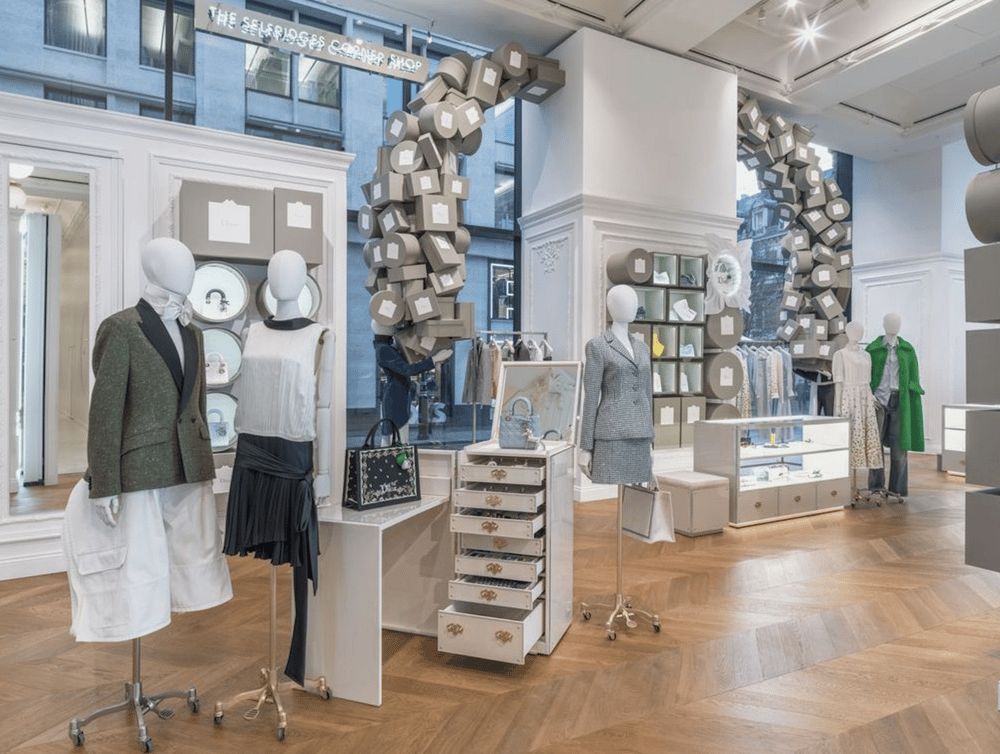
Key to this strategy is the introduction of new brands and collaborative partnerships. High-profile additions like Topshop have been instrumental, alongside collaborations with designers such as Labrum London and Rejina Pyo. The experiential drive is further supported by initiatives like refreshed Beauty Hall makeovers, a new Gifting Emporium at Bluewater, and a VIP members' lounge at the Oxford Street flagship, all contributing to a more dynamic and engaging shopping environment.
Looking ahead, Ruis anticipates "some big announcements coming" regarding new brands next year. He noted a significant shift in the company's appeal to brands, stating, "The brands are queueing up to come into us, whereas... a few years ago, we were probably trying to convince them. They see all of this change, all this excitement and suddenly the relevance of what we can offer them." This resurgence in brand interest is a strong indicator of John Lewis's successful transformation and renewed standing in the retail landscape.