Kering Faces Short Seller Barrage Ahead of New CEO's Vision
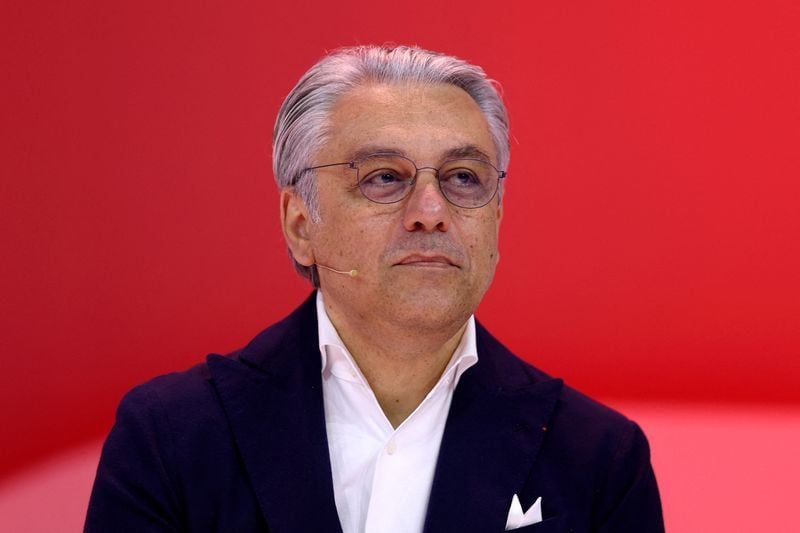
The French luxury giant Kering is facing unprecedented scrutiny from short sellers, who have placed their largest bets against the company in over a decade. This intensified pressure falls squarely on the shoulders of incoming CEO Luca de Meo, who officially assumes his role on Tuesday and is expected to articulate a clear vision for restoring confidence in the group's financial future. Kering has been grappling with significant challenges, including double-digit sales declines at its flagship brand Gucci and its second-largest label, Saint Laurent, alongside concerns over its relatively high levels of debt within an otherwise cash-rich luxury sector.
The appointment of Luca de Meo in June, following François-Henri Pinault's decision to step aside, initially sent a positive ripple through the market. De Meo, widely recognized for his successful restructuring of Renault, was welcomed by investors, leading to an immediate 33% boost in Kering’s shares. However, this optimism was quickly met with a surge in short-selling activity against Kering’s shares and debt in the subsequent days. While this pressure has somewhat abated, it remains persistently high, signaling deep-seated skepticism among a segment of investors.
Data from analytics firm Ortex reveals the extent of this bearish sentiment. Total short positions, a primary indicator of bets against a company's value, climbed to 10.7% of Kering's tradeable equity the day after de Meo's appointment announcement, marking the highest level recorded since at least 2014. By early September, these positions had decreased to approximately 8% of the free float. Despite this reduction, the figure remains substantially higher than Kering's major rivals; LVMH and Hermès both show short positions below 1%, considerably lower than the Euro Stoxx 600 average of 1.34%.
Concerns also extended to Kering's creditworthiness. The company’s five-year credit default swaps (CDS), financial instruments used to hedge against debt default risk, surged to over 120 basis points in June — their highest level since 2013. This is a stark contrast to their average of around 38 basis points over the past five years. As of September 5, Kering’s CDS traded near 90 basis points, roughly three times higher than comparable CDS levels for LVMH, according to LSEG data.
Three anonymous short sellers targeting Kering attributed these credit concerns primarily to the company’s balance sheet, which reported €10.5 billion ($12.29 billion) in net debt (excluding leases) at the end of 2024. Adding to the complexity, Artemis, the Pinault family’s holding company that controls Kering, also carries significant debt. However, these short sellers suggested that the spike in CDS pricing was largely driven by hedge fund speculation rather than genuine fears of an imminent default. Kering itself declined to comment on the matter, while Artemis stated in July that it faced no liquidity issues despite a reduction in dividends from Kering and other holdings.
To address these financial pressures, Kering announced in July that it had reduced its net debt by approximately €1 billion by the end of 2024. The luxury group also plans to close around 80 stores by the end of 2025 and intends to sell additional real estate assets in key global cities like Paris, Milan, and New York. One short seller indicated that these measures, combined with ongoing efforts to turn around Gucci—the group's primary profit driver, a process estimated to take up to 18 months—should help alleviate investor concerns.
De Meo's arrival has fueled speculation about a potential strategic overhaul similar to his "Renaulution" at Renault. This has been subtly hinted at by Kering's trademark applications filed with French regulators on July 29 for "Conkering" and "Reconkering." While a Kering spokesperson dismissed the filings as "part of our normal activities" and declined further comment on any link to de Meo's new role, the market remains keen to see how the new CEO will leverage his track record to navigate the challenging landscape and restore Kering's market confidence.