Kering's Beauty Sell Off Fuels L'Oreal's Luxury Expansion Amidst Gucci's Turnaround
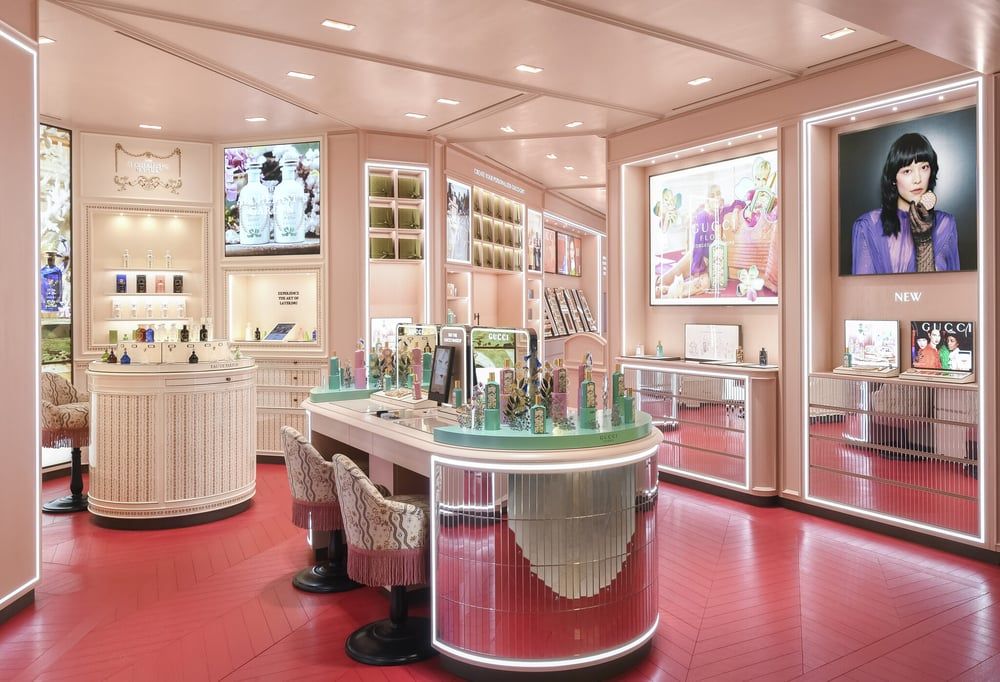
The saying "beauty is in the eye of the beholder" certainly applies to Kering SA's decision to divest its nascent beauty division, a move that L'Oreal SA is reportedly acquiring for €4 billion ($4.7 billion). This strategic transaction highlights distinct advantages for both parties involved, driven by immediate financial needs for one and long-term market expansion for the other.
For Luca de Meo, Kering’s newly appointed chief executive officer, the sale serves a crucial purpose: to fortify the company’s financial standing and provide much-needed flexibility. This breathing room is essential as he embarks on the challenging task of revitalizing Gucci, Kering's flagship brand and primary revenue driver, to restore it to its former glory.
De Meo, who took the helm last month, inherited a substantial net debt of €9.5 billion, a legacy of previous strategic acquisitions made by his predecessor, Chairman Francois-Henri Pinault, aimed at reducing Kering's reliance on Gucci. Expediting deleveraging is paramount, particularly as Gucci, which once contributed over 60% of Kering's revenue, has been enduring a three-year sales downturn. While new creative director Demna Gvasalia offered a glimpse of his vision in September, his full aesthetic will not be unveiled until spring, underscoring the significant work ahead. The turnaround efforts for Gucci could also potentially benefit from L'Oreal's substantial marketing budget, which will undoubtedly boost the Gucci brand among consumers of cosmetics and fragrances.
Kering had previously acquired luxury perfumer Creed for €3.5 billion in June 2023, valuing it at approximately 14 times sales. L'Oreal's €4 billion cash offer encompasses not only Creed but also exclusive beauty licenses for Kering's other esteemed brands, including Bottega Veneta and Balenciaga. Crucially, the deal also includes the rights to operate Gucci’s beauty line, currently managed by Coty Inc., once its agreement expires in 2028. (L'Oreal already manages the cosmetics and fragrances for Yves Saint Laurent.) This complex transaction might necessitate Kering taking a financial charge on Creed, a potential "kitchen sinking" move that De Meo could strategically use to clear any negative news early in his tenure.
While the luxury sector is a long-term game, this sale means Kering will not fully realize the potential fruits of its initial venture into beauty, even as competitors like LVMH Moet Hennessy Louis Vuitton SE and Hermes SCA further penetrate this lucrative market. However, given Kering’s pressing balance sheet constraints and the critical need to invest heavily in Gucci, De Meo has evidently prioritized immediate cash over future promise. Although Kering will receive royalties from L'Oreal for the use of its brands, the current deal structure, which could have potentially secured Kering a larger share in future upside, appears to be a missed opportunity.
From L'Oreal’s perspective, the acquisition price translates to roughly 11 times Jefferies’ estimated €350 million in Kering’s beauty sales for this year. While not as high as the multiple paid for Creed alone, it remains a considerable valuation. However, Jefferies analysts project that if the lucrative Gucci license is factored in, the combined beauty sales could reach approximately €800 million.
L'Oreal is expected to deploy its formidable product innovation and extensive marketing capabilities across the newly acquired Kering beauty portfolio. Creed, being highly profitable and positioned at the premium end of the fragrance market, is already performing well. The opportunity lies in elevating Gucci’s beauty range, which has historically been underwhelming. Should L'Oreal successfully address these shortcomings and leverage its vast global distribution network, achieving €1 billion in sales appears realistic. This would bring the deal's multiple down to a more reasonable four times sales, aligning it closely with the valuation of Aesop, another natural beauty brand L'Oreal acquired two years prior.
For L'Oreal, this acquisition might also present an opportunity cost. Last month, the company was named in the will of the late Giorgio Armani as a potential contender to acquire a 15% stake in Armani, with the possibility of a larger holding later. Analysts at HSBC Holdings Ltd. estimate that the Armani fragrance license, currently held by L'Oreal, generated approximately €1.8 billion in revenue last year, accounting for about 4% of L'Oreal's group sales. Although L'Oreal has stated its interest solely in Armani's beauty business, acquiring a stake in the fashion house could be a strategic move to secure the highly profitable Armani license beyond its current expiration in 2050.
Despite the Kering purchase, L'Oreal maintains a robust balance sheet. Jefferies forecasts that L'Oreal's net debt will remain at a manageable 0.5 times earnings before interest, depreciation, and tax next year. Nevertheless, absorbing both the Kering beauty portfolio and potentially a stake in Armani would represent a significant undertaking. L'Oreal has already been active in acquisitions over the past two years, adding skincare brand Medik8, haircare line Color Wow, Aesop, and a 10% stake in injectable-filler maker Galderma Group AG, suggesting that managing multiple integrations simultaneously could present a challenge.
Ultimately, while both companies are making certain concessions, this strategic deal is poised to deliver substantial value and benefits to each party involved.