Kipling's Monkey Charm Leads a Global Comeback
Kipling, the renowned leather goods brand, is experiencing a significant resurgence, evidenced by the reappearance of its iconic little monkeys on metros and in school playgrounds. After navigating the challenges of the coronavirus crisis, which saw lower volumes but maintained operational continuity, the brand strategically capitalized on the reopening of schools and the revival of tourism. This focused effort has allowed Kipling to regain substantial momentum since 2023, solidifying its global footprint with a presence in 80 countries, boasting over 450 boutiques and 7,500 points of sale.
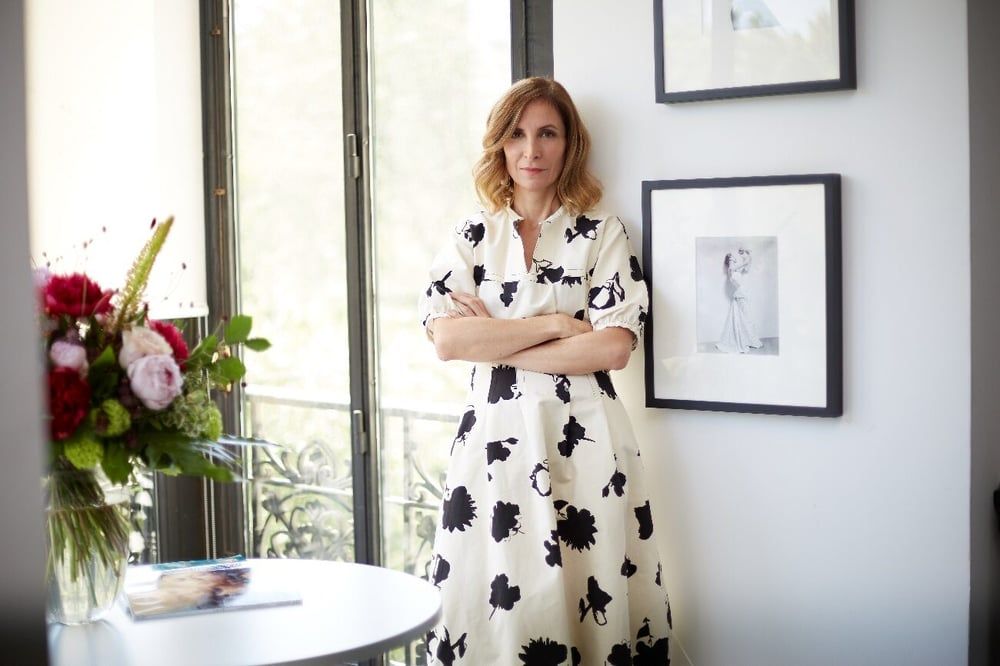
The brand officially marked its powerful return in 2024 with a global campaign titled "Guess who’s back," placing its signature monkey mascots at the heart of the initiative. This campaign cleverly centered on the keyring, pre-empting the widespread "Labubu" craze – a popular, cute yet edgy mascot often attached to bags and keys – by several months. Domitille Parent, Vice-President of Kipling, humorously noted the fortunate timing, stating, "It’s a coincidence, but we took advantage of it," highlighting the brand’s ability to align with emerging trends.
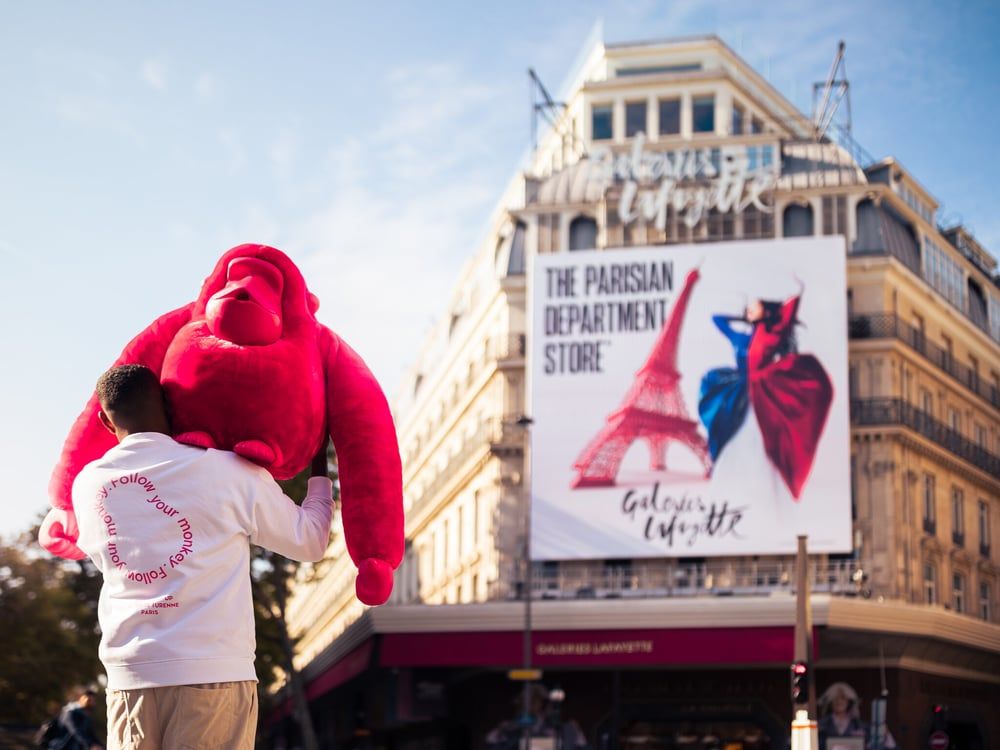
Building on this successful foundation, Kipling is set to launch a second international campaign in September 2025, dubbed "Follow your monkey" (or "suis ta folie" in French). This campaign will further spotlight its beloved monkeys and diverse product lines. To celebrate, Kipling will create a dazzling pink pop-up store in Paris’s Marais district, in partnership with Wild Buzz Agency, followed by a prominent presence on the sixth floor of Galeries Lafayette. Beyond offering discount vouchers and complimentary keyrings, this campaign strategically targets women aged 35 to 40, tapping into a powerful sense of nostalgia associated with the brand’s earlier popularity.
The distinctive monkey charm, initially considered by the designer to be a removable accessory, has ironically become an indispensable part of Kipling’s identity, even inspiring the brand’s name. Today, these monkeys are integral to Kipling’s DNA, often appearing in collectible limited editions. While honoring this iconic symbol, Kipling also continues to innovate its core products. The brand’s bags across all ranges are crafted from lightweight, crinkled nylon, a material that, according to Domitille Parent, significantly differentiates them from competitors in a handbag market still largely dominated by leather offerings.
Kipling's journey to global prominence began after its acquisition by VF Corp in 2004, a group that also owns Eastpak. Following its initial immense popularity in Asia (China, Japan) during the 1990s, the brand shifted its development focus towards building a robust global presence, investing significantly in numerous boutiques worldwide. While Kipling operates directly in the French market, it maintains a broad international reach through collaborations with 37 distributors. The brand enjoys strong popularity across North and Latin America, Europe, the Middle East, and East Asia, with children’s products being particularly sought after in the Gulf countries and Latin America, a segment that now accounts for 25% of the brand’s turnover, reflecting a customer base that purchases for both themselves and their children.
The manufacturing backbone of Kipling primarily lies in Vietnam and Indonesia, with materials sourced from various Asian regions, including Taiwan. Crucially, product design and marketing strategies are meticulously crafted in Antwerp, Belgium – the brand’s birthplace – by a dedicated team of 40 professionals. Financially, Kipling reported an impressive €250 million in revenue for 2024 and has demonstrated consistent growth, averaging 6% annually in the post-Covid period, underscoring its successful revival and strong market position.