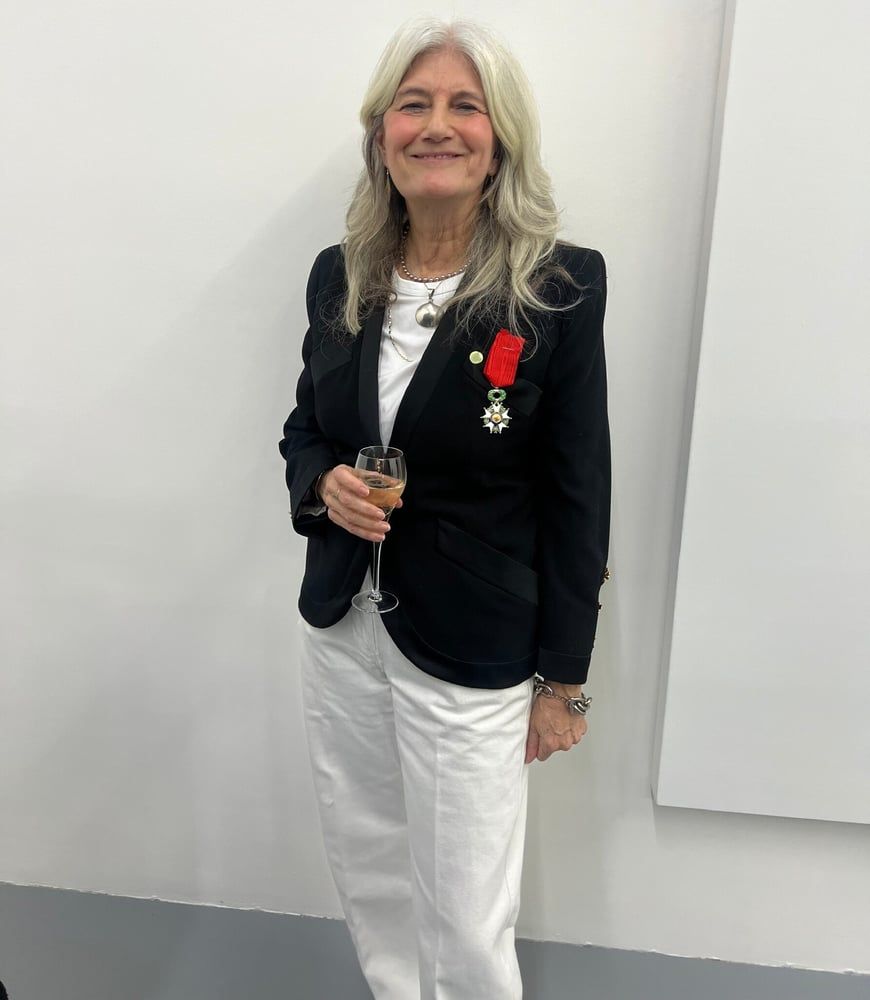
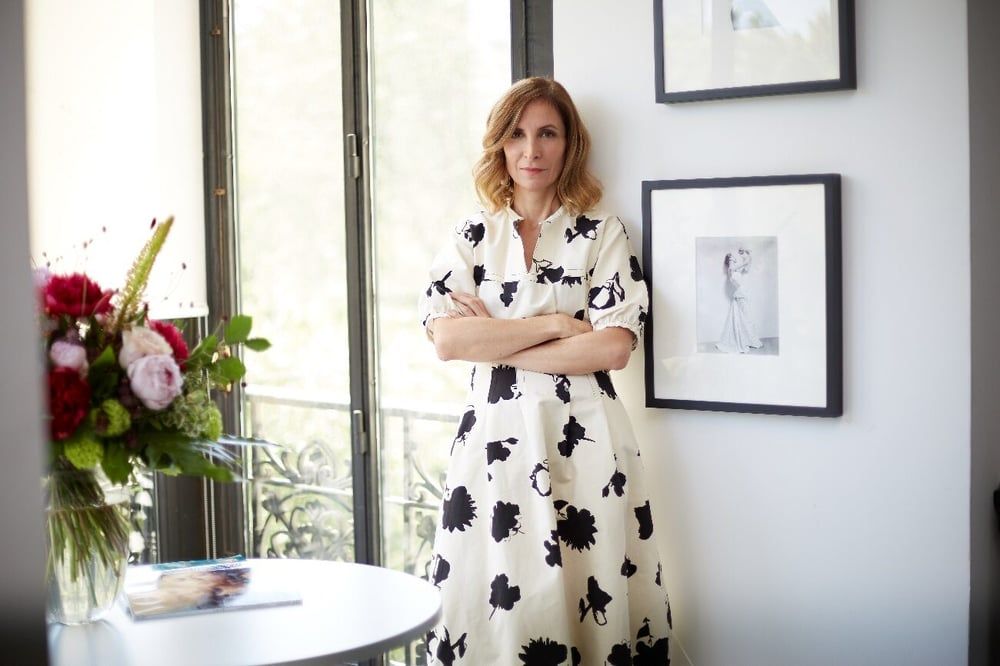
Álké Ball launches pan-African fund to establish African fashion as a global authority.
Africa is here to be recognized, not discovered. This powerful assertion by Lulu Shabell, founder and CEO of the Lulubell Group, serves as the rallying cry for Álké Ball, a new institution dedicated to securing global recognition for African fashion. Grounded in art, heritage, knowledge, and enterprise, the Álké project seeks to transition African fashion from sporadic visibility to an intentional, structured, unified, and globally influential authority. Its name is derived from "Álkébulan," which is considered one of the oldest known names for the African continent.
Drawing on extensive experience across more than 20 African countries, Lulu Shabell has dedicated her career to supporting designers, expanding the African fashion industry, and building international connections through the Lulubell Group. Now, under her leadership at Álké Ball, a pan-African collective has formed, bringing together designers, archivists, curators, researchers, and creative strategists. Together, they advocate for a shared thesis: long before modern luxury, silk, or cotton, Africa existed—a place where pattern functioned as a language, textiles were a code, and clothing represented a deep philosophy. In Africa, fashion was never merely decorative; it was, and remains, a testament to lineage, mastery, and thought.
Central to Álké's mission is the establishment of the Álké Fund, a permanent, continent-wide financial structure designed to guarantee the long-term stability, independence, and global competitiveness of Africa's creative industries. The Álké Fund aims to invest strategically in four interconnected pillars that support Africa's creative sovereignty, addressing critical needs across the continent's cultural and commercial landscapes.
The first pillar focuses on education and skills development, creating pathways for the next generation of creators, artisans, and entrepreneurs. By actively facilitating the transfer of intergenerational knowledge, Álké ensures that vital cultural heritage is preserved rather than lost. This mission aligns with the goals of associations like 54 Faces, co-led by Judy Sanderson. The second pillar involves strengthening manufacturing and production capacity, focusing on local value chains and accelerating innovation across both artisanal and industrial systems.
The third pillar emphasizes archives, research, and the preservation of craft expertise. This involves safeguarding African textile histories, indigenous knowledge systems, and traditional craft techniques through meticulous documentation, conservation efforts, and active use in contemporary design. The final pillar aims to develop African brands by promoting sustainable commercial growth, operational stability, and long-term international expansion, ensuring African brands can compete effectively on the global stage.
According to Lulu Shabell and the pan-African collective, the fund is more than just a financial tool; it represents a concrete solution to decades of underinvestment in Africa's creative and cultural industries. The inaugural edition of the initiative will take place in Cape Town, with subsequent editions rotating among Africa's diverse cultural capitals, solidifying its continental reach and impact.