L'Oréal Strikes Massive €4 Billion Deal for Kering's Beauty Business
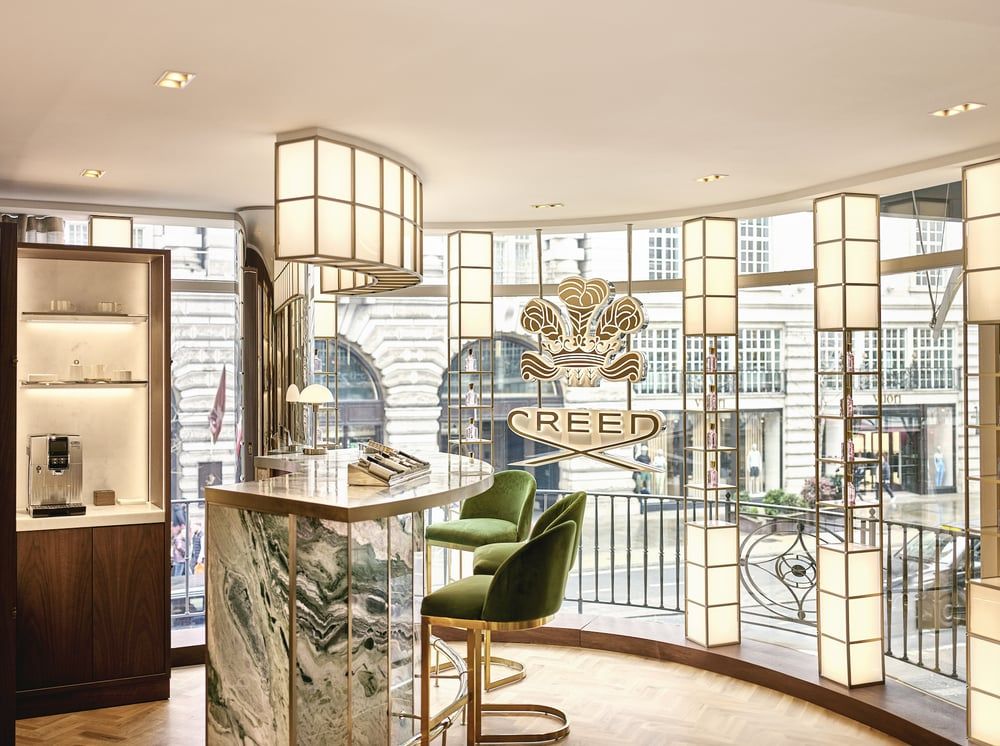
L’Oréal SA has sealed its largest recent acquisition, a monumental €4 billion ($4.7 billion) all-cash purchase of Kering SA’s beauty business. This strategic move underscores the French cosmetics giant's aggressive ambition to significantly expand its formidable portfolio of luxury brands. The deal highlights L’Oréal’s readiness to seize valuable assets when they become available at what it perceives as attractive valuations, evidenced by Creed’s reported lower valuation in this transaction compared to the €3.5 billion Kering paid for it just last year.
The acquisition is structured as a comprehensive beauty and wellness partnership between L’Oréal and Kering. Beyond securing the prestigious Creed fragrance house, L’Oréal will also gain extensive 50-year licenses to develop and market beauty offerings for several of Kering’s esteemed fashion brands, including Bottega Veneta and Balenciaga. Crucially, the agreement paves the way for L’Oréal to eventually take over the Gucci beauty license, which is anticipated to become available by 2028 at the latest, upon the expiration of its current partnership with Coty Inc. Berenberg analysts, led by Nick Anderson, estimate Creed's valuation in this sale at €2.5 billion, implying a substantial €1 billion write-down on Kering’s 2023 purchase price, while valuing the forthcoming Gucci license at a significant €1.5 billion.
The genesis of this landmark deal dates back within the past year when L’Oréal Chairman Jean-Paul Agon initiated discussions with Kering’s then-CEO, Francois-Henri Pinault. While Pinault remains Chairman of Kering, he was succeeded as CEO by Luca de Meo last month. These crucial talks, aimed at forging a beauty alliance, reportedly gained considerable momentum and accelerated significantly in September, culminating in the recent announcement.
For Kering, the decision to offload its beauty business is a strategic response to recent challenges, including slumping sales at its flagship brand, Gucci, and an escalating debt load accumulated through a series of pricey acquisitions, such as Creed itself and premium property investments. The sale is widely viewed as a positive step, not only enhancing Kering’s balance sheet but also allowing the luxury conglomerate to sharpen its focus on its core fashion brands. Kering’s new CEO, Luca de Meo, had recently vowed to reduce both debt and operational costs. Investors welcomed the news, sending Kering’s shares up by as much as 5.5% in Paris, as analysts from Banco Santander SA estimate the sale will reduce Kering’s leverage from 2.3 times earnings before interest, tax, depreciation, and amortization at the end of last year to approximately 1.5 times.
Meanwhile, L’Oréal has been on an aggressive acquisition spree, consistently building its high-end portfolio, which is overseen by Cyril Chapuy. Recent notable purchases include Aēsop in 2023 for around $2.5 billion, South Korean brand Dr. G, a majority stake in Medik8, and minority stakes in Omani high-end fragrance maker Amouage, French fashion brand Jacquemus, and Galderma Group AG, a specialist in injectable skin fillers. Beyond the Kering deal, L’Oréal is also closely monitoring the resolution surrounding the sale of an initial 15% stake in Giorgio Armani SpA following the founder’s recent passing. L’Oréal, which holds a license with Armani for fragrance, makeup, and skincare products until 2050, has been named as one of the preferred buyers in Giorgio Armani’s will, alongside EssilorLuxottica SA and LVMH Moët Hennessy Louis Vuitton SE.
As part of their ongoing collaboration, L’Oréal and Kering have also announced intentions to explore further business opportunities across the realms of luxury, wellness, and longevity. On the advisory front, L’Oréal received counsel from Bank of America, Rothschild, and PVC PH. Villin Conseil, while Kering was advised by Centerview and Evercore. Representatives for L'Oréal and Kering did not immediately respond to requests for comment regarding the transaction, and a Coty representative declined to comment.