Louvre staff strike closes museum amid overcrowding and security crisis following recent heist.
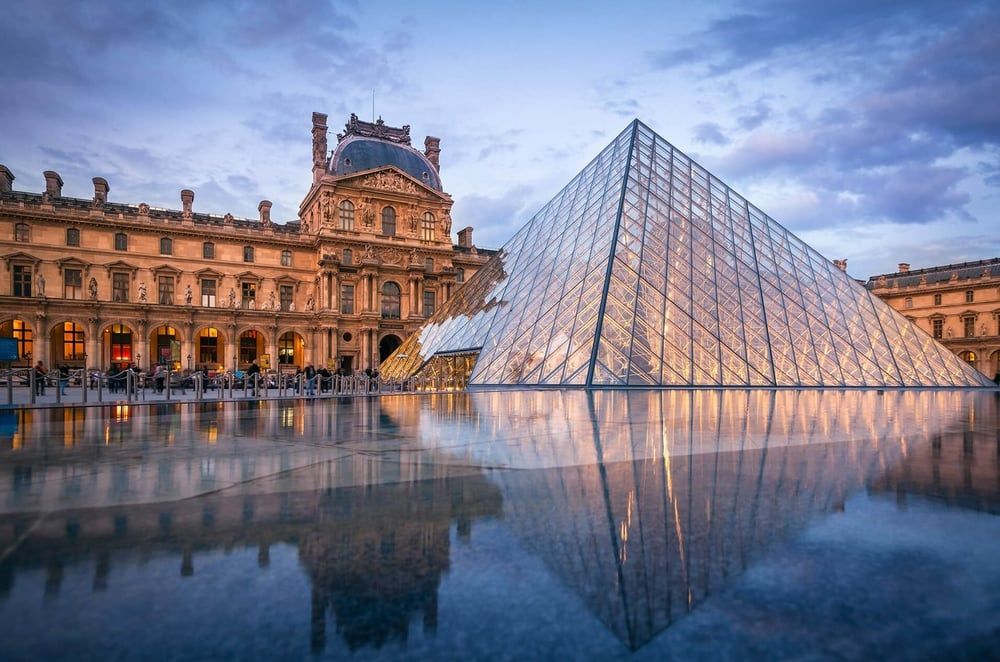
The Louvre Museum closed its doors to thousands of disappointed visitors on Monday as staff launched a strike to protest working conditions at the Paris landmark. This action comes nearly two months after the museum was victim of an embarrassing daylight heist that saw crown jewels worth $102 million stolen. Workers are demanding extra staff and measures to tackle overcrowding, adding to the woes of the world's most visited museum just as France prepares for the Christmas holidays. Around 400 employees voted unanimously to continue their strike at a general meeting, according to the CGT and CFDT unions.
The closure resulted in disappointment for tourists who had traveled to Paris specifically to visit the institution. "I'm very disappointed, because the Louvre was the main reason for our visit in Paris, because we wanted to see the 'Mona Lisa'," said 37-year-old Minsoo Kim, who journeyed from Seoul with his wife for their honeymoon. Natalia Brown, a 28-year-old tourist from London, echoed the sentiment of misfortune, stating, "At the same time, I understand why they're doing it, it's just unfortunate timing for us."
The strike garnered widespread support beyond front-line personnel. Christian Galani, from the hard-left CGT union, stated that the strike would have broad support across the museum's 2,200-strong workforce. He noted that while normally only front-of-house and security staff participate, this time "there are scientists, documentarians, collections managers, even curators and colleagues in the workshops telling us they plan to go on strike."
The grievances of the staff are varied but highlight deep institutional discontent. Reception and security staff complain of being understaffed and required to manage vast flows of people, as the home of Leonardo da Vinci's "Mona Lisa" welcomes several million people beyond its planned capacity each year. The Louvre has become a symbol of so-called "over-tourism," with 30,000 daily visitors facing what unions call an "obstacle course" of hazards, long queues, and sub-standard toilets and catering.
Concerns also extend to the physical state of the former royal palace. Documentarians and curators are increasingly horrified by the state of disrepair, with a recent water leak and the closure of a gallery due to structural problems underlining the difficulties. Chief Louvre architect Francois Chatillon admitted in front of lawmakers last month that "The building is not in a good state." Under-fire Louvre boss Laurence des Cars, who faces persistent calls to resign, previously warned the government in January about leaks, overheating, and the declining visitor experience. In response, French President Emmanuel Macron announced a massive renovation plan expected to cost 700 million to 800 million euros.
Adding to the pressure on management, questions continue to swirl over whether the recent high-profile robbery could have been avoided. The heist saw two intruders use a portable extendable ladder to access the gallery containing the crown jewels, cutting through a glass door with angle grinders in front of startled visitors before stealing eight priceless items. Investigations revealed that only one security camera was working outside when they struck, that guards in the control room lacked enough screens to watch the coverage in real time, and that police were initially misdirected.
Security vulnerabilities at the museum were highlighted in several studies seen by management over the last decade, including a 2019 audit by experts at the jewellery company Van Cleef & Arpels. Their findings stressed that the riverside balcony targeted by the thieves was a weak point and could be easily reached with an extendable ladder—exactly what transpired in the heist. This pre-existing knowledge has heightened scrutiny of the museum's leadership and security protocols.