Lululemon Bets Big on Athletes to Revive Sales and Expand Reach
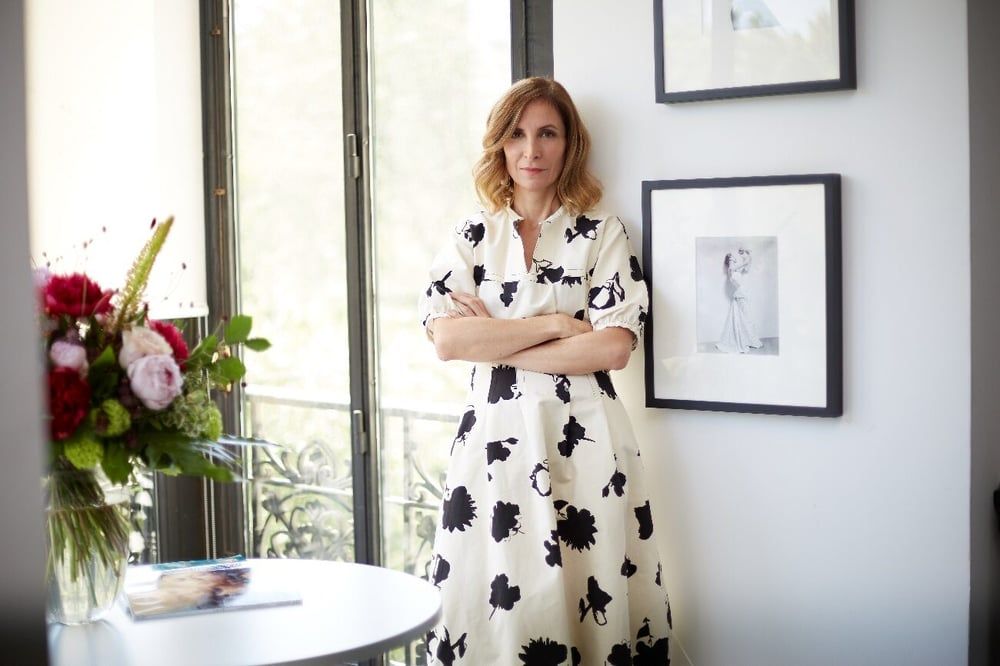
Lululemon Athletica Inc. is implementing a significant shift in its marketing strategy, moving to embrace a high-profile roster of athletes. This pivot is designed to address a recent sales slump and broaden the yogawear brand's appeal beyond its traditional yoga-centric roots. The brand, which previously shied away from extensive traditional sports advertising despite surpassing €10 billion in sales, is now making its presence felt on major athletic stages. Examples include American tennis star Frances Tiafoe wearing Lululemon apparel at the US Open, and golfer Max Homa sporting the brand's gear on the PGA Tour. Demonstrating even wider ambitions, Lululemon has also secured seven-time Formula 1 champion Lewis Hamilton as a brand ambassador. According to Nikki Neuburger, Lululemon’s chief marketing officer, the company has had "a very big year of bringing on additional athletes, and we are now in real development."
This strategic realignment comes as Lululemon seeks solutions to recent financial challenges, with its stock plummeting by approximately 50% this year, effectively erasing the gains made during the pandemic when demand for activewear soared. Executives have signaled concerns over reduced consumer spending in the US, while CEO Calvin McDonald continues to pursue an ambitious goal of achieving €12.5 billion in revenue by the end of 2026—a target analysts currently project the company will fall short of by about €500 million. Investors are keenly awaiting more details on McDonald’s revival plan, set to be unveiled on September 4 when the company reports its earnings. A disappointing sales and profit forecast in the last quarter had already led to a sharp drop in its share value.
For over a decade, Lululemon experienced what seemed like unstoppable growth, with its signature black yoga pants becoming a ubiquitous wardrobe staple across various age groups. The brand further expanded its reach by entering the men’s sportswear market and successfully attracting teen consumers. However, this period of explosive growth, which saw revenue increase by 140% over four years, has now decelerated. The market has also become more competitive, with younger rivals like Alo Yoga and Vuori actively capturing market share. Simeon Siegel, an analyst at BMO Capital Markets, noted that "Lululemon is a strong brand, but it’s overstretched. It’s ubiquitous."
Lululemon originally cultivated its brand identity through an unconventional network that relied on yoga instructors and local influencers, largely eschewing big-name athlete endorsements. Its marketing strategy prioritized wellness and lifestyle over competitive achievement. While this foundational yoga network remains integral to the brand's identity, its evolution into new categories such as golf and tennis—offering specialized products like racket bags, polos, and tailored trousers—necessitated a shift towards more recognizable public figures. This led to partnerships with tennis stars Leylah Fernandez and Frances Tiafoe, alongside golfers Min Woo Lee and Max Homa.
In contrast to industry giants like Nike Inc. and Adidas AG, which invest heavily in hundreds of athlete endorsement deals across a multitude of sports, Lululemon is adopting a more selective and curated approach. Nikki Neuburger explained, "We’re not paying as much as our rivals. If you talk to most of the folks on the roster, they could be one of many somewhere else or they can actually be in it with Lululemon." However, this strategy is not without its risks, as athlete performance can be unpredictable; for instance, Tiafoe exited the US Open earlier than anticipated, and Homa has recorded only one top-five PGA Tour finish this year.
A significant area where Lululemon's rivals hold a considerable lead is the sneaker market—a crucial segment for any brand aiming to compete at scale. Lululemon has introduced several sneaker styles but has not disclosed specific footwear sales figures. CEO McDonald indicated in June that the company is still in a "test and learn" phase within the shoe category. It remains uncertain whether Lululemon will eventually pursue high-profile sneaker deals akin to Nike's partnership with Kevin Durant or Adidas's collaboration with Anthony Edwards. The brand has, however, made inroads into basketball, launching a co-branded apparel line with Jordan Clarkson, who recently joined the New York Knicks.
Beyond individual athlete endorsements, Lululemon is also actively expanding into other competitive categories. The brand serves as the official outfitter for the Canadian Olympic team and has developed a fan apparel collection for the National Hockey League. More recently, Lululemon has signed athletes in soccer and running, further diversifying its athletic portfolio. Despite these moves, Neuburger maintains that Lululemon’s overarching brand philosophy remains distinct from its larger competitors. "They’re very focused on winning, literally," she said, referencing Nike’s recent ad campaign. "Ours is more about the journey as opposed to the destination."