Luxury Fashion's New Bang: Designers Shake Up Brands Amidst Sales Slump
In 1997, a significant shift in the luxury fashion world began, often dubbed the "Big Bang." Nan Kempner, a long-standing Dior couture client, famously observed French first lady Bernadette Chirac and former first lady Claude Pompidou looking as though they’d been “hit in the face with a cold dead fish” while viewing John Galliano’s audacious debut collection for Dior. This era was characterized by business magnates, notably LVMH’s Bernard Arnault, recognizing the immense global financial potential of luxury brands. They began acquiring heritage fashion and leather-goods companies, subsequently installing a new wave of young designers tasked with reinvigorating and rejuvenating creative output. This movement kicked off with Tom Ford at Gucci in 1995, whose sexy velvet hipsters and jewel-tone silk blouses propelled Gucci sales up 90% in two years. By 1997, almost a dozen designers, including Galliano at Dior, Alexander McQueen at Givenchy, Marc Jacobs at Louis Vuitton, Stella McCartney at Chloé, and Nicolas Ghesquière at Balenciaga, had made their mark. These newly christened "creative directors" profoundly transformed how fashion was marketed and sold globally through their theatrical shows and radical designs.
Almost three decades later, the luxury fashion industry is experiencing a strikingly similar period of creative renaissance, or perhaps disorienting upheaval, depending on perspective. This past fall, during the Spring-Summer 2026 women’s wear shows in Milan and Paris, an unprecedented number of designers—more than ten, including Jonathan Anderson at Christian Dior, Demna at Gucci, Pierpaolo Piccioli at Balenciaga, and Matthieu Blazy at Chanel—unveiled their inaugural collections for their new houses. Luxury retail consultant Robert Burke noted, "So many in one season—that has never happened before." Additionally, several designers, such as Sarah Burton at Givenchy and Haider Ackermann at Tom Ford, presented their sophomore collections. A clear message emerged as houses also introduced new Gen Z brand ambassadors like Mikey Madison for Dior and Ayo Edebiri for Chanel: fashion is entering a new phase across generational, creative, and, executives hope, financial fronts.
This generational and creative shift is critically timed, as the luxury sector has been on a volatile journey. Post-COVID-19, luxury sales initially boomed, exemplified by Hermès’ Guangzhou flagship achieving a record $2.7 million on its 2020 reopening day. However, this was followed by "greedflation," where brands like Hermès and Chanel dramatically increased prices, believing there was no limit to what consumers would pay. HSBC Holdings Plc reported that average personal luxury goods prices in Europe have risen over 50% since 2019. This strategy led to stagnating interest and stalled sales. Chinese consumers, accounting for approximately a third of luxury purchases, became disillusioned, with Bain & Co. reporting an 18-20% revenue decline in mainland China for 2024 due to "low consumer confidence." In the West, middle-market shoppers, impacted by inflation and job losses, turned to more "accessible luxury" brands like Polène. Even high-net-worth individuals, traditionally responsible for 30% of luxury purchases, couldn't offset the decline. Overall, luxury fashion sales fell 2% worldwide in 2024, and Chanel’s operating profits plummeted 30% last year. LVMH’s fashion and leather-goods division, half of its total revenue, saw an 8% sales dip in the first six months of this year, followed by an additional 2% loss. Bernstein predicts a 10% decline for Dior in 2025. Luca Solca, a luxury business analyst at Bernstein, explains, "After Covid, luxury consumers felt satiated for a while. But now you need to give them something new to get them excited and to part with their money again. That’s why you need innovation."
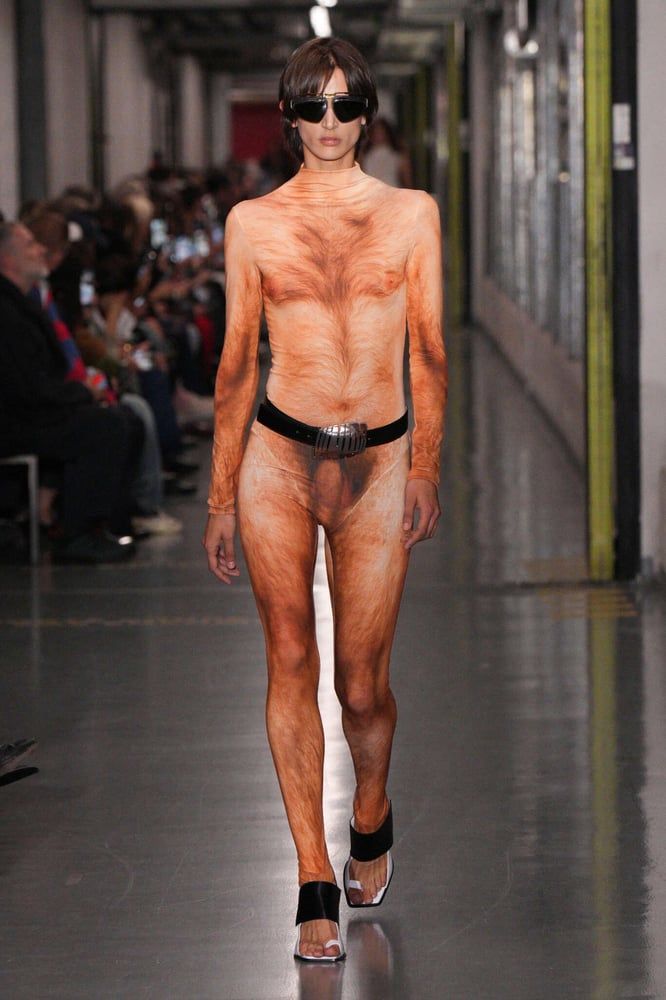
Hence, the recent wave of designer shake-ups and new creative directions. Some initial offerings were instant successes; shows for Chanel, Dior, Balenciaga, and Loewe garnered standing ovations, and Anderson’s first Dior collections attracted admiration from younger fans. Others faced criticism, such as Versace designer Dario Vitale's ill-fitting streetwear likened to "overpriced Benetton," and Duran Lantink's radical, "graceless" designs for Jean Paul Gaultier, which sparked calls for his ousting on social media. Nevertheless, these designers fulfilled their primary mandate: to generate buzz. Launchmetrics reported that Paris Fashion Week generated $1.1 billion in media impact value, rivaling the Cannes Film Festival and cementing its status as a key cultural event. However, Alison Bringé, Launchmetrics’ CMO, raises crucial questions: "But what do these designers mean for brand perception? And will they be able to convert it into sales?" Company executives are certainly banking on it.
Some industry observers speculate whether the rapid succession of designer changes also serves a secondary purpose: to diminish the costly "star designer" role that emerged with figures like Galliano, McQueen, and Ford. The theory suggests this strategy would elevate the brand name itself above any single talent, positioning designers as "guns for hire." This notion gained traction when LVMH announced the move of former Dior creative director Maria Grazia Chiuri to Fendi, a sister ready-to-wear brand, a transfer not widely perceived as a promotion. While this managerial approach appears to be working, with consultant Robert Burke noting, "The consumer loves the label, rather than the designers," consumer loyalty remains fickle. Luca Solca emphasizes, "Today fashion and luxury consumers aren’t very loyal at all. They buy whatever is exciting." While very important clients (VICs) receive special treatment that fosters some loyalty, the majority of consumers are driven by "newness" and the desire for shareable social media content. Rickie De Sole, Nordstrom’s VP and fashion director, asserts, "What is most important is newness, irrespective of designer changes... Good product will always triumph."
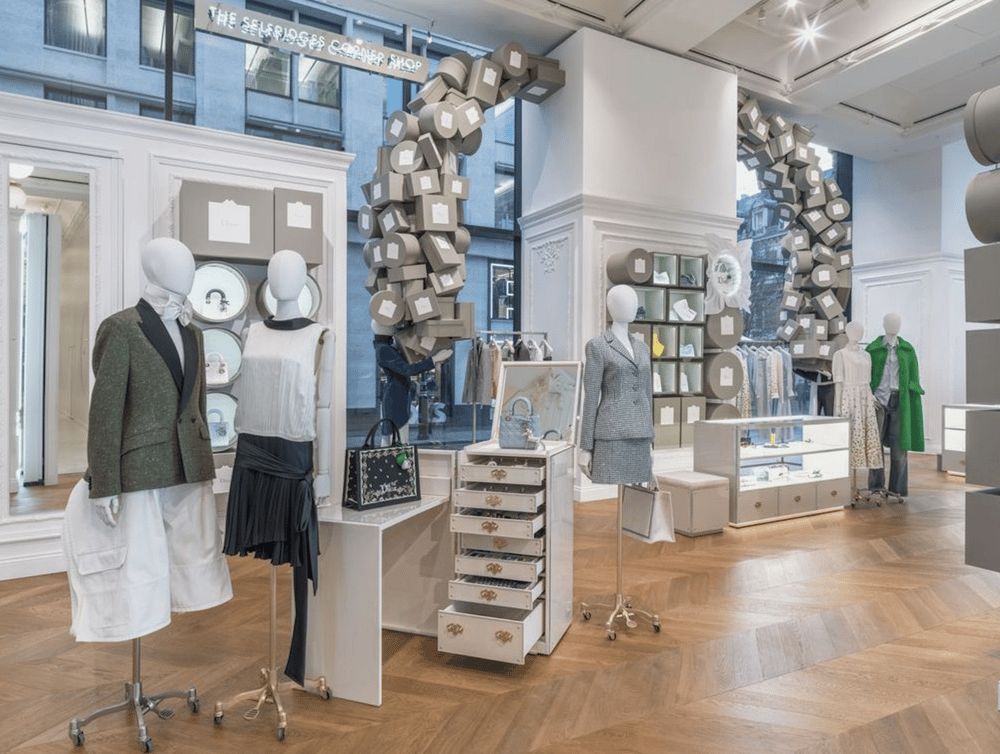
This emphasis on product is particularly salient in Asia, which accounts for 40% of global luxury sales. On Chinese social media and e-commerce platform Little Red Book, a distinct luxury hierarchy exists: Hermès, then Chanel, Dior, and Louis Vuitton, with followers deeply rooted in their preferred brands. Post-fall shows, consumer perception has notably shifted, according to Hong Kong luxury brand consultant Jasmin Zhu, who notes, "Chanel is cooler, and Dior is becoming more intelligent." Zhu predicts that "Dior will sell a lot of leather-goods accessories in China," with handbags likely driving the business across the luxury market. A prime example is Anderson's whimsical reinterpretation of Dior's iconic 1990s "it" bag, the Lady Dior, named after Princess Diana—Galliano’s first Dior client. After Diana was photographed with the bag in 1995, Dior sold 100,000 units at $1,000 each, boosting its 1996 annual revenue by 20%. With 90s nostalgia currently prevalent in fashion and culture, a renewed demand for Anderson's Lady Dior—adorned with bows and miniature daisies, priced from $3,900 to $10,000—could very well lift the brand from its current financial challenges. Indeed, a true "Big Bang" moment once again.